RV Hail Damage Repair Cost: Roof, Vents, Glass and Insurance
RV hail repair runs about $1,000 to $3,000 for cosmetic damage, $3,000 to $8,000 across several parts, and past $10,000 once the roof needs replacing.
Typical cost
$1,000–$22,000
Cosmetic hail damage with no leaks runs about $1,000 to $3,000; damage across several components $3,000 to $8,000; a roof replacement with structural work passes $10,000.
Costs verified October 2026
RV hail damage repair costs about $1,000 to $3,000 when the damage is cosmetic and nothing leaks, $3,000 to $8,000 when the storm hit several components at once, and more than $10,000 once the roof needs replacing, according to the estimates TJ’s RV publishes. Where a given rig lands depends on two things: what the hail punctured rather than dented, and whether rain got in before the holes were covered. Comprehensive RV insurance usually pays, minus the deductible, but on a motorhome that coverage is optional.
RV hail damage repair cost by what got hit
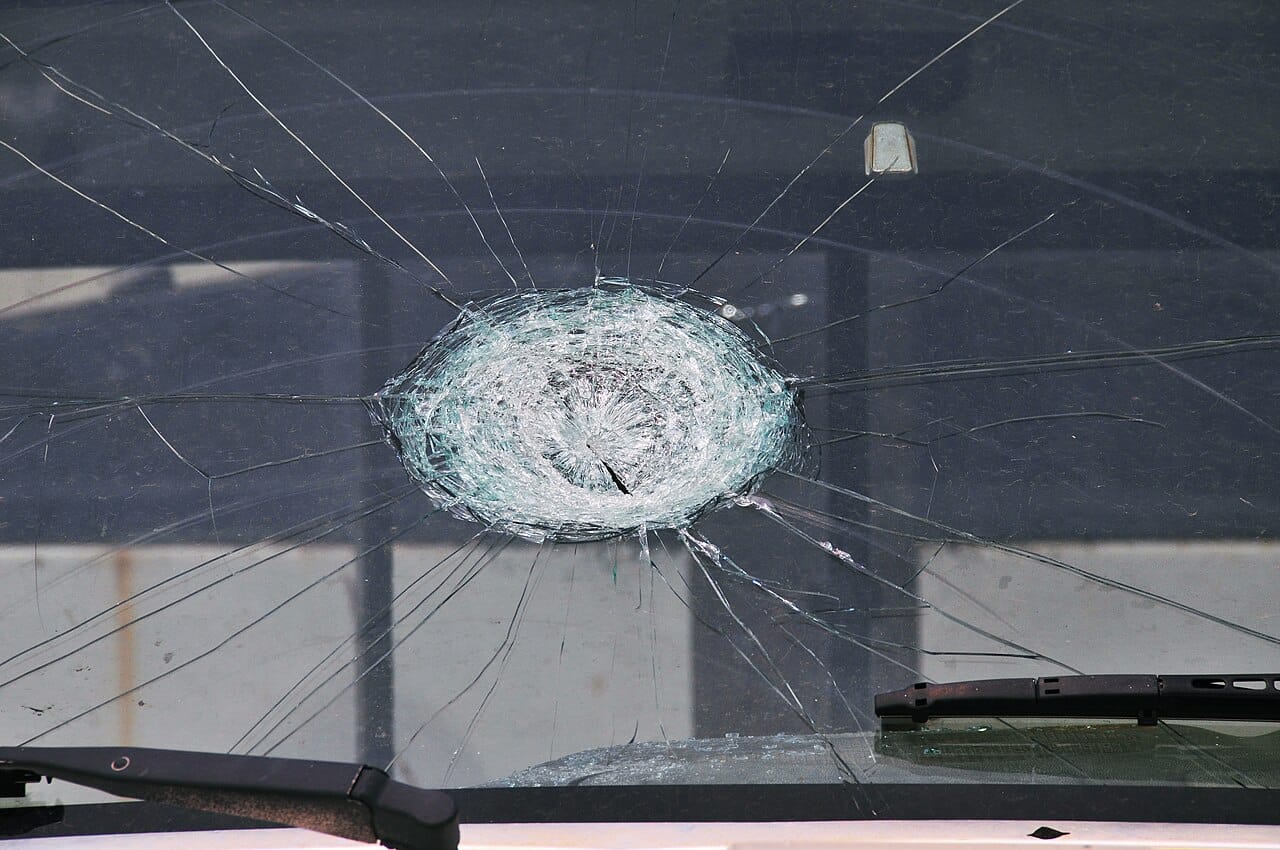
Hail rarely breaks one thing. It cracks the vent lids, punches the membrane, stars a skylight and shreds the awning in the same five minutes, so the bill is the sum of the parts. These are the per-part figures from this site’s own cost guides:
| What got hit | Typical repair | Guide |
|---|---|---|
| Skylight dome | $25–$320 DIY, $300–$650 installed | Skylight replacement |
| Side window | $80–$300 DIY, $350–$900 installed | Window replacement |
| Awning fabric | $400–$900 installed; full electric assembly to $3,000 | Awning replacement |
| Roof punctures, patched | $300–$1,200 per small leak patch | Roof repair |
| EPDM roof membrane, replaced | $3,000–$7,000 | Roof replacement |
| Fiberglass roof, replaced | $9,000–$15,000 | Roof replacement |
| Motorhome windshield | $600–$1,600 Class C, $1,200–$5,000 Class A | Windshield replacement |
| Water that got inside | $800–$3,500 for a slide floor; far more for walls and decking | Water damage repair |
Add up the rows that apply and the TJ’s RV tiers make sense. A storm that cracks two skylights and the awning fabric lands in the $1,000 to $3,000 band. Add a punctured membrane that has to be replaced and the job crosses into five figures.

Cosmetic or structural: what to check after the storm
The line that matters is whether the hail opened the roof or only marked it. A dented aluminum sidewall is ugly but sealed. A punctured rubber membrane, a cracked fiberglass roof or a broken vent lid is an open door for the next rain, and water is what turns a hail claim into a rebuild.
Check these the day of the storm, once it’s safe to get on the roof:
- Vent lids and skylight domes. Thin plastic breaks first. Every crack is a leak.
- The membrane itself. On EPDM or TPO, look for punctures and for soft, bruised spots that tear when pressed. On fiberglass, look for star cracks.
- AC shrouds and the antenna. Cracked shrouds are cosmetic until water reaches the unit or the roof opening below it.
- Inside, overhead. Fresh stains on the ceiling around vents and skylights mean water is already in.
Photograph everything before you cover or fix anything, then tarp or tape every opening. An insurer reads a roof that leaked for a week after the storm very differently from one that was covered the same day.
How hail size changes the bill
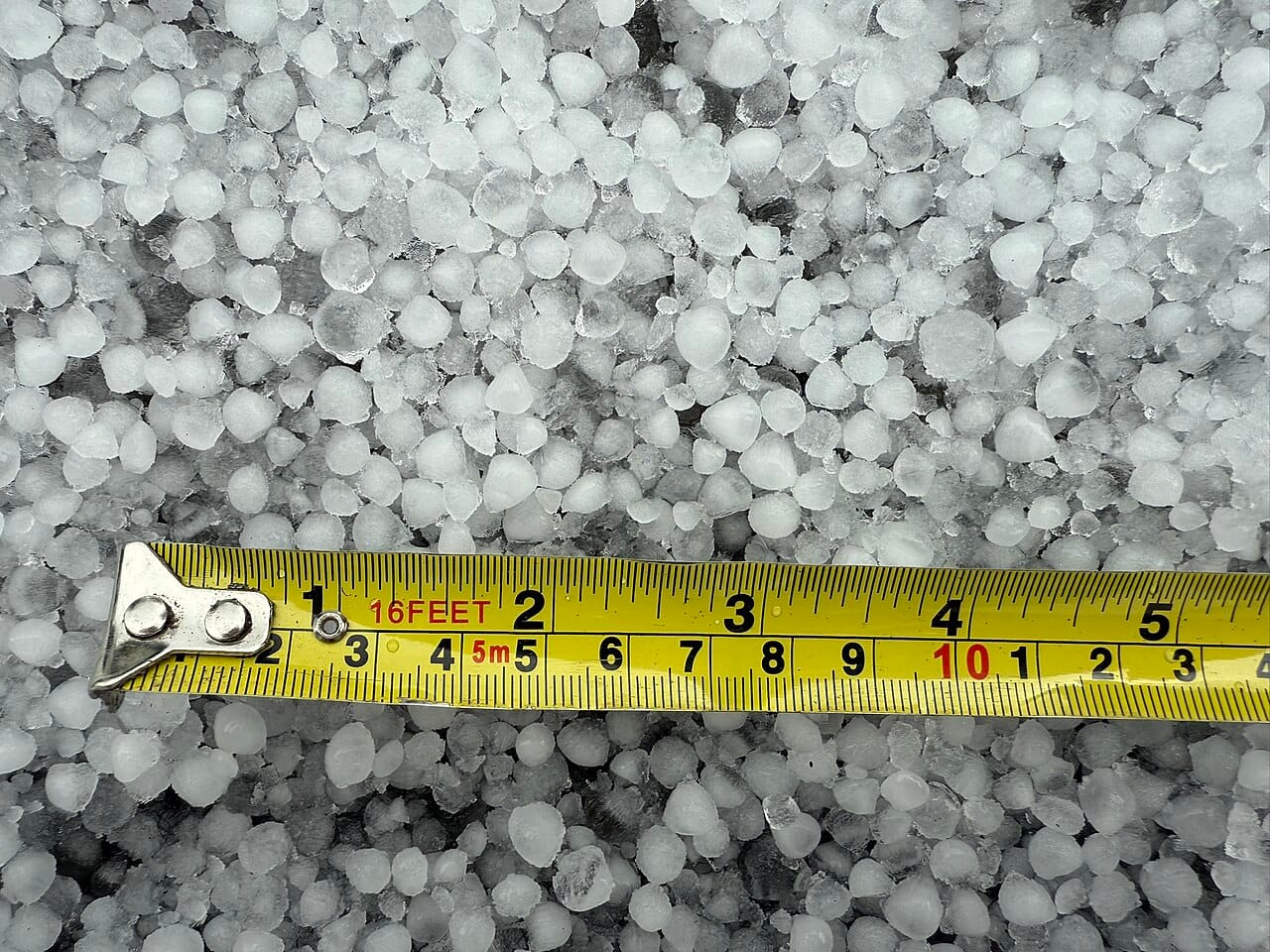
The National Weather Service treats hail of 1 inch or more, about the size of a quarter, as severe, and tags warnings for 1.75-inch, golf-ball hail as a considerable damage threat. As a rough guide for an RV, small hail mostly marks a roof, quarter-sized stones and up are what break plastic vent lids and skylight domes, and golf-ball hail can puncture a membrane and break glass.
Vent lids, skylights and AC shrouds break first
Roof fixtures are the cheapest parts of a hail repair and the most urgent. A replacement skylight dome is a $25 to $320 part an owner can fit in an afternoon, or $300 to $650 installed. The cost that matters is the water that comes through a broken one. Covering every opening the same day is what keeps the repair in the low hundreds instead of the thousands.
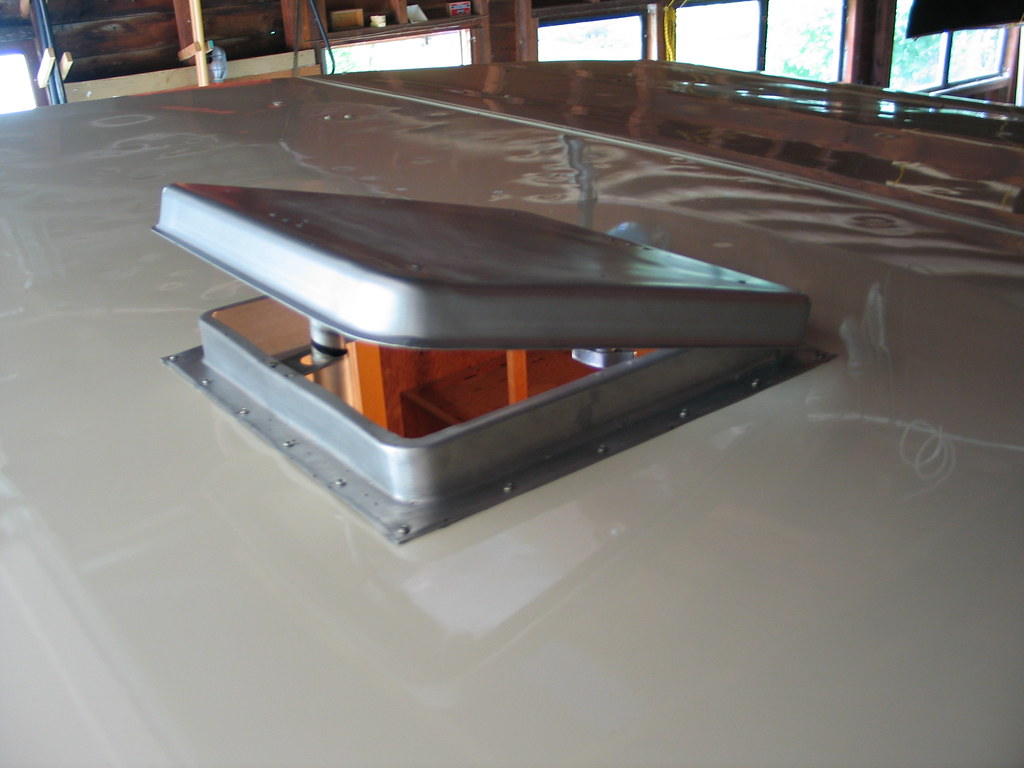
If more than a few fixtures broke, assume the membrane took hits too and have it inspected before you reseal. A new vent lid on a punctured roof only moves the leak.
Does RV insurance cover hail damage?
Usually, if you carry comprehensive coverage. Progressive’s guidance is specific about how that differs by rig:
- Travel trailers: comprehensive comes standard on its travel trailer policies, so hail is normally covered.
- Motorhomes: comprehensive is optional unless the coach is financed or leased. Without it, hail damage to a motorhome isn’t covered.
- Small claims: repairs that cost less than your comprehensive deductible come out of your own pocket. On a $1,000 deductible, that’s any repair under $1,000.
Check your declarations page for the comprehensive line and the deductible before a storm, not after. The guide to whether RV insurance covers water damage covers what happens when hail lets water in, and has a step-by-step checklist if a claim is denied.
Getting a hail claim paid in full
The first estimate is rarely the final number. Adjusters work from what they can see, and hail damage hides: a bruised membrane that hasn’t torn yet, wet decking under an intact patch, a cracked seam behind trim. Three habits protect the claim:
- Document the same day. Photos of the hail itself, every damaged part, and the inside of the ceiling, all dated.
- Get an itemized RV-shop estimate. Ask for every vent, skylight, window and roof section on its own line. A shop estimate gives you something specific to set against the adjuster’s.
- Ask about supplements. If teardown finds more damage, the shop files a supplement with the insurer. Confirm before work starts that the claim will stay open for it.

Fix the dents or live with them?
Cosmetic hail damage is the one RV repair where doing nothing is a legitimate answer. Dented aluminum siding that is sealed and dry doesn’t get worse, and some owners take the insurance check and leave the dents. Two cautions apply. A rig with unrepaired hail damage sells for less, and the dents will still be there at the next claim, so ask your insurer how it treats existing damage before you pocket the check. And anything that opened the roof, a puncture, a crack or a broken fixture, isn’t cosmetic, whatever it looks like from the ground. That part gets fixed before the next rain.
What drives the price
| Cost factor | How it moves the price |
|---|---|
| Roof material | Hail punctures and bruises a rubber membrane, cracks fiberglass, and dents aluminum; punctures let water in, dents usually don't |
| Hail size | The National Weather Service counts 1-inch hail as severe and tags 1.75-inch hail as a considerable damage threat; bigger stones break vent lids, skylights and glass |
| Roof fixtures | Plastic vent lids, skylight domes and AC shrouds break first, and every broken one is an opening for rain |
| Water before repair | A punctured roof that gets rained on before it's sealed turns a cosmetic claim into decking and ceiling work |
| Sidewall material | Dented aluminum siding is often left alone; fiberglass sidewalls that crack or delaminate need panel work |
| Adjuster vs. shop estimate | First adjuster estimates often miss hidden damage; a shop teardown can raise the scope through a supplement |
DIY or hire a pro?
- Cost
- $25-$320 for skylight domes, plus sealant and repair tape for temporary patches
- Time
- An hour on the roof to cover holes the day of the storm; an afternoon per skylight dome
- Skill
- Beginner for covering openings and swapping domes; not a DIY job once the membrane is punctured in many places
The DIY job after a hailstorm is triage: get on the roof once it's safe, photograph everything, and cover every hole and broken vent lid so the next rain stays out. Swapping a cracked skylight dome is a reasonable owner job. Re-roofing a punctured membrane is not, and if you plan to claim, document the damage before you change anything.
- Cost
- $1,000-$22,000 depending on what was hit, from a few fixtures to a full fiberglass roof
- Time
- A day for fixtures and glass; one to two weeks for a roof replacement, longer while parts and insurance approval are pending
- Booking
- Get a written, itemized estimate from an RV shop, not only the adjuster's figure
A shop is the right call for any punctured membrane, cracked fiberglass, broken windshield, or roof that may have taken on water. Ask for an itemized estimate listing every vent, skylight, window and roof section, and ask whether the shop will file a supplement with your insurer if teardown finds more damage.
Will insurance or a warranty cover it?
- RV insurance may cover this when the cause is a covered peril (storm, collision, fallen tree), not gradual wear or neglect.
Hail is a comprehensive-coverage peril. Progressive says comprehensive comes standard on travel trailer policies but is optional on motorhome policies unless the coach is financed or leased; without it, hail damage to a motorhome isn't covered. Damage that costs less than your comprehensive deductible to fix comes out of pocket.
Coverage depends on your policy and the cause of damage. Confirm specifics with your provider.