Motorhome Roof Replacement Cost (2026): By Class
Motorhome roof replacement costs $6,000 to $22,000 depending on class, roof material, and structural damage. See 2026 shop rates by Class A, B, and C.
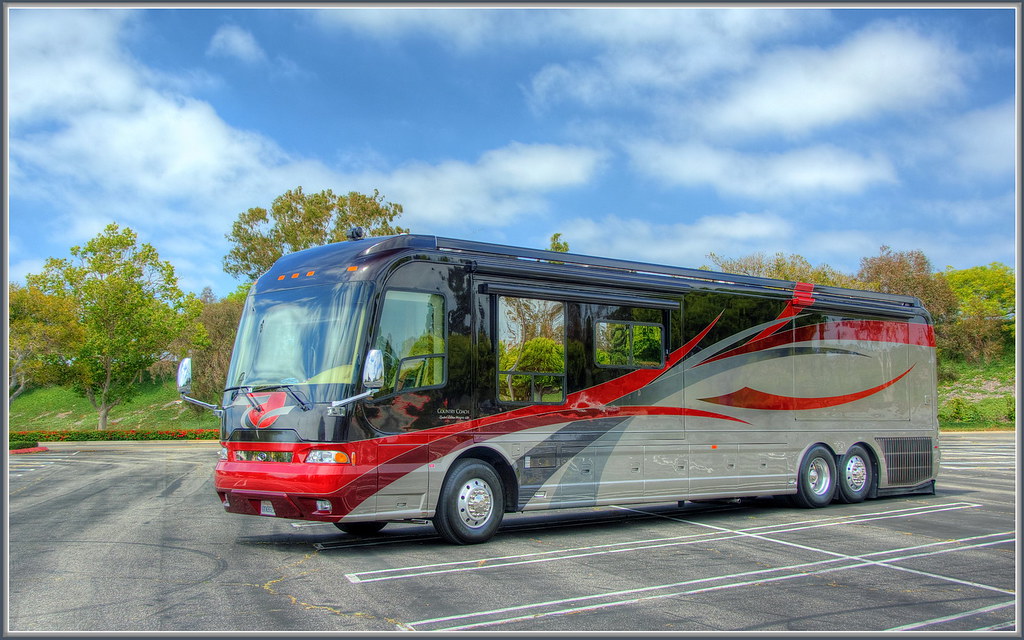
Typical cost
$6,000–$22,000
Most motorhome owners pay $8,000 to $16,000 for a full roof replacement. Class C units with rubber roofs land at the lower end; large Class A diesel pushers with fiberglass or structural damage push well past $18,000.
Most people pay around
$12,000
Costs verified June 2026
A full motorhome roof replacement runs $6,000 to $22,000, with most owners paying $8,000 to $16,000 depending on their rig’s class, roof material, and whether the decking underneath has taken on water. The spread is wide for a specific reason: a rubber roof swap on a 28-ft Class C is a very different job from a fiberglass rebuild on a 42-ft diesel pusher. This page focuses on drivable motorhomes (Class A, B, and C) and the factors that make those jobs structurally different from towable trailer replacements.
Why motorhome roof replacement costs more than trailer roof replacement
The short answer is surface area plus complexity. A 40-ft Class A roof spans 400 to 600 square feet. Compare that to a 30-ft travel trailer at around 300 square feet, and you’re adding 30-50% more material before labor enters the picture.
Beyond size, motorhomes carry more penetrations per foot of roof than trailers. A typical Class A has two rooftop A/C units, one or two vent fans, a roof-mounted TV antenna, solar panel mounts, and sometimes a powered vent for the bathroom. Each one comes off and goes back on, and each reinstallation needs fresh sealant. A shop that quotes four hours of penetration work on a trailer might quote eight hours on a loaded Class A.
The structural piece is the most overlooked factor. On a Class A, the roof membrane transitions into a molded fiberglass front cap and a fiberglass rear cap. The shop has to cut, fit, and reseal those interfaces precisely. If water has tracked under the cap seam in the past, there may be rot in the sidewall structure near the roofline as well. That’s a separate repair from the roof itself and one that shops often price as time-and-materials until they see the extent.
For a comparison of the broader RV market including towable trailers, the RV roof replacement cost page covers the full picture. The roof repair hub has a quick overview of every roof-related cost topic in one place.
Motorhome roof replacement cost by class
The table below shows typical full-replacement cost ranges by motorhome class and approximate size. These figures assume a professional shop, no significant structural rot, and all roof penetrations included in the quote. Add $3,000-$8,000 if the decking needs partial or full replacement.
| Motorhome Class | Typical Roof Length | Full Replacement Cost | Notes |
|---|---|---|---|
| Class B or small Class C (under 28 ft) | 18-27 ft | $6,000-$10,000 | Rubber membrane standard; fewest penetrations |
| Class C gas (28-34 ft) | 28-34 ft | $8,000-$13,000 | Cab-over transition seam adds complexity |
| Class A gas (33-38 ft) | 33-38 ft | $10,000-$16,000 | Fiberglass standard; cap interface labor |
| Class A diesel pusher (38-45 ft) | 38-45 ft | $14,000-$22,000 | Largest area; slide toppers; shop complexity premium |
These ranges come from published shop rates and owner-reported costs. The $300-$350 per linear foot figure that many shops quote lines up with this table: a 30-ft Class C at $325/ft comes out to $9,750, and a 42-ft diesel at the same rate hits $13,650 before any structural work or the complexity premium that diesel jobs carry.
What makes the Class A job different from any other motorhome
Class A coaches are the most expensive motorhome category to re-roof, and three things drive that beyond just size.
Fiberglass is the dominant material. Most Class A gas and diesel coaches built after the mid-1990s have fiberglass roofs, not rubber. Fiberglass material costs $8-$15 per square foot at the shop-installed level, compared to $4-$7 for TPO or $2-$4 for EPDM rubber. A 400 sq ft fiberglass job costs $3,200-$6,000 in materials alone before a single labor hour is counted. A handful of Class A coaches from the 1990s and early 2000s came off the factory line with aluminum roofs instead, so it’s worth confirming which material your rig actually has before a shop quotes fiberglass pricing by default.
The structural cap integration. The front nose cap and rear cap on a Class A are structural components, not just cosmetic covers. The roof membrane terminates at both ends where the cap takes over. A shop replacing the roof has to work at both transitions, confirm the cap-to-sidewall bond is sound, and reseal the entire perimeter. On coaches where the cap joint has been leaking, the sidewall laminate near the roofline can be compromised, turning a roofing job into a partial sidewall repair.
Diesel pusher weight and lift requirements. A Class A diesel coach typically sits higher than a gas unit and weighs 30,000-40,000 lbs. Shops need appropriate lift equipment to work safely on the roof, and not every shop is equipped for it. Expect fewer quotes available and a premium at those that can handle the job.
For patching or partial repairs instead of full replacement, the motorhome roof repair cost page covers what’s fixable short of a full membrane swap.
The cab-over section on a Class C
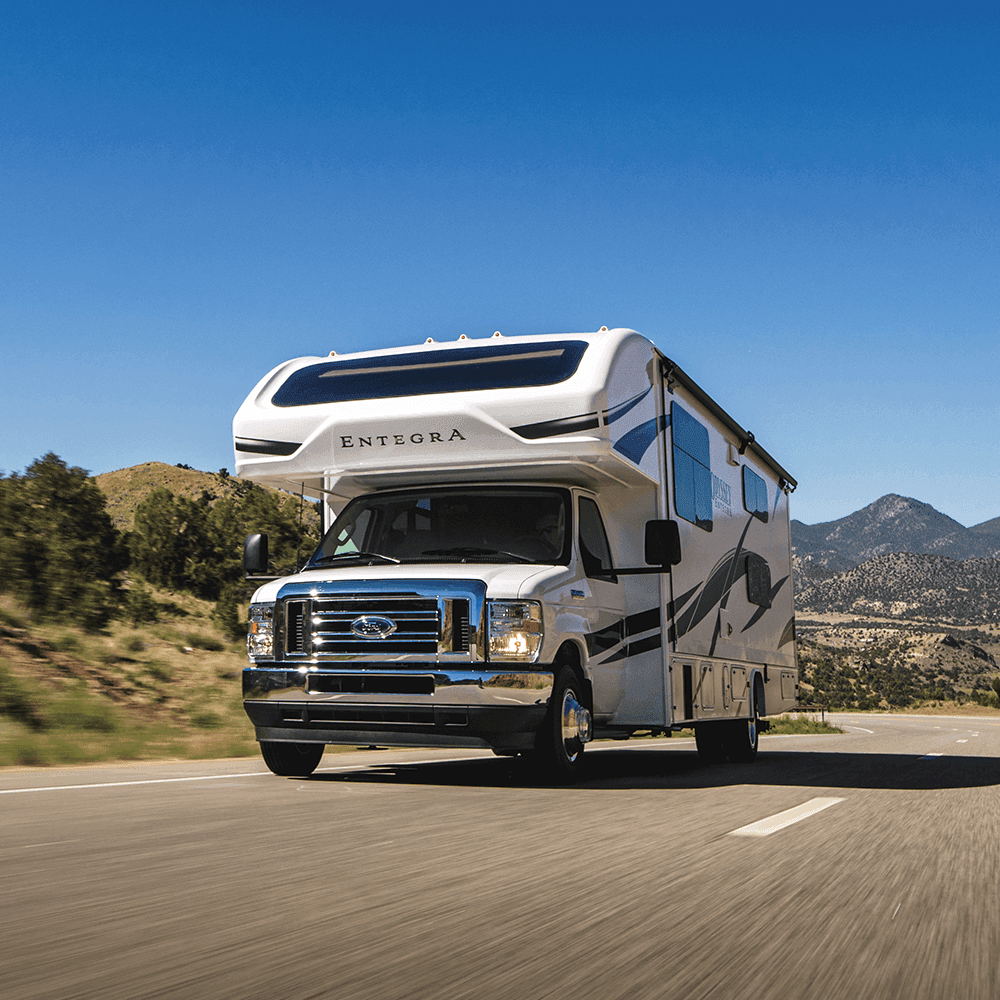
Class C owners often get surprised by the cab-over. That section over the cab sits on a different structural substrate than the main roof, and the transition seam between the two sections is a chronic leak point on Class C coaches. When a shop quotes a full Class C roof replacement, confirm that the cab-over section is explicitly included, that the transition seam will be properly lapped and sealed, and that the shop will inspect the substrate in that section separately. Some shops quote the main roof body and treat the cab-over as a separate line item.
Decking rot under a Class C roof runs a smaller add-on than it does on a Class A, typically $3,000-$6,000 rather than $3,000-$8,000, simply because there’s less deck to tear out and rebuild. That’s still real money on a job that started at $8,000-$13,000, so ask the shop to actually check the substrate rather than eyeballing it from the ladder.
What happens when there’s rot underneath
Soft spots are the most expensive diagnosis in motorhome roof work. Press on several points across the roof, including near the front and rear of the coach, around A/C units, and at the edges near vents. A solid deck feels firm. Flex or give means the insulation and likely the plywood decking underneath has absorbed water.
On a Class A, widespread decking rot typically means the shop must remove the membrane, pull the old plywood or lauan, inspect and replace any rotten framing in the roof structure, install new insulation, then lay the new membrane. That process adds $3,000-$8,000 on top of a standard replacement job and can push a 42-ft diesel rebuild past $20,000.
Because water damage can track from a leaking roof into interior ceiling panels, wall cavities, and slide room surrounds, confirm with the shop what the scope of their rot assessment covers. Some shops quote roof-only and leave interior remediation as a separate estimate.
Roof material options for a motorhome re-roof
When a Class A originally had fiberglass and the fiberglass is beyond patching, the shop has a few paths.
Full fiberglass re-skin: the most expensive option, but it preserves the original structural character of the coach. Shops that offer this capability are fewer than those that work with rubber membranes. Budget for the high end of the Class A ranges above.
EPDM or TPO over rebuilt decking: a practical and less expensive alternative when the decking needs full replacement. Some owners of older Class A coaches choose this route to extend the life of the rig at a lower cost than a full fiberglass re-skin. The result is a flat rubber roof on a coach that originally had fiberglass, which affects resale value on higher-end coaches but works fine mechanically.
Polyurea spray systems: a third option offered by a handful of specialty shops. These are applied as a liquid membrane that cures to a continuous, monolithic coating over the repaired deck. Shops that offer this system typically quote it at a premium over standard EPDM but position it on the warranty (some offer 20-year coverage). Ask for references on Class A applications specifically, since most marketed examples are travel trailers.

Getting quotes for a motorhome roof job
Motorhome roof work is more specialized than trailer work, and not every RV shop takes it on. When calling for quotes, give the shop the following upfront: motorhome class, year, make, length, roof material (fiberglass or rubber), number of A/C units, and whether you’ve noticed any soft spots. Shops that aren’t equipped for Class A diesel work will tell you quickly, which saves time.
Get at least two quotes, and ask each shop three specific questions: whether their price includes cap-interface resealing, whether decking replacement is included or billed separately, and whether they’ve done recent work on your chassis type. For diesel coaches, the third question matters because not every shop has the lift capacity or the structural familiarity with common diesel chassis like Spartan, Freightliner, or Roadmaster.
The warranty and insurance page covers how comprehensive coverage works for motorhomes specifically, including the distinction between motorhome vehicle policies and towable RV policies.
For owners deciding between a big repair bill and replacement, the RV water damage repair cost page covers how to evaluate total structural repair cost vs. the value of the coach.
Can you reseal instead of replacing?
If the membrane is in good structural shape but seams and penetrations have failed, resealing is a realistic option for rubber-roofed Class C and smaller Class A gas coaches. Annual resealing costs $500-$1,500 at most shops. That’s a defensible maintenance spend when the deck is solid and the membrane has several years of useful life left.
Resealing is not a substitute for replacement when the membrane has widespread cracking, when the deck is soft in multiple areas, or on a fiberglass roof with delamination or through-cracks at the seams. At that point you’re patching a surface that won’t hold the repair, and the water keeps finding its way in.
For owners whose primary need is resealing or spot repair rather than a full replacement, the motorhome roof repair cost page has the detailed cost breakdown for those options.
What drives the price
| Cost factor | How it moves the price |
|---|---|
| Motorhome class and roof area | A 40-ft Class A roof covers 400-600 sq ft vs. 250-350 sq ft for a typical Class C; at $8-$15/sq ft for fiberglass materials plus 20-40 labor hours, class is the single biggest cost lever |
| Roof material type | EPDM on a Class C is the most affordable path ($8k-$13k); fiberglass on a Class A runs $10k-$16k; structural rebuild with fiberglass adds another $4k-$8k on top |
| Number of roof penetrations | Every A/C unit, vent, fan, solar panel mount, and antenna bracket must be removed and reinstalled; a fully loaded Class A roof with two A/C units and multiple vents can add $800-$2,000 in labor |
| Front and rear cap integration | Class A roofs transition into molded fiberglass front and rear caps; shops have to carefully cut and reseal at those interfaces, adding 4-8 labor hours vs. a simpler trailer job |
| Structural decking and framing condition | Soft decking or rotten framing adds $3,000-$8,000 in materials and labor on top of the membrane cost; Class A coaches with neglected leak repairs are especially prone to widespread decking rot |
| Diesel pusher complexity | Diesel coaches typically run 40-45 ft, sit higher off the ground (requiring taller lifts), and often have slide toppers that must be removed and reset; shops typically add a $1,500-$3,000 complexity premium over a comparable gas Class A |
| Geographic region and shop type | Dealer service departments charge 20-40% more than independent RV shops; Pacific Northwest, Northeast, and California markets run higher; calling shops 50-100 miles away is worth it on a $15,000 job |
DIY or hire a pro?
- Cost
- $1,200-$3,500 in materials for a Class C or small Class A rubber roof
- Time
- Three to five full days minimum
- Skill
- Advanced
DIY is only realistic on a rubber membrane (EPDM or TPO) Class C or Class B motorhome where the deck is confirmed solid. The cab-over section on a Class C requires careful attention at the transition seam. DIY is not a realistic option for any fiberglass roof, any Class A with front/rear cap integration, or any job where the decking is soft. A failed DIY membrane on a motorhome can cause interior water damage that costs more to fix than the pro job would have.
What you'll need
- RV EPDM rubber roof membrane kit (full replacement, 30-35 ft size)
- Dicor self-leveling lap sealant (case of 12) (affiliate)
- RV roof membrane contact adhesive (1-gallon)
As an Amazon Associate, we earn from qualifying purchases.
- Cost
- $6,000-$22,000 depending on class, roof type, and damage extent
- Time
- Two to seven days in shop; up to three weeks at busy dealers or for a full structural rebuild
- Booking
- Get at least two quotes; ask specifically whether the price includes cap-interface resealing and whether decking inspection is included before any work begins
Professional replacement is the right call for any Class A motorhome, any fiberglass roof, and any motorhome where the deck has soft spots. Shops quote either by linear foot ($300-$350 is the common rate) or as a flat job rate. Always ask whether decking replacement is included in the bid or billed separately at time-and-materials.
Will insurance or a warranty cover it?
- RV insurance may cover this when the cause is a covered peril (storm, collision, fallen tree), not gradual wear or neglect.
- This is usually out of pocket. Standard policies treat it as wear and maintenance. A service contract bought before it fails is the main way to shift the risk.
Sudden storm damage to a motorhome roof (hail, falling tree, wind-torn membrane) is typically covered under the comprehensive section of an RV or motorhome insurance policy, subject to your deductible. Age-related cracking, UV-degraded fiberglass, or a rubber membrane that wore out from deferred resealing are not covered. Motorhomes titled as vehicles may have coverage structured differently from towable trailer policies, so call your adjuster before authorizing any work and ask specifically about the roof coverage language in your policy.
Coverage depends on your policy and the cause of damage. Confirm specifics with your provider.