RV Roof Replacement Cost (2026): What to Expect
Full RV roof replacement costs $3,000 to $20,000 depending on roof type, RV size, and structural damage. See real 2026 shop rates by material.
Typical cost
$3,000–$20,000
Most owners pay $4,500 to $12,000 for a full RV roof replacement; smaller trailers with EPDM land near the bottom, larger Class A rigs or those with structural rot push toward the top.
Most people pay around
$8,500
Costs verified June 2026
A full RV roof replacement runs $3,000 to $20,000, with most owners landing between $4,500 and $12,000. The spread is that wide because roof type and RV size drive costs more than anything else: an EPDM membrane swap on a 26-ft travel trailer at an independent shop is a very different job from a fiberglass rebuild on a 40-ft Class A with rotted decking underneath. This page covers full replacement only, not patching or resealing.
Replace or repair: which one do you actually need?
Before spending $8,000, it’s worth being sure you need a replacement and not a repair. The difference usually comes down to the condition of the roof deck, not just the membrane on top.
Push on the roof surface in several spots, including near vents, skylights, and the edges. A healthy RV roof deck feels firm. If it flexes or has soft spots, water has gotten into the insulation and possibly the wood framing underneath. Membrane patches over rotten decking fail fast and waste money.
Other signals that point toward replacement rather than repair:
- Three or more separate leak points showing up inside the rig
- Widespread surface crazing or chalking across the whole membrane (not just isolated spots)
- Bubbling or tenting where the membrane has separated from the substrate
- Interior ceiling delamination in multiple areas
- Sidewall separation near the roofline, which often means moisture tracked down from the roof
Repair makes the most sense on a roof that’s otherwise sound and under about 12 years old, where the damage is an isolated crack, a small puncture, or a handful of failed seam sections rather than a pattern spread across the whole surface. Past that age, or once several of the signs above show up at once, replacement is usually the more cost-effective call. A single failed vent seal or a small puncture? That’s a repair. If you need a full-surface overhaul, that’s what this page is about.
RV roof replacement cost by roof type
The membrane material is the single biggest cost lever. Shops typically quote by linear foot for the complete job, but the per-foot rate varies by material.
EPDM rubber ($3,000–$7,000 for a typical travel trailer): the most common material on RVs built in the last 30 years. It bonds well, installs relatively quickly, and replacement kits are widely available for DIY. EPDM has a 10–15 year useful life with annual resealing; skip the resealing and that number can drop to well under a decade.
TPO ($4,500–$9,000): a heat-welded thermoplastic membrane that’s become the factory standard on many newer builds. TPO is harder to install correctly than EPDM because seams require a heat gun or hot-air welder. Plan for 15–20 years if maintained.
Fiberglass ($9,000–$15,000): standard on most Class A gas and diesel pushers. Fiberglass replacement is expensive partly because of material cost and partly because removal often involves the sidewall cap interface. When shops quote for a fiberglass roof on a Class A, expect the number to start at $10,000 before any structural work is added. A fiberglass roof typically lasts 20–30 years, the longest service life of any of these materials.
Aluminum ($6,000–$10,000): found on older Class A units and some commercial-grade coaches. Less common now, but still in service on a lot of 1990s–2000s coaches. Aluminum runs a similar 20–30 year lifespan to fiberglass.
Full structural rebuild ($10,000–$20,000): when the decking has rotted through, you’re not just replacing the membrane. The shop has to remove the membrane, pull damaged plywood or lauan decking, inspect and replace any rotten framing, install new insulation, then lay a new membrane. A standard 40-ft EPDM replacement with no structural damage runs around $12,243 in parts and labor at one independent Texas shop; add serious rot and the framing work on top of that clears $15,000 easily.
RV roof replacement cost by RV size
Size scales the bill in a nearly linear way. Most shops charge a base rate plus a per-linear-foot fee, and the material waste and labor hours both track with roof area. Here’s how real-world costs shake out across RV lengths and classes:
| RV Type / Length | Typical Full Replacement Cost | Notes |
|---|---|---|
| Small trailer under 25 ft | $3,000–$6,000 | EPDM/TPO; minimal penetrations |
| Mid-size trailer 25–35 ft | $5,500–$10,000 | Most common travel trailer range |
| Class C or B+ motorhome 24–32 ft | $6,000–$11,000 | More roof penetrations than a trailer |
| Class A gas 33–38 ft | $9,000–$15,000 | Fiberglass standard; roofline complexity |
| Class A diesel 38–45 ft | $12,000–$20,000+ | Largest roof area; integrated structure |
Coach Specialists in Tyler, TX published a detailed breakdown: a 40-ft rubber roof replacement came out to $12,243 fully installed, with 75 labor hours at $120/hr accounting for most of the bill. That’s a useful anchor for an EPDM job with no structural damage.
What pushes the price up
Rotted or wet decking is the most expensive surprise. Shops will often give you a firm quote on the membrane work but quote “time and materials” on decking replacement until they can see what’s under the old membrane. Budget $2,000–$8,000 for structural repairs if the rig has any history of unresolved leaks.
Roof penetrations. Every air conditioner, vent, skylight, and antenna that has to come off and go back on adds labor. A fully loaded roof with two ACs and several vents can add $500–$1,500 to the total. Ask the shop specifically whether their quote includes reinstallation of all roof fixtures.
Material upgrades. Some shops will up-sell from EPDM to TPO or to a spray-applied polyurea system. Spray systems have longer warranties and work well on complex rooflines, but they’re priced at $150–$200 per linear foot on top of standard rates. Worth considering on a high-value rig you plan to keep for another decade.
Location and shop type. Dealer service departments charge 20–40% more for the same job than independent RV repair shops. The Pacific Northwest, Northeast, and California markets run higher than the South and Midwest. If you’re in a high-cost area, it’s worth calling shops 50–100 miles away; RV roof work is common enough that owners regularly drive to a more affordable region.

Can you replace an RV roof yourself?
For EPDM and TPO on a travel trailer or Class C, yes, if you’re genuinely handy and you follow the installation instructions closely. Full membrane kits for a 30-ft RV are available for $900–$1,800. You’ll also need contact adhesive ($80–$150), lap sealant ($40–$80 per tube, budget for 6–8 tubes), and basic hand tools.
The two things that sink DIY roof jobs: not cleaning and priming the deck surface thoroughly before adhesive application, and not respecting cure times in cold or humid weather. EPDM adhesive that isn’t fully cured will fail at the seams, and you’ll be back on the roof in six months.
DIY is not the right call for fiberglass, aluminum, or any job where the decking has soft spots. Structural repairs require the right materials and the judgment to know how far the damage actually extends. A DIY membrane laid over rotten decking will fail early and may void any warranty on the new material.
For more guidance on what’s fixable without a full replacement, see roof repair options and roof resealing costs.
Is a roof replacement covered by insurance?
The short answer: maybe, depending on the cause.
RV comprehensive insurance covers sudden and accidental damage. A hailstorm that shreds the membrane, a tree branch that punches through the roof, or wind that tears back a section are all covered events, subject to your deductible and the current ACV of the rig.
What’s not covered: a membrane that deteriorated because it wasn’t resealed annually, a roof that cracked from UV exposure over several seasons, or any situation where the insurer can argue the damage was pre-existing or wear-related. Age-based replacement is never covered. Read the exclusions section of your specific policy and call your adjuster before authorizing any work; that pre-existing-condition argument is exactly what an adjuster is trained to look for once the roof comes open.
Extended warranties typically exclude roof membranes entirely or cover only specific mechanical failure modes, not general degradation. Read the fine print on roof coverage before assuming your warranty applies.
Motorhomes, which are titled as vehicles, may have different coverage terms than towable trailers under the same policy. Check the warranty and insurance page for more detail on what’s actually covered in a typical RV policy.
What about a used RV with a bad roof?
If you’re buying an RV and the inspection turns up a compromised roof, use the replacement cost estimates on this page as a bargaining chip, not a reason to walk away automatically. A rig priced $10,000 below market with a $7,000 EPDM replacement job can still be a good deal, especially if the rest of the structure is sound. The math changes fast when water damage repair is also on the table.
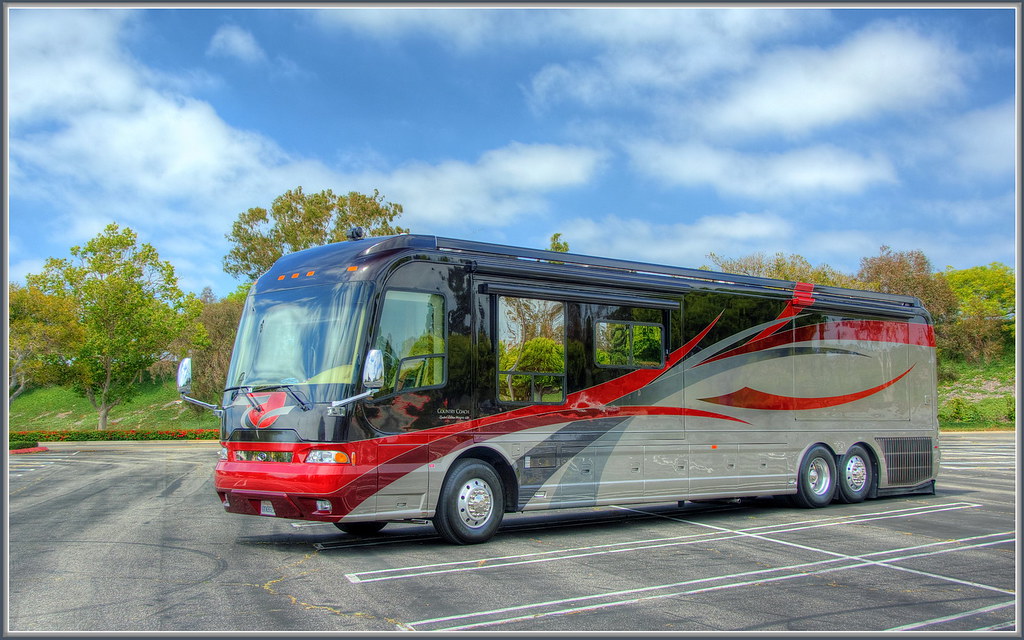
For Class A motorhomes specifically, see the motorhome roof replacement cost page, which covers the structural complexity and the fiberglass-specific labor involved in those jobs.
What drives the price
| Cost factor | How it moves the price |
|---|---|
| RV length (per linear foot) | Shops quote $275–$325 per linear foot; a 25-ft trailer runs roughly $7,000–$8,000 all-in vs. $12,000+ for a 40-footer |
| Roof material type | EPDM is cheapest; TPO adds 30–50% over EPDM; fiberglass runs 2–3x EPDM rates |
| Structural rot and water damage extent | Rotted decking or framing adds $2,000–$8,000 on top of the membrane cost |
| AC units, vents, and antenna removal | Each penetration removed and reinstalled adds 1–2 labor hours ($100–$250 per item); a fully loaded roof may add $500–$1,500 |
| DIY vs. shop labor | A DIY EPDM membrane kit for a 30-ft trailer costs $900–$2,500 in materials vs. $5,500–$8,000 installed at a shop |
| Geographic region and shop type | Dealer service departments charge 20–40% more than independent RV repair shops for the same job; Pacific Northwest and Northeast lean higher |
| Emergency or mobile service | Mobile roof replacement adds 20–40% to standard shop rates |
DIY or hire a pro?
- Cost
- $900–$2,500 in materials for a 25–35 ft trailer
- Time
- Two to three full days minimum
- Skill
- Advanced
DIY is feasible for rubber membrane (EPDM/TPO) replacement on a travel trailer or Class C if you're comfortable on a roof and can follow adhesive cure times carefully. It's not realistic for fiberglass, aluminum, or any job involving rotted decking and framing. A botched install voids any remaining roof warranty and can cause water damage that costs more than the pro job you skipped.
What you'll need
- RV EPDM rubber roof membrane kit (full replacement size)
- Dicor lap sealant (self-leveling and non-sag) (affiliate)
- RV roof membrane adhesive (contact cement for EPDM)
As an Amazon Associate, we earn from qualifying purchases.
- Cost
- $3,000–$20,000 depending on roof type, RV size, and damage extent
- Time
- One to five days in-shop plus scheduling wait; up to two weeks at busy dealers
- Booking
- Book multiple shops and ask specifically about rot inspection before committing
Professional replacement is the right call for any fiberglass or aluminum roof, for any job where the decking is soft, or for Class A motorhomes where the roof is integrated with the sidewall structure. Shops quote by linear foot in most cases. Get at least two quotes and ask each shop whether their price includes decking inspection and whether rot repair is billed separately.
Will insurance or a warranty cover it?
- RV insurance may cover this when the cause is a covered peril (storm, collision, fallen tree), not gradual wear or neglect.
- This is usually out of pocket. Standard policies treat it as wear and maintenance. A service contract bought before it fails is the main way to shift the risk.
Sudden storm damage (hail, falling tree, wind) is typically covered under the comprehensive section of an RV insurance policy, subject to your deductible. Gradual deterioration, age-related cracking, or a roof that wore out because maintenance was deferred is not covered by insurance and is almost never covered by extended warranty either. The line insurers draw is 'sudden and accidental' vs. 'wear and tear.'
Coverage depends on your policy and the cause of damage. Confirm specifics with your provider.