Best RV Extended Warranty Companies (2026): Ranked and Compared
Wholesale Warranties and America's RV Warranty top the 2026 field for most buyers, but the right pick depends on whether you want a broker with in-house claims support or a direct administrator with longer terms. Here's the honest comparison.
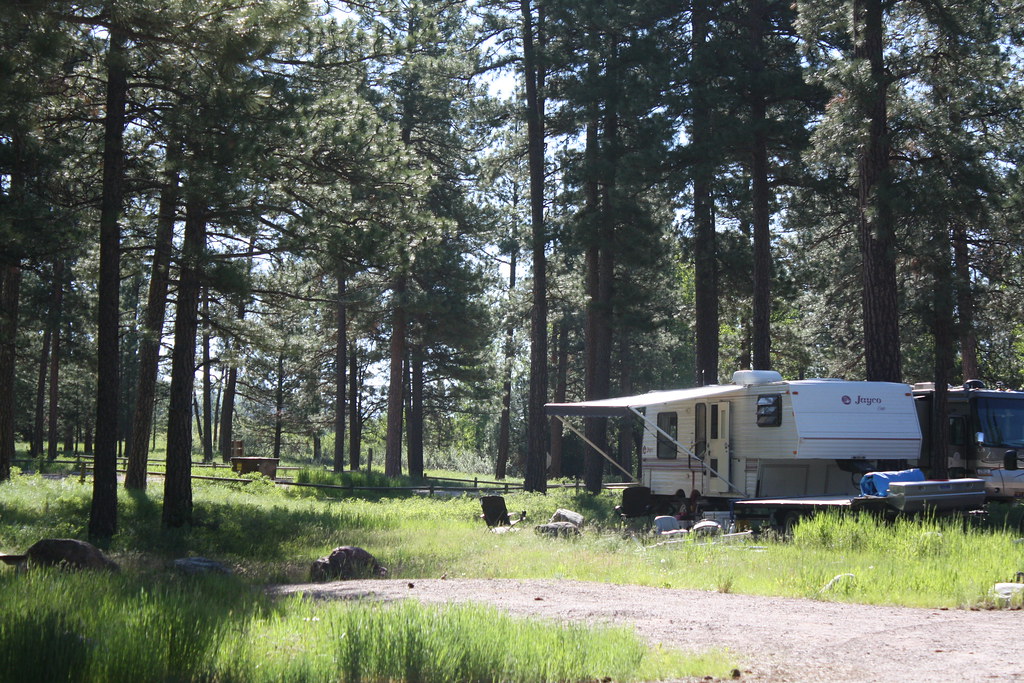
For most motorhome owners, Wholesale Warranties and America’s RV Warranty (ARW) are the two names worth starting with in 2026. Both sell exclusionary coverage directly to consumers, both carry A+ BBB ratings, and both have in-house claims teams rather than farming disputes out to a third-party administrator. If you own a travel trailer and want simpler, lower-cost coverage, Good Sam’s ESP and CornerStone United (sold through dealers) are credible alternatives. The right choice depends more on how you want to buy and what your rig is than on any single “winner.”
Before getting quotes, read whether an RV extended warranty is worth it for your situation and review what these contracts typically cost so you can evaluate any quote against real benchmarks.
The best RV extended warranty companies in 2026
Wholesale Warranties
Best for: Used-RV buyers, owners who want a broker to shop multiple underwriters, and anyone who wants claim advocacy built into the contract.
Wholesale Warranties is a San Diego-based direct-to-consumer broker, not a warranty administrator itself. That means they shop your rig’s profile across multiple underwriters to find coverage that fits. Their BBB rating is A+, with a 4.7 out of 5 on Trustpilot across hundreds of reviews as of mid-2026.
Coverage tiers run from powertrain-only up through full exclusionary plans, with terms up to 7 years and 125,000 miles. One genuine differentiator: an in-house claims support team that acts as your advocate if a shop and the administrator disagree on scope or pricing. Owner reviews consistently call out this team as the reason difficult claims eventually paid. The flip side is that plan details are only available after contacting a warranty specialist directly, so you can’t comparison-shop specific contract language online. Also unavailable in California.
Roadside assistance ($75 per incident), trip interruption ($50 per day, up to 3 days), and rental reimbursement ($40 per day, up to 4 days) are included in most plans.

America’s RV Warranty (ARW)
Best for: Motorhome owners who want the longest available terms, full retail parts pricing, and direct claims handling without a broker layer.
ARW positions itself as a direct warranty administrator, not a broker. Coverage options span powertrain, comprehensive listed-component, and full exclusionary plans for motorhomes and towables. Terms go up to 8 years, which is longer than most competitors offer. A-rated insurance backing and a BBB A+ rating are consistent across independent reviews.
A standout detail: ARW pays full retail price for new parts and covers diagnostic fees, both of which many competitors exclude or cap. Mobile mechanic coverage comes with a standard $500 allowance and applies even when the rig can still be driven, unlike most competitors that require the vehicle to be immobilized before authorizing a mobile tech. The company requires no pre-inspection, which matters when buying coverage on a used rig.
Owner complaints in forums and review sites tend to land on slow quote turnaround rather than claim denials, which is a much better problem to have.
Good Sam Extended Service Plan
Best for: Full-timers and frequent travelers who want travel reimbursement benefits and are already Good Sam Club members.
The Good Sam ESP is structured as insurance-backed mechanical breakdown coverage rather than a service contract, which carries some regulatory and claims-processing differences. Coverage is available across all 50 states and Canada, and the plan is transferable to a new owner at no cost. Travel expense reimbursement, up to $100 per day for five days for meals and lodging plus up to $60 per day for rental car, adds meaningful value for anyone who lives in or travels long distances with their rig.
The catches are real. An active Good Sam Club membership is required. The plan is unavailable in New York and Indiana. Age and mileage limits apply: 16 model years or newer, under 100,000 miles for gas motorhomes and under 120,000 miles for rear-engine diesels. Reviews on iRV2 and Forest River Forums are mixed, with the most common complaint being pre-existing-condition and “rust on cooling tubes” denials. Good Sam’s parent company (Marcus Lemonis / Camping World) sells through its own retail channel, which means quotes aren’t available through independent brokers for comparison. The travel benefits are genuinely useful; the claims reputation is average at best.
Open Road (administered by National Auto Care)
Best for: Buyers whose rig was sold with an Open Road contract already in place, or owners comfortable with Assurant-backed coverage.
Open Road service contracts are administered by National Auto Care, which has been processing auto and RV warranty claims since 1984. The underwriter is Assurant, a large specialty insurance carrier with a long track record. Coverage is exclusionary, meaning everything on the rig is covered except a specific list of carve-outs. Repairs are accepted at any licensed facility in the U.S. or Canada, and mobile mechanic authorization is included.
Pre-authorization before repairs begin is required, which is standard in the industry but can create friction when a shop and the administrator haggle over the exact description of a covered component. One forum owner with an Assurant-backed Open Road policy reported no denied claims over several years, with occasional minor disputes over part pricing. That’s a more positive experience than the same Assurant underwriter gets behind some other branded contracts, suggesting the National Auto Care administration layer matters. Not sold direct to consumers in most cases; typically comes through dealers or brokers.

Route 66
Best for: Towable owners buying at a dealer that offers it, who want a recognizable regional brand with a long operating history.
Route 66 has been in the service-contract business for over 30 years and shows up at dealer F&I desks across the country. Coverage is available for RVs with exclusionary options, and repairs can be done at any certified RV technician’s shop with a $100 deductible after pre-authorization. Forum discussions on iRV2 report two distinct camps: owners who used it successfully on multiple claims with no issues, and owners who hit friction when the shop used terminology that the administrator interpreted as a non-covered failure. That pre-authorization language sensitivity is an industry-wide issue, but it shows up in Route 66 reviews more than with the direct-sale providers above.
If Route 66 is what a dealer is offering, the contract itself is not a red flag. Negotiate the price hard, as the markup from wholesale to dealer F&I is steep, and make sure the specific plan you’re signing is exclusionary rather than listed-component.
CornerStone United
Best for: Buyers who prefer the familiarity of a dealer-sold product and whose dealer partners with CornerStone.
CornerStone United has over 50 years in the vehicle service contract space and covers RVs, off-road vehicles, and watercraft in addition to passenger vehicles. Coverage options include listed-component and exclusionary plans with add-ons available. The company distributes through dealers and does not sell direct to consumers. Customer reviews on ConsumerAffairs are split: some owners report thousands of dollars in paid claims with smooth service; others describe aggressive denial of anything that could be framed as wear or pre-existing condition.
The quality of a CornerStone-backed contract depends heavily on which plan tier the dealer actually enrolled you in. Exclusionary plans from CornerStone have paid out reliably for many owners; the listed-component plans generate the bulk of the complaints.


Provider comparison at a glance
| Provider | Coverage style | Sold via | Best for | Watch-outs |
|---|---|---|---|---|
| Wholesale Warranties | Exclusionary, listed-component, powertrain | Direct broker | Used RV buyers, claim advocacy | Not available in CA; plan details need a phone call |
| America’s RV Warranty | Exclusionary, listed-component, powertrain | Direct administrator | Motorhome owners, longest terms (up to 8 yrs) | Slower quote process; exclusions still apply |
| Good Sam ESP | Exclusionary insurance-backed | Camping World / direct | Full-timers who want travel reimbursement | Requires membership; unavailable in NY/IN; mixed claims rep |
| Open Road | Exclusionary | Dealers / brokers | Buyers with existing Open Road contract | Pre-authorization disputes; not available direct |
| Route 66 | Exclusionary, listed-component | Dealers | Towable owners at participating dealers | Dealer markup; pre-auth language sensitivity |
| CornerStone United | Exclusionary, listed-component | Dealers only | Buyers at CornerStone-partnered dealers | Plan tier matters; listed-component plans generate most complaints |
How to choose the right plan
Start with coverage type, not price. An exclusionary plan covers every mechanical and electrical system except what’s specifically listed as an exclusion. A listed-component plan covers only what appears on a defined list, and that list is where the trouble hides: generators, slide systems, and diesel engines are exactly the components that generate the largest claims and are also the ones most often missing from a listed-component plan’s coverage. Exclusionary coverage costs more and is worth it for any rig with chassis-level systems or multiple appliances, because it pays out on a much broader range of failures. Listed-component plans are cheaper but leave gaps that surface exactly when you need coverage most.
Match the plan to your RV type. Motorhome owners have more to gain from comprehensive coverage because the engine, transmission, generator, and leveling system all live under one policy. Towable owners have fewer high-dollar mechanical systems to insure and should run the math carefully before paying motorhome-level premiums for a travel trailer with a simpler failure profile. The RV extended warranty cost breakdown covers what typical contracts run by class.
Buy earlier rather than later. Timing affects both price and terms. Getting a contract before the factory warranty expires, or within the first year of owning a used RV, gives you the widest choice of plans and usually skips the physical inspection requirement altogether. Wait longer and premiums climb, an inspection becomes mandatory, and any claim gets closer scrutiny for pre-existing conditions.
Buy direct or through a broker, not at the dealer. Dealer markup on service contracts runs 100 to 300 percent over wholesale. A plan priced at $1,500 wholesale often sells for $4,000 to $6,000 at the F&I desk. The coverage itself can be perfectly good if it’s backed by a reputable underwriter like CornerStone United or EasyCare. The problem is price: you can usually buy the identical plan from a broker or direct provider after the purchase closes and save several thousand dollars over the dealer’s number. If you’re evaluating whether the cost is worth it using a dealer quote, your number is inflated.
Get the actual contract, not the brochure, before you sign. The marketing sheet will not mention the pre-authorization requirement, the consequential-damage carve-out, or the specific documentation needed to prevent a pre-existing-condition denial. The contract will. Read it before signing.
Check the underwriter, not the brand name alone. The company selling the contract may not be the company administering or funding your claim. Ask specifically: who is the underwriter? Is it A-rated by AM Best? If a small, non-rated entity is backing the plan, you have no guarantee the money will be there when you file.
Red flags to avoid
A few patterns appear consistently in owner complaints about denied claims and bad-faith service practices:
Required repair facility lists without nationwide coverage. A plan that only covers dealer service centers leaves you stranded if you’re 500 miles from the nearest authorized shop. Verify that any provider you’re considering accepts repairs at independent certified technicians and mobile mechanics before you sign.
Low deductibles used to mask high premiums. A $0 deductible sounds good until you realize the total contract cost is 40 percent higher than a plan with a $100 deductible. Run the total-cost math, not the deductible number in isolation.
No A-rated underwriter disclosed. Any provider that can’t name a licensed insurance carrier or A-rated underwriter backing the plan is potentially running a risk-retention group or self-funded arrangement. Those are not inherently bad, but they lack the same financial stability backstop.
Pre-authorization language that requires the shop to describe the failure in specific terms. Some contracts allow denial if the repair facility uses slightly different wording than the contract specifies. Ask how pre-authorization works and whether the provider pays to dispute a denial.
Lifetime warranty programs with heavy maintenance compliance strings. “Warranty Forever” and similar lifetime programs sold through dealers require documented maintenance at specific intervals, at specific facilities. One missed oil change record and the entire warranty voids. Owner reports on iRV2 describe extensive denials tied to minor documentation gaps.
How to get quotes and what to compare
Request quotes from at least two direct or broker providers before accepting any dealer’s number. Have your rig’s make, model, year, mileage, and any known service history ready. Ask each provider these specific questions:
- Is this exclusionary or listed-component coverage?
- Who is the underwriter and what is their AM Best rating?
- Is pre-authorization required, and what happens if the shop uses different terminology than the contract?
- Does the plan cover mobile mechanics when the rig can still be driven?
- Is consequential damage covered (for example, if a failed $40 part damages a $3,000 component)?
- What documentation is required to prevent a pre-existing-condition denial?
Compare the answers line by line, not the price alone. Two contracts at the same premium can differ by thousands of dollars in actual claim payouts depending on those six questions.
For context on what major repairs actually cost and whether a contract makes financial sense for your specific class of RV, see does RV insurance cover water damage for what standard insurance covers separately, and the warranty and insurance overview for how the two products interact.
Shopping for RV coverage?
Get quotes from a few providers before you decide. A service contract only pays off if it covers the failures your rig is actually prone to, at a price that beats paying out of pocket.