Does RV Insurance Cover Water Damage? (2026)
RV insurance covers sudden, accidental water damage (storm breach, burst pipe) but not gradual leaks, failed seals, or condensation. Here's exactly how the line gets drawn.
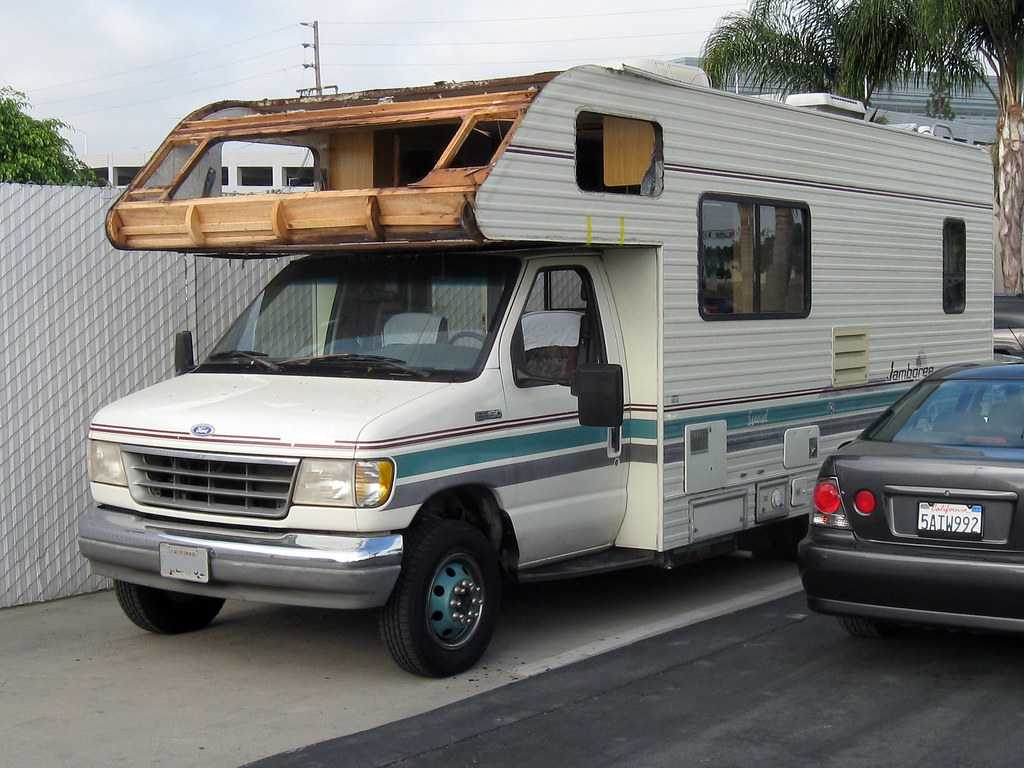
Sometimes. RV insurance typically covers water damage when the cause was sudden and accidental, a storm breach, a hail strike, a falling tree limb, a flash flood, or a sudden pipe failure. It almost never covers water damage from gradual causes, failed seals, condensation, deferred resealing, or any leak that developed slowly over time. The cause of the water entry, not the severity of the resulting damage, is what determines whether your claim gets paid.
What RV insurance actually covers
Comprehensive coverage is the part of an RV policy that handles water damage, and it covers a specific set of named perils. The list is fairly consistent across major providers including Progressive, National General, and Good Sam’s insurance arm:
- Storm events that physically breach the RV’s exterior: thunderstorms, hail, tornadoes, hurricanes, and blizzards
- Falling objects: a tree limb punching through the roof or a campsite awning collapse
- Flash flooding and rising water from an external natural event
- Vandalism, including broken windows that let rain in
- Sudden, unexpected failures of internal plumbing, such as a burst water line or failed water pump, when the failure itself was abrupt and unforeseeable
- Firefighting water damage
One clarification worth noting: flood coverage is standard in most comprehensive policies, but a handful of insurers have begun scaling it back as extreme weather becomes more frequent. Confirm your policy language before assuming flood is included. There is no RV equivalent to the National Flood Insurance Program, so comprehensive is your only option for rising-water protection.
If you have a covered water event, mold remediation that’s directly and immediately caused by that event is usually included. Many policies put a sublimit on mold, often around $5,000, so don’t assume a mold problem is fully covered even when the underlying water damage is a legitimate claim.
What comprehensive coverage won’t pay for
The exclusions list is where most RV water damage claims die. Across every major policy and insurance broker reviewed:
- Deteriorated roof seals, window seals, door seals, and slide seals are maintenance items. When they fail over time and let water in. That’s an excluded maintenance failure, not a covered loss.
- Long-term seepage, slow dripping through a vent gasket, or moisture accumulation from repeated minor intrusions are all excluded.
- Condensation is treated as a ventilation management problem, entirely within the owner’s control.
- Wood rot, soft decking, and structural damage from prolonged moisture exposure are excluded because the damage itself is evidence that the cause was gradual.
- Mold from long-term dampness or poor ventilation, when not tied to a specific sudden event, is excluded.
- Manufacturer defects causing water intrusion fall under the manufacturer’s responsibility, not the insurer’s.
- Snow load, ice dams, and freeze damage from improper winterization are excluded at most carriers.
The structural reason these exclusions exist is that insurers cover sudden losses, not the accumulated cost of deferred maintenance. Resealing, caulking, and regular inspection are the owner’s responsibility. When you skip them, the resulting damage is your bill.
Sudden and accidental vs. wear and tear
This distinction is the single most important concept in any RV water damage claim. Every source in this review, from insurer help pages to independent broker explainers, frames the coverage question the same way: what caused the water to get in, and did it happen suddenly?
A hailstorm that punches a hole in your rubber roof at 2 p.m. on a Wednesday is a sudden event. The insurer can match it to a weather record. Your adjuster can see the impact point. That’s covered.
A roof seam that separated over the course of six months because the sealant degraded is not sudden, even if you only discovered the resulting rot last week. The adjuster sees extensive soft decking, discolored framing, and mold that clearly grew over a long period. That’s denied.
The trap that catches owners: both scenarios can produce identical visible damage. A rotted floor section looks the same whether the cause was a hurricane or a slow seam leak. The insurer’s job is to determine which it actually was, and they’re good at it. Signs of gradual damage, including the depth of rot, the spread of mold, and the extent of structural softening, all point toward an ongoing problem rather than a single event.
Where it gets genuinely gray: a storm breaches a roof that had a degraded seal. The storm created the opening, but the seal’s condition made it worse. In practice, insurers will often look at the “primary cause” and argue the deteriorated seal was the reason the storm caused damage it otherwise wouldn’t have. Progressive in particular has a reputation for aggressive use of this maintenance-exclusion argument when a claim is large enough to investigate closely.
When a roof leak is covered
A roof leak can be covered, but the facts have to support a sudden-cause story. The clearest path to a paid claim looks like this:
A named storm passed through on a documented date. You have weather records showing hail or high winds. Your adjuster can see a breach point, a cracked vent cover, a deformed vent flange, a puncture from debris, or a torn seam at a specific location. Your maintenance records show the roof was inspected and resealed within the past year. You reported the damage promptly and didn’t tear anything out before the adjuster arrived.
In that scenario, the claim has legs. The cause is documented, the timing is specific, and your maintenance history undercuts any argument that neglect was the real cause.
If any of those elements is missing, the claim gets harder. No maintenance records means the adjuster has nothing to compare against. Early tearout means the adjuster can’t inspect the cause of loss. No specific storm to point to means “I found this leak” without an event attached, which reads as gradual discovery.
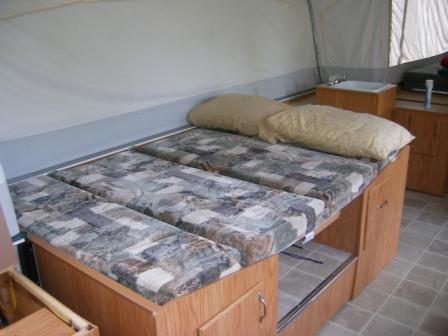
Keep in mind that rv roof repair costs can run from a few hundred dollars to several thousand depending on the extent of damage. A borderline claim that gets denied leaves you holding that entire bill.
Why slow leaks get denied
Insurers aren’t being unreasonable when they deny gradual water damage. Their argument is straightforward: the damage happened over a long time, the owner had the opportunity to catch and fix it through regular maintenance, and didn’t. The policy covers losses, not accumulated maintenance neglect.
There’s also a practical investigation angle. When a water damage claim comes in with a $20,000 estimate and extensive structural damage, the insurer has every financial incentive to examine the timeline carefully. An adjuster who sees three-year-old wood rot, multiple layers of mold growth, and soft decking across six feet of flooring is looking at evidence that contradicts a “sudden storm event” story, regardless of what you tell them happened.
The failure-to-mitigate argument can compound things further. If an owner discovers a water leak and waits weeks to report it, the insurer can argue that some portion of the damage, maybe all of it, resulted from preventable additional exposure after discovery. Reporting promptly matters even if the original cause might be excluded, because it eliminates the mitigation argument.
The most effective thing an RV owner can do to protect water damage claims is to maintain the roof aggressively. Roof resealing typically runs $300 to $1,500 depending on whether you do it yourself or hire out, and it’s the primary maintenance item insurers look for when evaluating a claim. An owner who can show a consistent annual resealing history has a fundamentally different claim conversation than one with no records at all.
This is the direct connection between maintenance and insurance: the leaks insurance won’t pay for are exactly the ones that regular resealing prevents.
How to keep a claim from being denied
Several practical habits significantly improve the odds of a covered water damage claim actually paying out.
Document maintenance as it happens. Every roof seal inspection, every tube of lap sealant, every professional reseal job. Date the receipts and keep them. A manufacturer’s warranty or an insurance policy may never pay out, but they’re both far more likely to pay out when you can show you were doing your part.
Photograph damage immediately, before touching anything. The moment you discover water damage, take dated photos from multiple angles. If a storm caused it, photograph the breach point, the surrounding area, and any obvious impact marks. Don’t clean up, don’t dry out, don’t start repairs. Call your insurer first.
Never start demolition before an adjuster inspects. This is the single most common self-defeating move. An owner who tears out damaged material before an adjuster can examine the cause of loss makes their claim substantially harder to prove, even when the damage was legitimately caused by a covered event. The adjuster needs to see the cause to classify it.
Report within your policy’s timeframe. Most policies require prompt reporting after you discover damage. “I’ve been watching this for a few months” is a claim-weakening statement. “I discovered this yesterday” is much better.
Get weather records to document the storm. NOAA historical data is publicly accessible and can place a specific hail event or high-wind event at your location on a specific date. Having that documentation when you file is far better than asking the adjuster to verify it later.
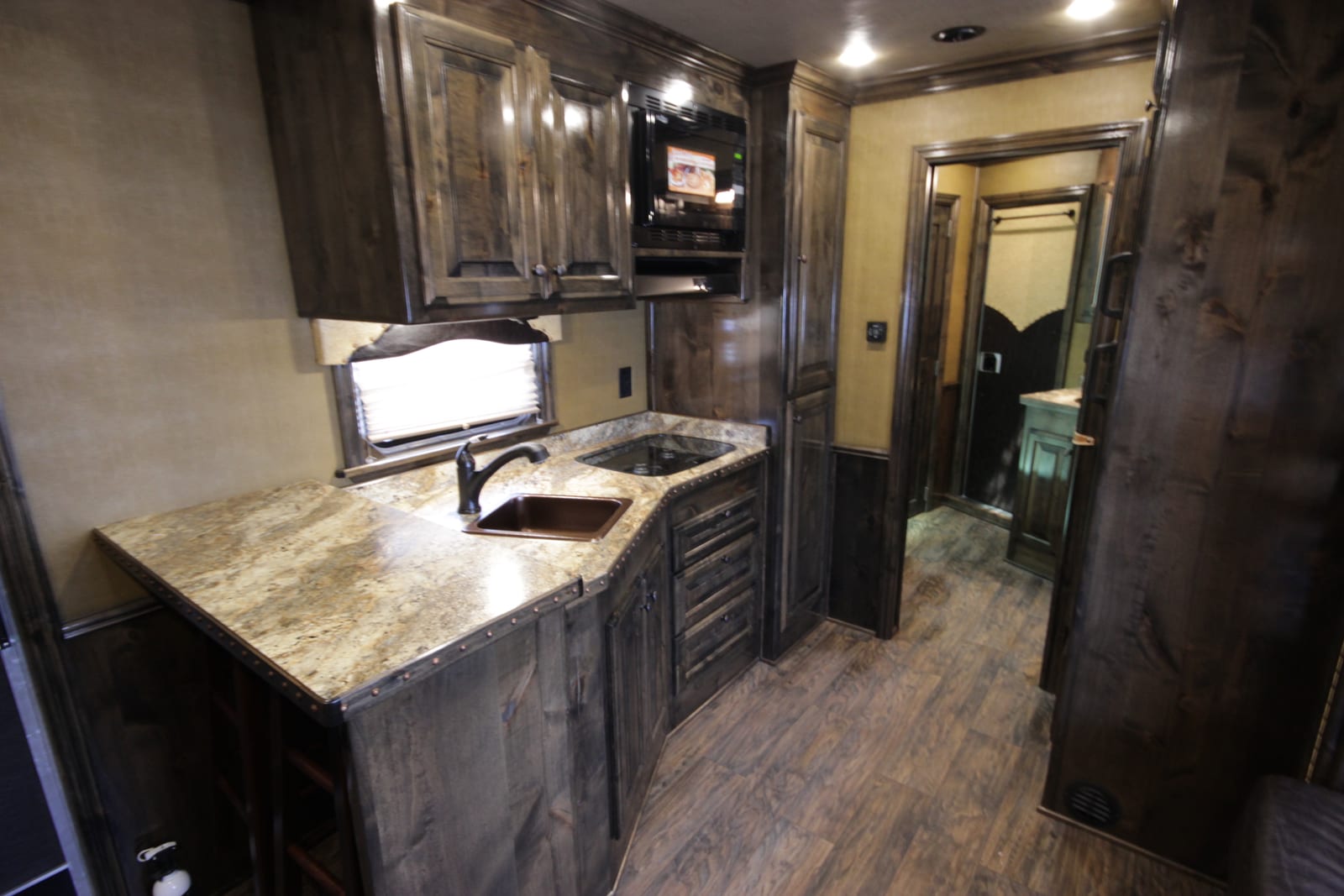
If your claim is denied and you believe the cause was genuinely sudden and accidental, you can appeal. An independent adjuster or a public adjuster can evaluate the claim and represent you in the dispute. These aren’t free, but on a large water damage claim the cost can be worth it.
Covered or not: common water-damage scenarios
The outcome of a water damage claim depends almost entirely on the cause. Here’s how the most common scenarios usually shake out under industry-standard policy language across major RV insurers:
| Scenario | Typically Covered? | Why |
|---|---|---|
| Hail breaks through the roof | Yes | Sudden, documented weather event; covered peril under comprehensive |
| Storm breach at a degraded seal | Maybe | Insurer may argue maintenance failure was primary cause; varies by adjuster and policy |
| Falling tree limb punctures roof | Yes | Sudden, accidental; standard comprehensive peril |
| Flash flooding, rising water | Yes, with comprehensive | Standard comprehensive peril; confirm your policy includes flood |
| Gradual seal degradation, slow seam leak | No | Maintenance failure; gradual damage; excluded at virtually every carrier |
| Condensation or poor ventilation moisture | No | Owner-controlled; classified same as maintenance neglect |
| Burst water line during active use, no freeze | Usually yes | Sudden, accidental plumbing failure if no evidence of prior deterioration |
| Frozen pipe from improper winterization | No | Maintenance failure; most carriers explicitly exclude freeze damage from neglect |
| Mold from long-term moisture | No | Excluded unless directly and immediately from a covered sudden event |
| Mold from a covered storm breach | Often yes, with sublimit | Treated as part of the storm loss; sublimits around $5,000 are common |
| Manufacturer defect causing water intrusion | No | Not an insurer’s liability; a warranty or manufacturer claim |
Extended warranties don’t fill this gap
If you’re hoping an RV extended warranty covers what insurance won’t, it doesn’t. Extended warranties cover mechanical breakdowns, not weather intrusion or structural water damage. Good Sam’s Extended Service Plan explicitly names water damage, mold, seals, and the roof in its exclusions list. That’s not unusual; it’s the industry standard.
There’s a narrow gap where a warranty can help: if a mechanical component fails and causes a water-adjacent problem, the warranty might cover the failed component itself. A burst water pump under warranty coverage might get the pump replaced. The water damage to the floor around it won’t be covered by the warranty, unless you specifically added a consequential damage option when you bought the contract. That add-on extends coverage to the secondary damage a covered mechanical failure causes, but it isn’t standard on most plans and has to be requested deliberately. Whether insurance picks up that secondary damage depends on whether a burst pump qualifies as a sudden, accidental event under your policy.
The full picture on warranty coverage and exclusions matters here, because the gap between what insurance covers and what a warranty covers is real. Neither product is designed to replace the other, and neither covers gradual water damage from maintenance neglect.
The bottom line on RV insurance and water damage
The short version: sudden and accidental water events are covered. Gradual water events are not. The line between them is drawn by the cause, not the result.
For the water damage claims most likely to actually arise on your RV, meaning slow leaks from degraded seals, soft decking from undetected moisture, and mold from poor ventilation, insurance provides no protection. Those are maintenance problems, and they’re yours to prevent. Annual roof inspections, regular resealing, and prompt attention when you spot early signs of moisture intrusion are what stand between you and a large RV water damage repair bill you’ll be paying entirely out of pocket.
For the claims that can be covered, storm damage, flood, sudden pipe failure, the key is documentation. Maintenance records, prompt reporting, pre-repair photos, and weather data turn an ambiguous claim into a defensible one.
Check your specific policy language and talk to your adjuster before assuming any scenario is covered. This page reflects how most major RV insurers apply these rules as of mid-2026, but policy terms vary and individual adjusters have discretion. What’s typical isn’t guaranteed.
Shopping for RV coverage?
Get quotes from a few providers before you decide. A service contract only pays off if it covers the failures your rig is actually prone to, at a price that beats paying out of pocket.