RV Subfloor Repair Cost: What to Expect in 2026
RV subfloor repair costs $100 to $900 for a DIY patch, $800 to $6,000 for a shop-repaired soft section, and up to $20,000 for a full-rig replacement with cabinetry removal. Here's what drives the range.
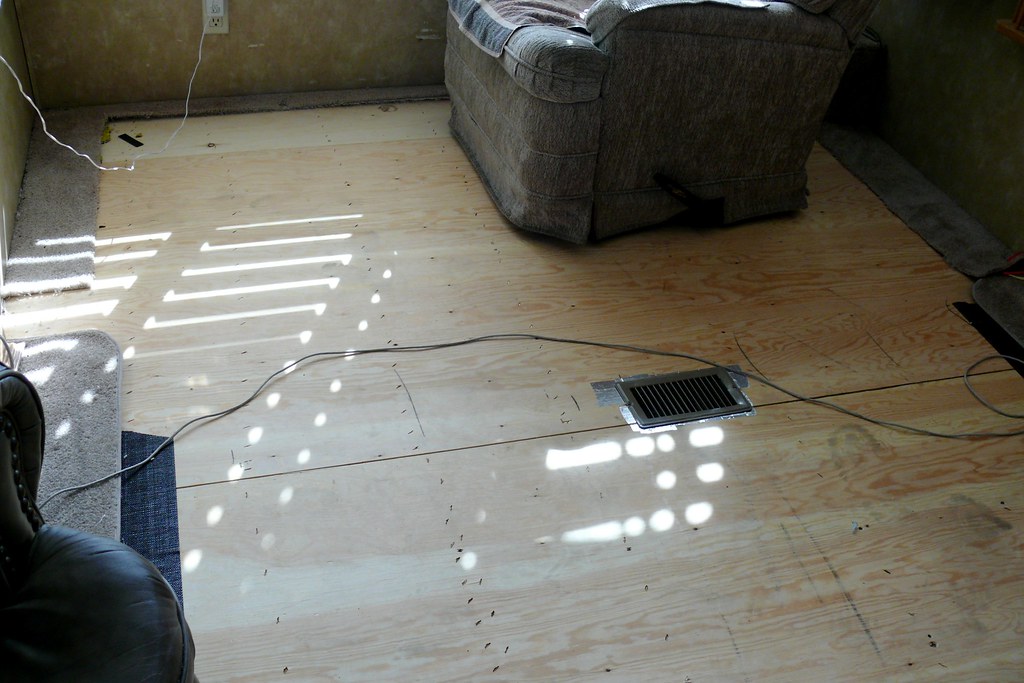
Typical cost
$100–$20,000
A small DIY epoxy or plywood patch runs $100-$900; a shop-repaired soft section typically lands $800-$6,000; full-rig subfloor replacement with cabinetry and fixture removal runs $6,000-$20,000 depending on the shell type
Most people pay around
$2,600
Costs verified July 2026
RV subfloor repair costs $100 to $900 in materials for a DIY patch, $800 to $6,000 at a shop for a localized soft section, and $6,000 to $20,000 for a full-rig replacement that involves pulling cabinets, appliances, and fixtures to reach the damage. The number that actually decides your bill isn’t the square footage of rot. It’s how much of the RV’s interior sits on top of the damaged section, since everything screwed down through the subfloor has to come out before anyone can fix what’s underneath it.
Why subfloor repair is a different job than floor repair
The vinyl or laminate you walk on is the finish layer. The subfloor is the structural plywood or OSB deck underneath it, screwed to the floor joists, and it’s what actually holds cabinets, appliances, and your own weight. Water doesn’t stop at the finish flooring. It moves down through the seams and settles into the subfloor, where an RV’s sealed underbelly gives it nowhere to evaporate to.
That’s the core problem with subfloor rot specifically, as distinct from a worn-out floor: by the time a soft spot is visible underfoot, the plywood has usually been wet for months. A two-foot soft area can hide a much larger rotten section once a shop actually opens it up, and mold follows moisture on almost exactly the same timeline.
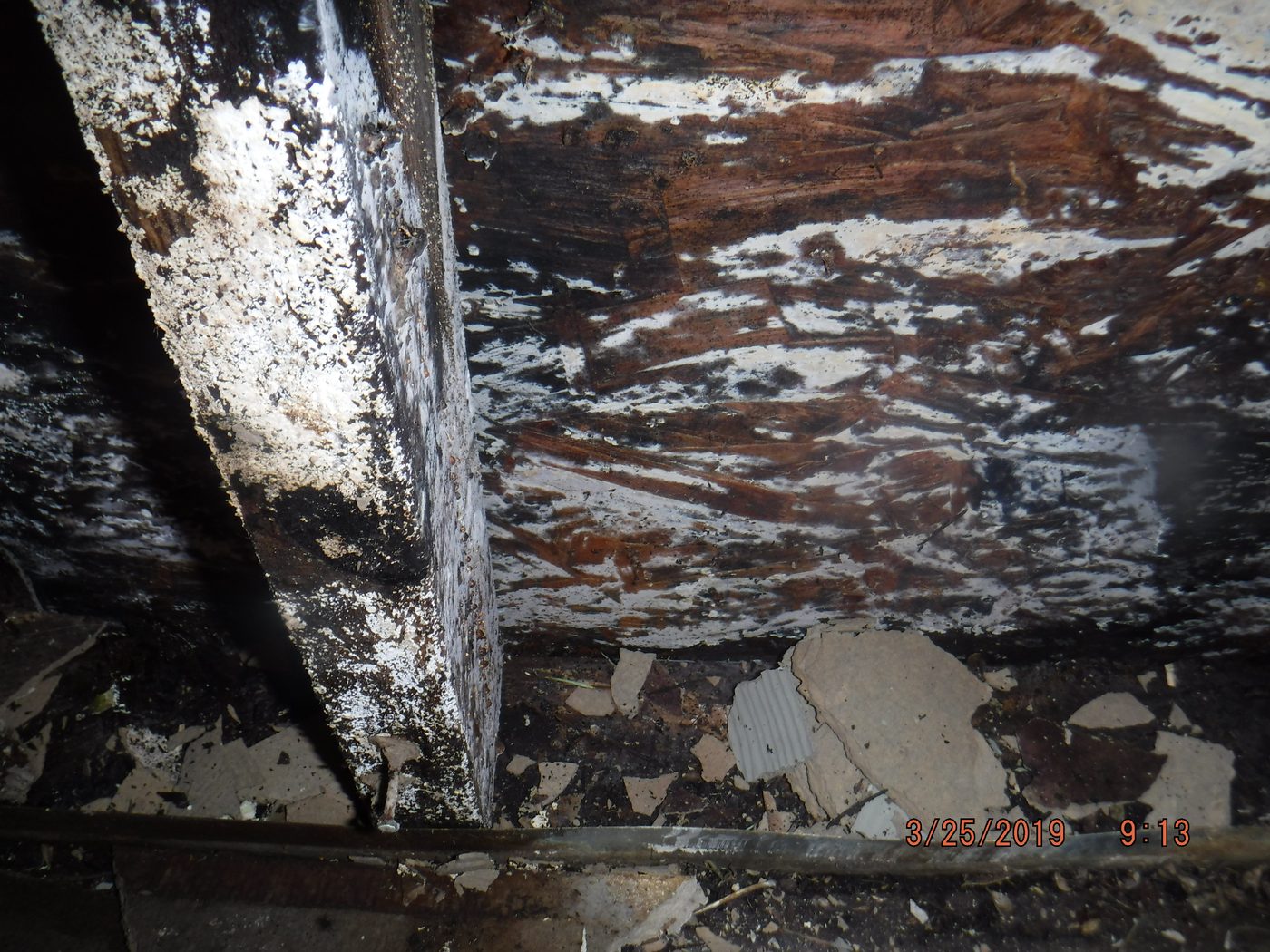
What a small patch costs versus a real teardown
DIY epoxy patch ($50-$250): For wood that’s punky but not fully rotted through, a two-part marine epoxy consolidant seals and hardens the fibers without cutting anything out. This works on small, early-stage soft spots and is genuinely a weekend project.
DIY plywood cutout ($200-$900): Real rot means cutting the damaged section out entirely, back to a joist, and screwing in new 3/4-inch plywood matched to the original thickness. Materials run a few hundred dollars for a typical travel trailer; the time cost is drying the area completely first, which can take a week or more depending on how saturated the wood got.
Shop spot repair ($800-$2,000): A shop pulls the surface flooring, confirms the extent with a moisture meter, cuts out the compromised subfloor, and replaces it. If the spot sits under a cabinet toe-kick or near a slide track, teardown labor adds to the bill even when the rot itself is small.
Shop partial replacement ($2,000-$6,000): Fifteen to forty square feet of rot, typically requiring joist inspection and sometimes sistering, plus real teardown time if cabinets or a slide sit over the affected area. One owner’s quarter-floor replacement on the rear of a 2008 25-foot trailer, including full fixture removal, came to $6,000 in labor alone.

Full-rig replacement ($6,000-$20,000): This is where shell construction changes everything. A conventional stick-and-tin trailer with extensive rot runs toward the lower end of this range. A riveted-aluminum-shell trailer, an Airstream being the obvious example, needs far more careful disassembly to reach the subfloor, and one specialty shop quoted a full replacement at $10,000, more likely $20,000 once the real scope was assessed.
What actually drives the labor bill
Labor, not material, is the number that swings a subfloor quote the most. One documented job ran roughly 30 hours: pulling the old flooring, cutting out rotten wood, replacing compromised joists and wall framing, installing new plywood, and laying new finish flooring back down. At a typical shop rate of $100-$150 an hour, that’s $3,000-$4,500 in labor before a single sheet of plywood is counted in materials.
Shop rates vary more than most owners expect. Handymen and independent contractors run $50-$75 an hour. Dealer service departments commonly charge $100-$150, and some larger dealers or higher-cost markets bill as much as $250. An independent RV-specialty shop, one with real experience around slide tracks and cramped underbelly access, tends to land in the middle of that range and is often the better value than a dealer for this specific kind of carpentry.

How to tell if it’s a patch job or a real problem
Press on the floor with your foot in every corner, along cabinet toe-kicks, around the toilet and shower, and near every exterior wall with a window. Any give, sponginess, or a slightly different feel than the surrounding floor is worth investigating with a screwdriver probe or a moisture meter before you assume it’s minor.
A moisture meter reading below 15% in the subfloor generally means the area has dried out and a surface-level repair is reasonable. A reading above 20% means water is still present, and closing that area up now just traps moisture and speeds up rot instead of stopping it. This is the single most common DIY mistake: sealing a soft spot back up before it’s actually dry, which turns a $200 patch into a $2,000 job a year later.
Does insurance cover subfloor rot?
Occasionally, and the distinction is the same sudden-versus-gradual line that governs most RV water damage claims. A burst freshwater line or a storm that breaches a roof seal and lets water in fast is typically a covered comprehensive claim. A slide seal that’s been slowly weeping for two seasons, or a roof seam that was never resealed on schedule, gets classified as wear, tear, and deferred maintenance, and adjusters deny those consistently.
Before assuming a claim is worth filing, check the full guide on whether RV insurance covers water damage for documentation tips and what an adjuster actually looks for when deciding which category your damage falls into.
Fix the leak, not just the floor
Replacing a rotted subfloor without finding and sealing the actual water source is money spent twice. The new plywood will rot exactly the same way the old plywood did, on the same timeline, if the leak that caused it is still active. Before any subfloor repair, real or planned, trace the water back to its entry point: a roof seam, a vent collar, a window or door gasket, or a slide-out seal are the most common culprits.
The roof repair guide and the water damage repair guide both cover the upstream side of this problem. A $300 roof reseal now is genuinely cheaper insurance against a $4,000 subfloor job than anything you can do to the floor itself. If the same rig also shows chassis rust or a frame that feels like it flexes on rough roads, the frame repair guide is worth a look too, since frame rust and subfloor rot often share the exact same leak as their root cause.
Comparing subfloor cost to a full floor replacement
This guide covers the structural layer specifically: the plywood deck itself, separate from the vinyl, laminate, or carpet finish on top of it. If you’re trying to budget for the whole job, finish flooring and subfloor together, the RV floor repair cost guide covers that combined scope, including material choices like luxury vinyl plank versus laminate and what a full structural floor rebuild runs when both layers need replacing at once.
What drives the price
| Cost factor | How it moves the price |
|---|---|
| How much sits on top of the damaged section | Cabinets, appliances, toilets, and slides are screwed down directly through the subfloor. One owner reported replacing about a quarter of the subfloor in the rear of a 2008 25-foot trailer, including removing every fixture in the way, for $6,000 in labor alone before materials. A soft spot in an open hallway costs a fraction of the same square footage under a bathroom. |
| Material cost per square foot | General construction subfloor material runs $1-$4 per square foot: OSB at $1-$1.50, standard CDX plywood at $1.50-$2, marine-grade plywood at $3-$4. RVs typically use 3/4-inch plywood matched to the original thickness, running $44-$85 a sheet for construction grade or $70-$140 for marine grade, plus thin lauan underlayment beneath the finish flooring in many builds. |
| Labor hours | One documented subfloor job ran roughly 30 hours: removing the old flooring, cutting out rotten wood, replacing compromised floor joists and wall framing, installing new plywood, and laying new finish flooring on top. At $100-$150 an hour, that's $3,000-$4,500 in labor before materials are counted. |
| Labor rate by shop type | Handymen and independent contractors charge $50-$75 an hour. Dealer service departments commonly bill $100-$150, with some markets and larger dealers running as high as $250. A shop quoting a subfloor job needs both carpentry skill and RV-specific experience with slide tracks and cramped access, which is part of why RV-specialty labor rates run higher than general handyman work. |
| Mold and structural framing involvement | A moisture meter reading above 15-20% in the subfloor or wall means the area hasn't dried out, and any repair done before that point traps moisture and accelerates rot. Damage that has reached floor joists or wall framing, not just the plywood deck, roughly doubles the scope versus a deck-only repair, since joists and framing take real time to sister or replace in a cramped underbelly. |
| Shell type and access | A riveted-aluminum-shell trailer takes far more careful disassembly to reach the subfloor than a conventional stick-and-tin build. One Airstream-specific repair shop quoted a full subfloor replacement at $10,000, more likely $20,000 once the actual scope was assessed, well above the $6,000 quarter-floor job reported on a conventional trailer with comparable damage. |
| Root cause: is the leak actually fixed | A rotten subfloor is almost always the downstream result of water intrusion, a failed roof seal, a leaking window or door gasket, a bad slide-out seal, or a plumbing leak. Replacing the subfloor without finding and fixing the source is wasted money: the new wood rots exactly the same way the old wood did. |
DIY or hire a pro?
- Cost
- $50-$900 in materials depending on scope
- Time
- A few hours for a small epoxy patch; a weekend to a week for a cut-and-replace plywood section
- Skill
- Beginner for an isolated patch with no rot spread; intermediate once floor joists or wall framing are involved
Find and fix the water source first. Everything after that is wasted effort if the leak is still active. Walk the full floor and probe every suspicious area with a screwdriver; any give, sponginess, or discoloration marks the extent of the damage, and it usually runs further than what's visible from the surface. For a small area where the wood is punky but not fully rotted through, a two-part epoxy wood consolidant seals and hardens the fibers, no cutting required. For real rot, cut back to a joist or solid framing member with a handsaw or circular saw, pry out the compromised section, treat any mold with a borax solution (about a cup of borax to a gallon of hot water, roughly $8 in materials), and let everything dry completely, which can take a week or longer depending on how saturated the wood was. Cut new 3/4-inch plywood to match the original thickness exactly, so the finish flooring sits flush, and secure it with wood glue and screws into the joists.
What you'll need
- 3/4-inch plywood, matched to the original subfloor thickness
- Two-part epoxy wood consolidant (marine-grade, for punky wood that isn't fully rotted)
- Wood moisture meter (affiliate)
- Borax or commercial mold treatment solution
As an Amazon Associate, we earn from qualifying purchases.
- Cost
- $800-$20,000 depending on how much has to come apart to reach the damage
- Time
- 1-3 shop days for a spot repair; 1-3 weeks for a full replacement with cabinetry and fixture removal
- Booking
- Get an itemized quote that separates teardown, drying time, material, and reassembly
A shop's real value on subfloor work is diagnosis, not just carpentry: moisture meters and, on bigger jobs, thermal cameras to map how far the damage actually spreads before anything gets cut open. Expect the shop to pull surface flooring first, probe with a meter, and only then give you a real scope, since a subfloor quote given before the surface comes up is a guess. Ask specifically whether floor joists and wall framing will be inspected, not just the plywood deck, and whether the estimate is a fixed price or subject to change once panels come off. Water damage repairs routinely expand mid-job once a shop finds the leak tracked further than the surface staining suggested.
Will insurance or a warranty cover it?
- RV insurance may cover this when the cause is a covered peril (storm, collision, fallen tree), not gradual wear or neglect.
- This is usually out of pocket. Standard policies treat it as wear and maintenance. A service contract bought before it fails is the main way to shift the risk.
Sudden, accidental water intrusion, a burst freshwater line or a storm that breaches a roof seal, can be covered by comprehensive RV insurance. Gradual rot from a slow leak, a slide seal that was known to weep, or deferred caulking maintenance falls under the standard maintenance exclusion, and insurers deny those claims consistently because they represent owner responsibility rather than a covered peril. The practical test an adjuster applies is whether the damage was sudden and accidental or the result of wear, tear, and neglect over time, and most subfloor rot lands in the second category.
Coverage depends on your policy and the cause of damage. Confirm specifics with your provider.