RV Floor Repair Cost: What to Expect in 2026
RV floor repair costs $200 to $12,000 depending on whether you're patching a soft spot or rebuilding a rotted subfloor. Here's what each repair scope actually runs.
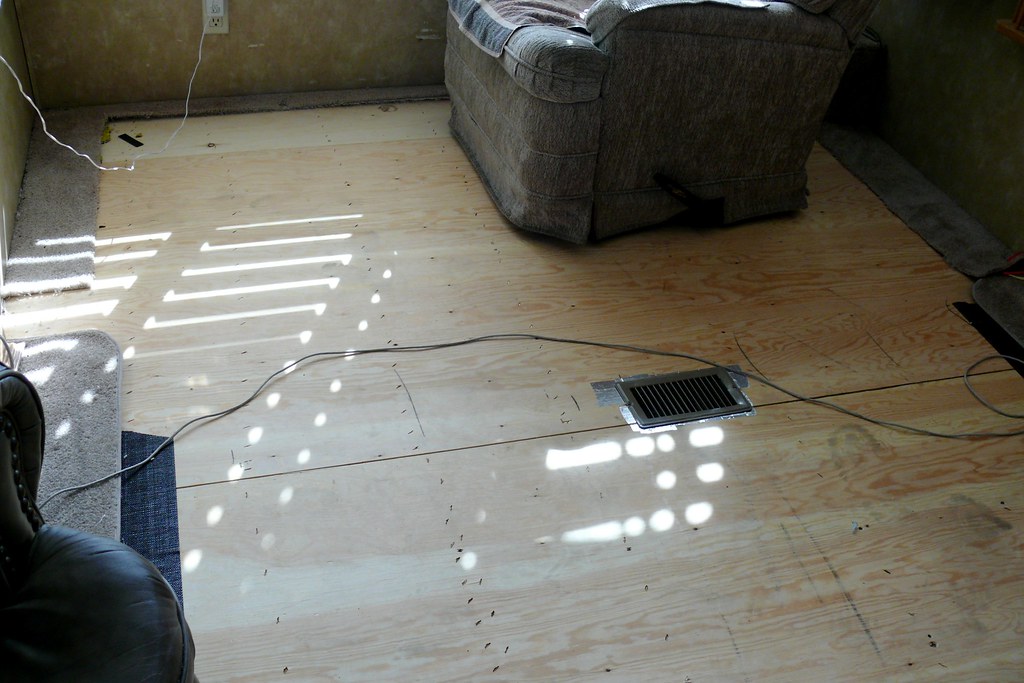
Typical cost
$200–$12,000
Most owners spend $800–$4,500; surface-only flooring replacement runs $800–$2,500, while subfloor rot repair ranges $2,000–$7,000 at a shop
Most people pay around
$2,800
Costs verified June 2026
Most RV floor repairs run $800 to $4,500. Surface flooring replacement at a shop costs $800–$2,500 for a typical travel trailer. Subfloor rot repair starts around $2,000 for a small localized area and climbs past $7,000 when damage runs under cabinets, appliances, or slides. A full structural floor rebuild can reach $10,000–$12,000. The number you’ll pay depends almost entirely on one question: did the water get through the vinyl and into the plywood?
Why does RV floor repair cost so much when damage goes deep?
The surface flooring you walk on is just the finish layer. Beneath it sits a plywood or OSB subfloor, then insulation, then the structural frame. Water moves down through all of it.
An RV subfloor has no air circulation path from below. Once plywood gets wet inside an enclosed underbelly, it stays wet. Wood that stays wet rots, and rot spreads laterally through the panel. A two-foot soft spot can hide a four-foot rotten section by the time a shop opens it up. Shops often report supplements mid-job when they find the actual damage extent.
Labor is the second cost driver. Subfloor work in an RV requires removing everything sitting on the floor. Cabinets are screwed down through the subfloor. Appliances, toilets, and shower pans all need to come out. A 30-hour subfloor job at $150/hr is $4,500 in labor before a single piece of plywood is purchased. One complete floor replacement with full disassembly and reassembly ran nearly $7,000 in labor and materials combined. Another owner reported a shop quote of $6,000 in labor alone for subfloor work, not including the surface flooring install on top.
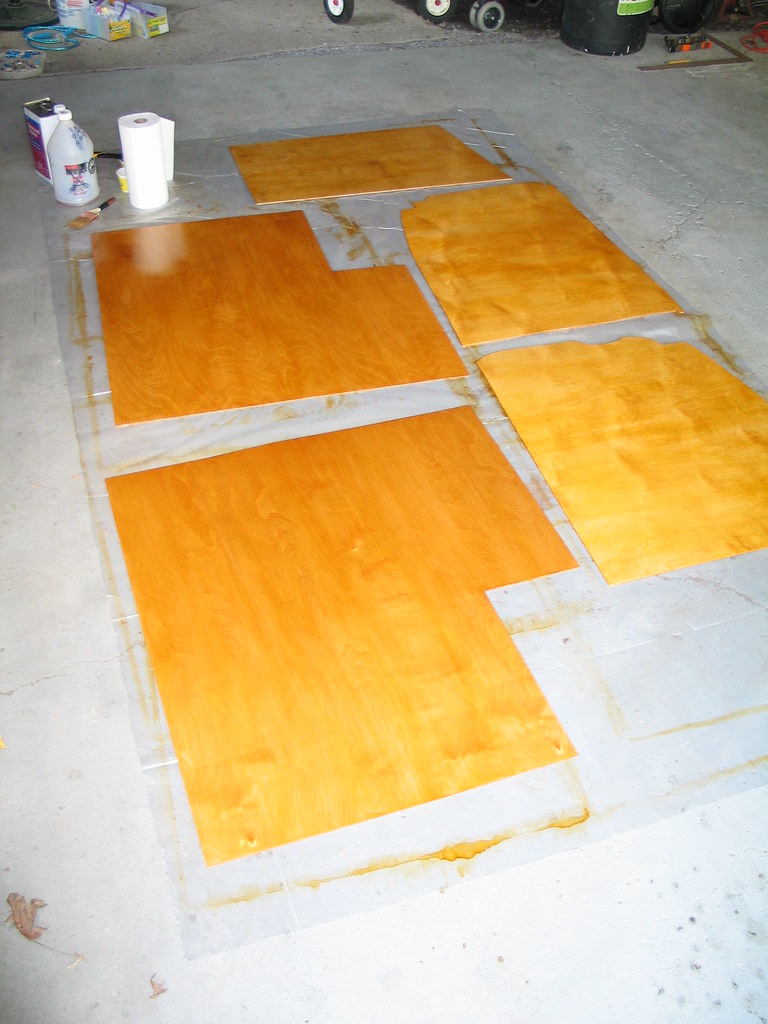
What you’ll pay by repair scope
The severity of damage is the biggest cost determinant. These tiers reflect what owners and shops actually report:
Small soft-spot patch ($50–$300 DIY, $400–$1,500 shop): A localized area, a foot or two across, where the subfloor plywood has softened but the framing below is intact. DIY owners inject two-part epoxy into the void or screw a plywood patch over the weak zone. A shop charges for teardown, assessment, drying, and the repair itself. If the soft spot sits under cabinets or a slide, add teardown labor, and the total can push past $2,000 once everything has to come out and go back in.
Surface flooring replacement ($800–$2,500 shop, $400–$900 DIY materials): The subfloor is structurally sound but the surface vinyl or laminate is worn, delaminating, or cosmetically damaged. A California RV shop quoted $3,800 installed for a 20-foot rig and $5,300 for a 30-footer, vinyl panels all-in. Owners doing it themselves with click-lock LVP typically spend $400–$900 in materials for a travel trailer and a weekend of time.
Partial subfloor replacement ($2,000–$5,000): Water reached the plywood and rotted a meaningful section, say 15–40 square feet, but the framing beneath is repairable. The shop pulls the surface flooring, cuts out the rotten panels, dries the framing, treats for mold, sisterns damaged joists if needed, and installs new plywood before any finished flooring goes down. One DIY rear subfloor replacement cost the owner $2,000 in materials alone doing all the labor themselves.
Full structural floor rebuild ($5,000–$12,000+): Rot has spread across most or all of the floor, into the framing, and possibly into the lower wall sections. At this scale, shops are effectively rebuilding the floor system. A shop quote reported by one owner for full floor rot remediation was $14,000. Another owner reported the same scope would have cost them over $10,000 professionally, so they spent months doing it themselves. The math on a rig’s resale value becomes relevant here.
Timelines track roughly with scope. Surface flooring at a shop takes 2 to 6 days; subfloor work with teardown and reassembly runs 5 to 14 shop days. DIY projects take roughly twice as long, since the work is unfamiliar and the structural drying window can’t be rushed. Shops are commonly booked 2 to 6 weeks out before they even start, especially in spring and summer, so factor scheduling into any repair-now-versus-wait decision.
Cost by flooring material type
The material you choose for the surface layer affects price and long-term performance differently:
| Flooring Material | Material Cost/Sq Ft | Water Resistance | DIY Difficulty | Notes |
|---|---|---|---|---|
| Luxury vinyl plank (LVP) | $4.50–$5.00 | Excellent | Easy (click-lock) | Best all-around for RVs; light, waterproof, forgiving |
| Sheet vinyl / linoleum | $3.00–$4.50 | Good | Moderate | One-piece install reduces leak risk; harder to cut cleanly |
| Laminate | $3.00–$4.00 | Poor | Easy | Swells with moisture; not recommended for wet climates or leaky rigs |
| Tile / LVT | $6.50–$7.00 | Excellent | Hard | Adds significant weight; grout lines trap moisture |
| Carpet | $2.00–$4.00 | Poor | Easy | Hides soft spots and moisture; not a good choice near slide seals or bath areas |
| Engineered hardwood | $7.00–$8.00 | Fair | Moderate | Looks premium; warps with humidity swings common in RVs |
LVP is the recommendation shops give most often for RV replacements. It’s the lightest hard-surface option, handles the humidity and temperature swings RVs see, and click-lock installation means no adhesive that traps moisture beneath the floor.
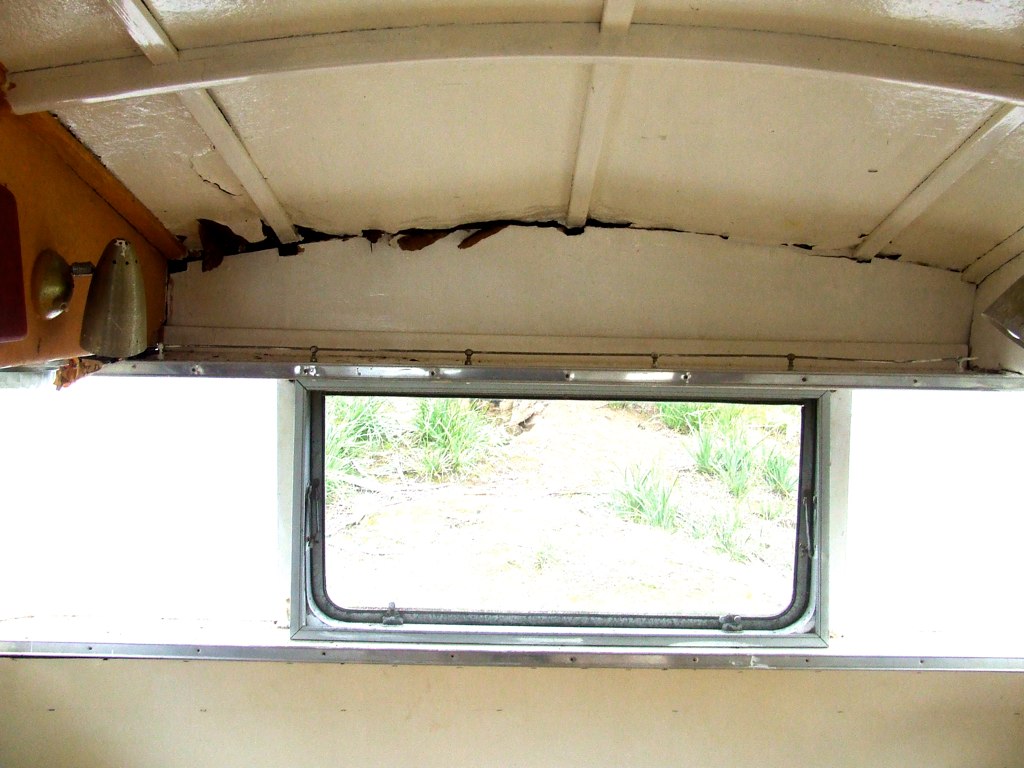
DIY vs. hiring a shop
Surface flooring replacement is genuinely accessible to owners with basic tools and a weekend. Pull the old material, address any minor subfloor imperfections, install click-lock LVP, trim edges. Material savings over a shop install run $400–$1,200 on a typical travel trailer.
Subfloor work shifts the math. Cutting out rotten plywood in a cramped underbelly, assessing whether joists need sistering, managing the drying window (at least a week before new material closes the structure), and reinstalling everything correctly takes carpentry skills that most owners don’t have. Mistakes here mean trapped moisture and a second repair job. The rough consensus from RV forums: surface flooring DIY, yes. Soft subfloor with structural framing, hire it out or be very confident in your skills.
One useful intermediate: do the prep yourself. Removing furniture, cabinets, and appliances before a shop visit saves $500–$1,200 in labor. Most shops will quote work with owner-provided teardown.
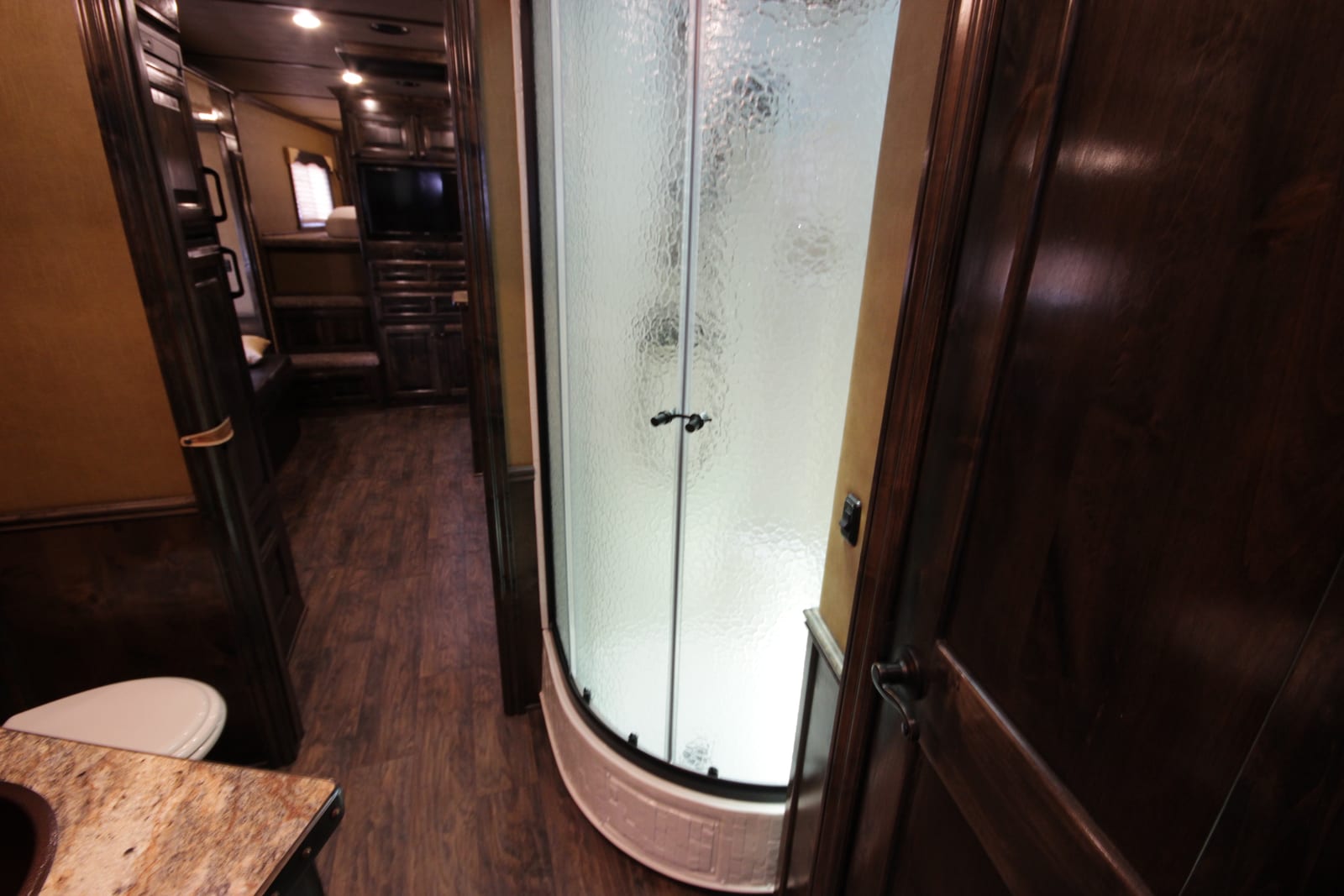
Root cause: most floor rot starts above the floor
This is worth saying plainly because it changes how you think about prevention. The floor itself rarely fails from below. Water gets in from above, through a failed roof seam, a dried-out vent collar, a deteriorated window seal, or a weeping slide-out gasket. It runs down the wall interior and pools under the flooring where no one sees it. By the time you notice a soft spot, water has been working on the subfloor for months.
That means the roof repair guide and the water damage guide are upstream of this one. A leak you fix for $300 on the roof prevents a $4,000 floor job. Every roof resealing visit is floor insurance.
If you’ve already found soft spots and know there was a leak, the water damage repair guide covers the full remediation scope including walls and insulation, which often travels with floor rot. And if you’re trying to figure out whether a claim is worth filing, the insurance coverage guide explains exactly what sudden versus gradual damage means to an adjuster.
What the insurance question actually comes down to
Comprehensive RV insurance covers sudden, accidental water intrusion. A burst freshwater line, a storm that breaches a seal, a hail impact that opens the roof: file the claim, document everything before touching it, and let the adjuster assess.
Gradual water damage is a different outcome. A slow drip from a vent collar that’s been seeping for two seasons, rot that developed from deferred caulking maintenance, a slide seal that was known to weep: these are maintenance exclusions. Insurers deny them consistently because they represent owner responsibility, not a covered peril. The standard language is “sudden and accidental” versus “wear, tear, and neglect.” Floor rot almost always falls into the second category.
If you’re in warranty territory rather than insurance, see the warranty and insurance hub for what extended service plans actually cover on water-related interior damage.
How to hold the cost down
Catch it early. A soft spot found the same season it started is a $400–$800 shop repair or $100 DIY fix. The same spot found three seasons later is a $3,000 job minimum once the damage has spread to adjacent panels and framing.
Press on your floor twice a year in the areas most exposed to water entry: around the toilet and shower, along the slide-out tracks, in front of entry doors, and at the base of any exterior wall with a window. A soft flex underfoot that wasn’t there before is the signal.
Get on the roof in the same inspection. Check every seam, vent collar, and AC flange for cracked or separated sealant. The $15 tube of Dicor lap sealant and 30 minutes twice a year is the cheapest floor repair you’ll ever do.
When getting shop quotes, ask for a line-item breakdown separating teardown labor, drying time, subfloor material and labor, and surface flooring material and labor. A single lump-sum quote gives you no leverage if the scope changes mid-job, which it often does with water damage.
What drives the price
| Cost factor | How it moves the price |
|---|---|
| Area affected (square footage) | Shops charge $25–$30/hr for subfloor labor; material runs $4.50–$8/sq ft for vinyl or plywood. A 20-sq-ft soft spot and a 200-sq-ft full floor are fundamentally different jobs. Replacing only the damaged area saves 50–70% versus a full floor pull. |
| Subfloor vs. surface damage | Surface flooring alone (vinyl plank, laminate) costs $800–$2,500 installed. Once water has rotted the plywood subfloor beneath it, the job doubles or triples. A shop quoting 'floor repair' without pulling up the surface first cannot give you a reliable number. |
| Cause: water, rot, or wear | Worn surface flooring is a cosmetic job. Active rot from a leak means drying time (minimum one week before new material goes down), possible mold remediation, and often adjacent wall damage. Shops that find wet framing mid-job will supplement the estimate. |
| Flooring material selected | Luxury vinyl plank (LVP) runs $4.50–$5/sq ft and installs over most surfaces with click-lock. Laminate is $3–$4/sq ft but poorly suited to RV moisture swings. Tile is $6.50–$7/sq ft and adds significant weight. Carpet runs $2–$4/sq ft installed. |
| Furniture, appliances, and slide removal | Cabinets, appliances, toilets, and slides that sit on the floor must come out before any subfloor work. Shops charge for teardown and reassembly. One complete floor replacement with full disassembly came to nearly $7,000 in labor and materials combined. |
| DIY vs. shop labor | Handymen charge $50–$75/hr; dealer service departments charge $150–$225/hr. The same subfloor repair can cost $2,000 in materials DIY or $6,000–$8,000 at a dealer. Surface flooring is genuinely DIY-friendly. Subfloor rot with structural framing damage is not. |
| Region and shop type | A vinyl panel install quoted at $3,800 for a 20-foot rig in one market runs $5,300 for a 30-footer. Coastal and urban markets add 25–40% to labor. Mobile RV technicians typically undercut dealer service rates by 20–30% for the same job scope. |
DIY or hire a pro?
- Cost
- $50–$1,500 in materials depending on scope
- Time
- A weekend for surface work; 1–2 weeks for subfloor
- Skill
- Beginner to intermediate
Surface flooring replacement (vinyl plank, sheet vinyl, laminate) is legitimately beginner-friendly. Click-lock LVP goes down fast, tolerates minor subfloor imperfections, and costs $4.50–$5/sq ft in materials. Small soft-spot patches using epoxy resin and plywood can cost under $50. Where DIY hits its limit: when the subfloor plywood is rotten through, when framing joists are compromised, when walls have absorbed water, or when a slide track sits over the damage. Structural subfloor repair in an RV is cramped, awkward, and unforgiving if done wrong.
What you'll need
- Luxury vinyl plank (LVP) flooring, click-lock (affiliate)
- 3/4-inch plywood subfloor panel
- Two-part epoxy wood hardener and filler
- Moisture meter for wood
As an Amazon Associate, we earn from qualifying purchases.
- Cost
- $800–$12,000 depending on damage scope
- Time
- 1–5 shop days; scheduling often 2–6 weeks out
- Booking
- Get at least two written quotes
A shop is the right call when the subfloor is soft anywhere underfoot, when you can smell mildew in the floor, or when the damage runs under cabinets or slides. Shops will pull the surface, assess moisture with a meter, dry the structure before closing it up, and give you the real scope in writing. Get line-item estimates, not a single lump sum, so you know what you're paying for teardown, material, and reassembly separately.
Will insurance or a warranty cover it?
- RV insurance may cover this when the cause is a covered peril (storm, collision, fallen tree), not gradual wear or neglect.
- This is usually out of pocket. Standard policies treat it as wear and maintenance. A service contract bought before it fails is the main way to shift the risk.
Sudden-peril water damage (burst pipe, storm intrusion) may be covered by comprehensive RV insurance; gradual rot from slow leaks or deferred maintenance is a maintenance exclusion and is not covered.
Coverage depends on your policy and the cause of damage. Confirm specifics with your provider.