RV Tire Replacement Cost: What to Expect in 2026
RV tire replacement costs $90-$250 per tire on a travel trailer, $170-$450 on a Class B or C, and $270-$700+ on a Class A. Here's what drives the price.
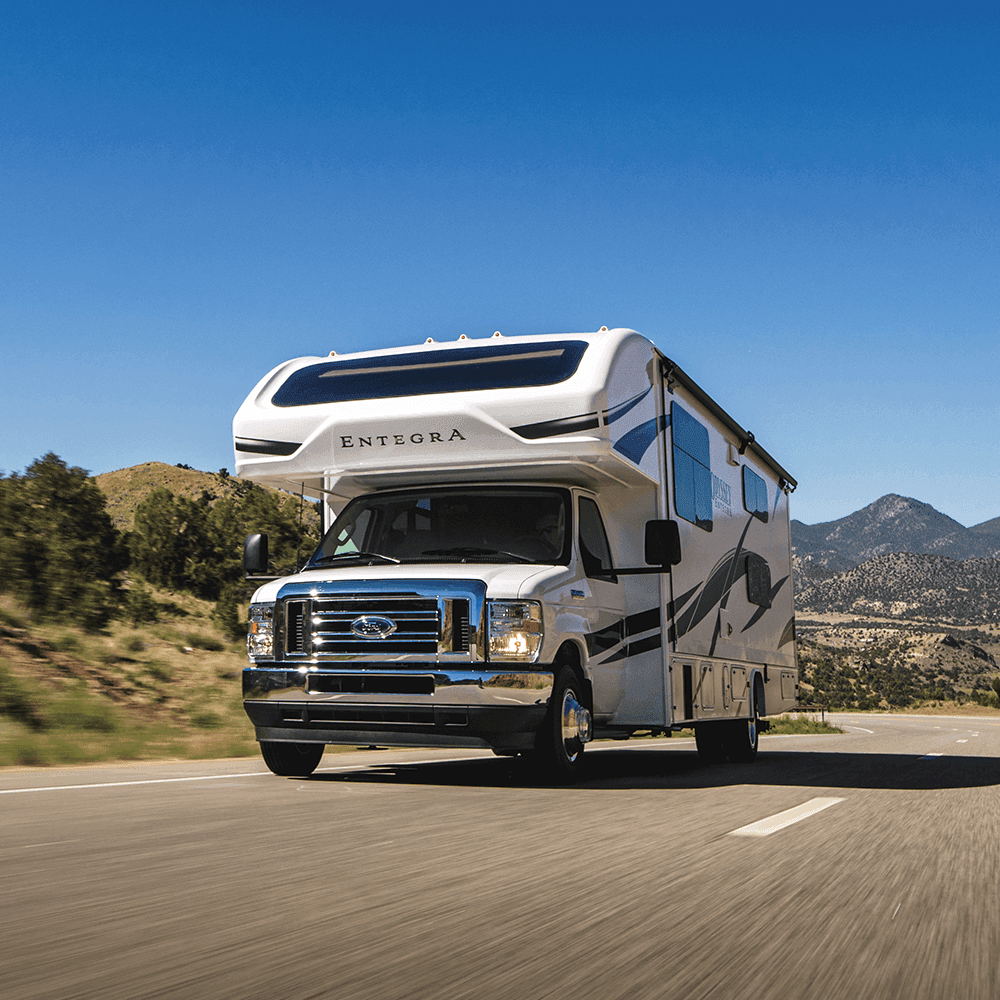
Typical cost per tire
$90–$1,200
Travel trailer and fifth-wheel ST tires run $90-$250 each; Class B and Class C tires run $170-$450; Class A tires run $270-$700+, with premium 22.5-inch commercial tires topping $1,000
Most people pay around
$350
Costs verified July 2026
RV tire replacement costs $90 to $250 per tire on a travel trailer or fifth wheel running ST-rated tires, $170 to $450 per tire on a Class B or Class C motorhome, and $270 to $700-plus per tire on a Class A coach running 19.5 or 22.5-inch commercial tires. Push into premium Michelin territory on a big diesel pusher and a single tire can top $1,000. The number that actually catches most owners off guard isn’t the price. It’s that RV tires often need replacing on a calendar, years before the tread ever wears flat.
Why RV tires don’t price like car tires
Ask a tire shop for “four RV tires” and the quote depends entirely on what kind of RV you drove in with. A travel trailer or fifth wheel rides on ST tires: Special Trailer tires, built with a stiffer sidewall to handle side-loading in turns and rated for a specific weight, but with no requirement to handle steering or drive torque because nothing powers or steers them. They’re genuinely cheaper to build.
A motorized RV is different. Its front tires steer, its rear tires (or dual rears on a Class A) carry drive torque and braking load, and the whole vehicle behaves more like a commercial truck than a trailer. So Class B and Class C rigs run LT (Light Truck) tires, and larger Class A coaches run full 19.5 or 22.5-inch commercial truck tires, the same category used on delivery trucks and small buses. That’s not a marketing distinction. It’s why a 15-inch ST tire costs a third of what a 22.5-inch commercial tire costs, size difference aside.
What a travel trailer or fifth-wheel tire actually costs
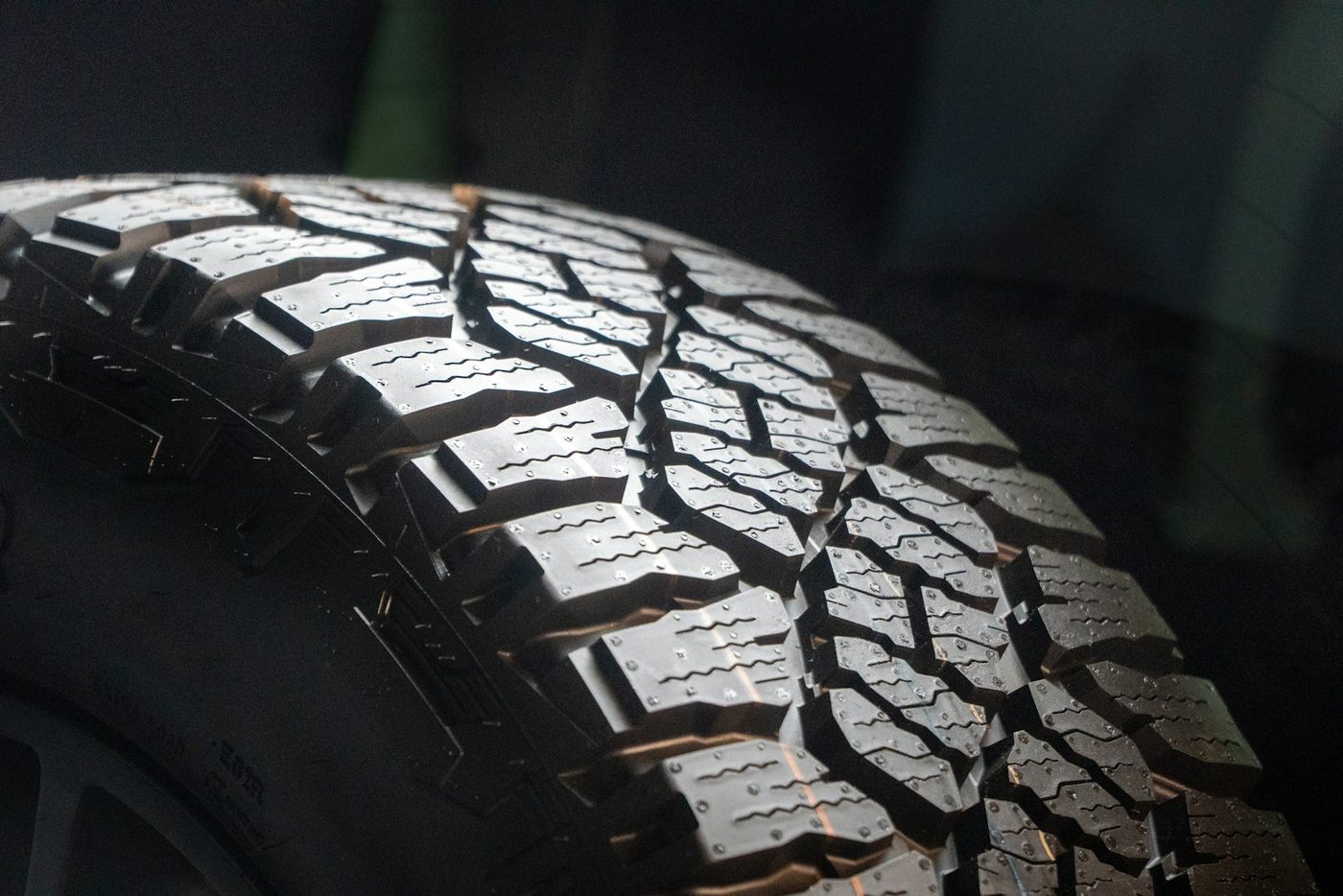
Budget-tier ST tires like the Carlisle Radial Trail HD run $90 to $170 depending on ply rating and retailer, with an 8-ply ST225/75R15 landing around $99-$140 at Walmart and a 10-ply version running closer to $140-$158 elsewhere. Provider, a common house-brand option sold through etrailer and AAA Trailer, prices similarly, around $140-$168 for a Load Range D ST205/75R15.
Step up to Goodyear Endurance, the tire most owner forums and RV techs converge on as the value leader, and a Load Range D ST205/75R15 runs about $175.53. Maxxis M8008 sits in a similar band. Neither is dramatically more expensive than the budget options, and both have a stronger reputation for resisting the sidewall failures that plague cheaper ST tires under heat and load.
| Tier | Example | Typical price per tire |
|---|---|---|
| Budget | Carlisle Radial Trail HD, Provider | $90-$170 |
| Mid / value leader | Goodyear Endurance, Maxxis M8008 | $150-$290 |
Bigger ST sizes (ST225, ST235) used on heavier fifth wheels and toy haulers run higher within each tier, and Load Range E versions cost more than the same size in Load Range D. The size and load range on your VIN sticker or door placard, not the trailer’s overall length, determines which of these you’re actually shopping for.
What Class B and Class C tires cost
Class B camper vans and Class C motorhomes ride on LT tires sized closer to a heavy-duty pickup truck’s, and pricing reflects that middle ground: $170 to $450 per tire depending on size and brand. A smaller Class B on a Mercedes Sprinter or Ford Transit chassis tends toward the lower half of that range; a larger Class C on an E-450 or similar chassis, especially with dual rear wheels, tends toward the upper half. Michelin, Continental, and Bridgestone all sell LT-rated lines in this category, and the spread between a budget LT tire and a premium one is narrower than it is on the ST or commercial side.
What Class A motorhome tires cost, and why they get expensive fast
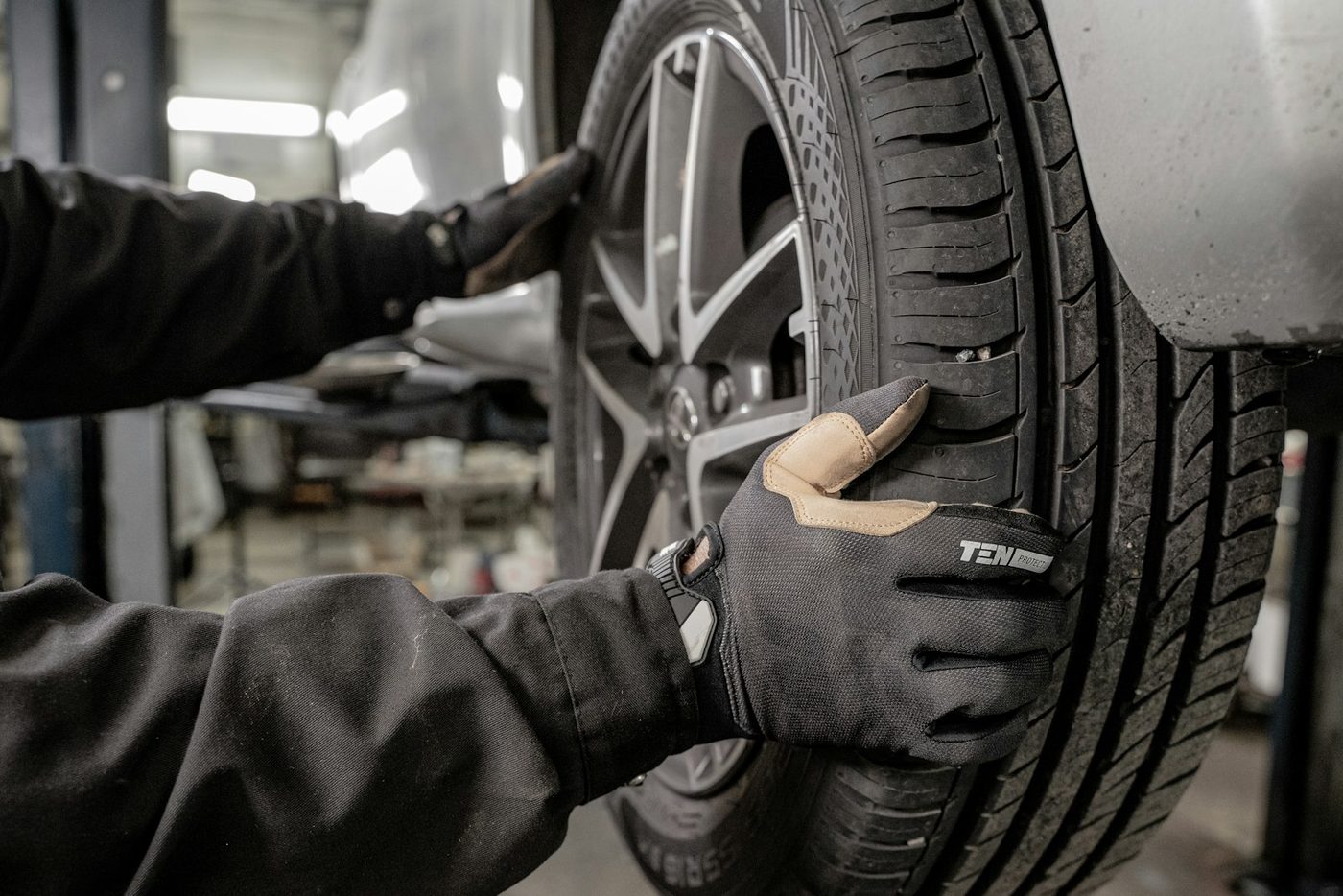
This is where the budget really moves. Class A coaches run 19.5 to 22.5-inch commercial truck tires, and mainstream options in that category run $270 to $700 per tire. Michelin’s XZE and XRV lines, the tires most full-time Class A owners specifically ask for by name, push well past that: a 305/70R22.5 Michelin XRV runs around $1,135 per tire at retail, and even the smaller 255/80R22.5 size runs about $737. A 6-tire Class A coach (steer axle plus dual rear wheels) on premium Michelins can mean a $4,000-$7,000 total tire bill, which is a real number to plan for on a rig that might otherwise feel like it’s running fine.
The gap between “mainstream commercial” and “Michelin premium” isn’t just brand loyalty. Full-timers who put real highway miles on a Class A tend to value tread life and heat resistance enough to pay for it, since a blowout on a coach carrying a house’s worth of cargo is a much bigger deal than a blowout on a passenger car.
Mounting, balancing, and getting the tire onto the rig
Buying the tire is step one. Getting it mounted, balanced, and back on the RV is a separate line item unless a shop’s price already includes it. Discount Tire, a common stop for trailer tire work since RV-specific shops aren’t everywhere, charges roughly $21 to $33 per tire to mount and balance a tire bought elsewhere, plus a small disposal fee for the old one.
Class A tires complicate this further. Not every tire shop has a bay tall enough for a motorhome or a machine rated for a 22.5-inch commercial tire, and dual rear wheels take longer to pull and reinstall correctly than a single wheel position. That’s the gap mobile RV tire services fill: a technician comes to a campground, a storage lot, or a highway shoulder with the right equipment, at the cost of a dispatch or trip fee on top of the mount-and-balance charge itself. Most mobile services price the visit once they know the rig type, tire size, and location rather than quoting a flat number sight unseen, since a single trailer tire swap and a 6-tire Class A job take very different amounts of time.

Why RV tires need replacing by age, not just tread
Here’s the detail that surprises a lot of first-time RV owners: tread depth is often not what kills an RV tire. Most manufacturers and independent tire shops recommend replacing RV tires at 5 to 7 years from the manufacture date regardless of how much tread is left, because the rubber compound breaks down from UV exposure and ozone whether the tire is being driven or not. A trailer that sits in storage nine months a year, driven only 1,500-2,000 miles annually, can develop dry rot and sidewall cracking well before the tread wears anywhere close to flat.
The manufacture date is stamped right on the sidewall as part of the DOT code: the last four digits give the week and year, so “2324” means the 23rd week of 2024. Check that number on every tire before assuming a “low mileage” trailer has fresh rubber. Sidewall cracking, sometimes called weather checking, is the visible warning sign that a tire’s structure is compromised even if the tread pattern still looks new.
How many tires you’re actually buying
Cost per tire is only half the math. A single-axle popup camper needs 2 tires. A standard tandem-axle travel trailer needs 4. A triple-axle fifth wheel or toy hauler needs 6. A Class A with dual rear wheels needs 6 total even though the coach only has 3 axle positions, because each rear axle position carries 2 tires side by side. Multiply your per-tire estimate by your actual tire count, not by your axle count, before you set a budget.

Does insurance or an extended warranty cover tire replacement?
Almost never, and the reason is consistent across the industry: tires are classified as a wear item, in the same category as wiper blades and batteries, so mechanical breakdown coverage on an extended warranty excludes them by default no matter how comprehensive the rest of the plan is. Some warranty companies sell a separate tire-and-wheel protection add-on that covers road-hazard damage, a pothole strike, a nail, a sidewall cut from debris, but that’s a different product bought on top of the warranty, not something bundled in automatically.
Standard RV insurance draws the same line. Normal wear or age-related replacement isn’t a covered loss under a typical policy, but a tire destroyed as part of a covered event, a collision, a fire, a comprehensive claim, usually is covered as part of that larger claim. If a full set of premium Class A tires represents a few thousand dollars of exposure, it’s worth asking your insurer directly whether road-hazard coverage exists as an option rather than assuming either way.
How tire cost compares to other RV running-gear costs
Tires aren’t the only chassis system that runs on its own replacement clock rather than a simple wear gauge. The brake replacement guide covers the other half of the running-gear budget, and the two systems interact directly: uneven tire wear can point to a dragging brake or a bearing issue, and any time a wheel comes off for tire work it’s worth a quick look at the brake components underneath while everything’s already exposed. If your trailer’s brakes run off the tow vehicle’s electrical system, the battery replacement guide is worth a look too, since a weak breakaway battery is a separate problem that tends to surface around the same time as other running-gear maintenance.
What drives the price
| Cost factor | How it moves the price |
|---|---|
| Rig type: ST trailer tire vs. LT or commercial motorhome tire | This is the single biggest swing in the whole article. A travel trailer or fifth-wheel rides on ST (Special Trailer) tires built for a stiffer sidewall and no drive torque, running $90-$290 each. A motorized RV rides on LT or full commercial truck tires rated for steering and acceleration loads, and those start around $170 and climb past $1,000 on a 22.5-inch Class A coach. Two rigs that look similar in size can have wildly different tire budgets depending on which category they fall into. |
| Tire size and load range | A 15-inch ST205/75R15 and a 22.5-inch commercial tire are not the same category of purchase. Load range letters (C, D, E) also matter: a Load Range D ST205/75R15 Goodyear Endurance runs about $175, while stepping up to a Load Range E in a larger ST225 or ST235 size adds real cost even within the same brand. |
| Brand tier | Budget options like Carlisle Radial Trail HD and Provider run $90-$170 per ST tire. Goodyear Endurance, the tire most RV forums converge on as the value leader, runs about $175-$290 depending on size. Michelin's commercial-grade XZE and XRV lines, used on larger Class A coaches, run $700 to over $1,100 per tire in the bigger 22.5-inch sizes. |
| Full set vs. single tire replacement | Mismatched tread depth across a tandem axle or a Class A's dual rear wheels can cause uneven load sharing, so most shops recommend replacing tires in pairs at minimum, and many owners replace the full set once one tire ages out. A trailer with two axles means 4 tires; a triple-axle fifth wheel means 6; a Class A with dual rear wheels means 6 tires total even though it only has 3 axle positions. |
| DIY vs. mobile RV tire service vs. shop | Mounting a tire that's already off the rig at a shop like Discount Tire runs about $21-$33 per tire when the tire was bought elsewhere. A mobile RV tire service that comes to a campsite or a highway shoulder adds a dispatch fee on top of that, and most quote by the job once they know the rig type, tire size, and location rather than a flat rate, since a small trailer tire and a dual-rear Class A tire take very different amounts of time and equipment. |
| Tire age vs. tread wear | RV tires very often need replacing on a calendar, not a tread gauge. Most manufacturers and tire shops recommend replacement at 5-7 years regardless of remaining tread, because rubber compounds break down from UV exposure and ozone even while the RV sits in storage. A trailer that's driven 2,000 miles a year can still need new tires well before the tread wears flat. |
| Number of axles and tire count | Cost per tire tells only half the story. A single-axle popup with 2 tires and a triple-axle toy hauler with 6 tires are buying the same tire at wildly different total bills. Budget for the axle count on your specific rig, not just the per-tire figure. |
DIY or hire a pro?
- Cost
- $90-$1,200+ in parts per tire depending on class, plus a mount/balance fee if you don't own the equipment to seat the bead yourself
- Time
- 30-60 minutes per tire on a trailer or fifth wheel with a floor jack and torque wrench; most owners still take the tire itself to a shop for mounting and balancing
- Skill
- Beginner for swapping a spare or a flat on a single-axle trailer; not recommended for a Class A's dual rear wheels given the weight (100+ lbs per tire) and torque spec
Trailer and fifth-wheel tire swaps are genuinely approachable. Chock the wheels, jack the axle on a rated floor jack, break the lug nuts loose before lifting, and torque them back down to the manufacturer's spec afterward, usually in the 90-120 ft-lb range for a 5-lug trailer wheel. What most DIYers don't have at home is a tire changer and balancer, so the tire itself typically still goes to a shop to be mounted and balanced even when the owner does the wheel removal and reinstall. Class A tires are a different story: a 22.5-inch commercial tire can weigh over 100 lbs, torque specs run 450-500 ft-lbs, and most coaches don't carry a spare or a jack rated for the job, which is why even confident DIYers usually call a mobile service for those.
What you'll need
- Floor jack rated for your axle's GVWR, plus jack stands
- Torque wrench rated to at least 150 ft-lbs
- Wheel chocks (front and rear, opposite the axle being lifted) (affiliate)
- 4-way lug wrench or breaker bar sized to your lug nuts
As an Amazon Associate, we earn from qualifying purchases.
- Cost
- $115-$1,300+ per tire installed, depending on tire class and whether it's a shop visit or a mobile call-out
- Time
- 20-45 minutes per tire at a shop; longer for a mobile service reaching a campground or roadside location
- Booking
- Recommended for any Class A or dual-rear-wheel job, and for anyone without a rated jack and torque wrench for trailer work
A shop mount-and-balance adds $25-$100 per tire on top of the tire's price, which covers new valve stems, balancing, and disposal of the old tire. Mobile RV tire services exist specifically because towing a disabled rig to a shop, or finding a shop with a bay tall enough for a Class A, is often harder than paying for the technician to come to you. Most price the call by the job once they know the rig type and tire size rather than by a flat mileage rate, so it's worth calling ahead with your specifics rather than assuming a number from a different rig class.
Will insurance or a warranty cover it?
- An extended warranty or service contract may cover this if the failure is mechanical and the component is listed in your plan.
- This is usually out of pocket. Standard policies treat it as wear and maintenance. A service contract bought before it fails is the main way to shift the risk.
Tires are treated as a wear item by essentially every RV extended warranty on the market, in the same category as wiper blades and batteries, so standard mechanical breakdown coverage excludes them outright regardless of how comprehensive the plan otherwise is. Some warranty providers sell a separate tire-and-wheel protection rider that covers road-hazard damage (a pothole, a nail, a blowout from an impact) rather than routine wear, and that's a different product from the extended warranty itself, worth asking about specifically if you're buying coverage. Standard RV insurance follows the same logic: normal tread wear or age-related replacement isn't a covered loss, though a tire destroyed in a covered event like a collision or a fire typically is.
Coverage depends on your policy and the cause of damage. Confirm specifics with your provider.