RV Roof Coating Cost: Liquid & Elastomeric Systems in 2026
RV roof coating costs $150-$1,300 in DIY materials, $750-$1,800 for a basic pro recoat, or up to $9,500 for a lifetime-warrantied spray system like FlexArmor.
Typical cost
$150–$9,500
A DIY brush-on kit runs $150-$1,300 depending on roof size; a basic mobile-tech recoat runs $750-$1,800; a branded lifetime-warrantied spray system runs $4,250-$9,500
Most people pay around
$1,400
Costs verified July 2026
A liquid or elastomeric RV roof coating costs $150 to $1,300 in materials if you brush or roll it on yourself, $750 to $1,800 for a basic coating applied by a mobile tech, or $4,250 to $9,500 for a branded turnkey system like FlexArmor or RV Armor with a lifetime warranty. The spread is wide because “roof coating” covers three genuinely different products: a $46 can of Dicor, a professional recoat, and a custom-sprayed system that replaces the membrane’s job entirely. This page is about coating an existing membrane, not resealing individual seams (that’s routine maintenance, covered separately) and not replacing the membrane itself.
What a gallon of RV roof coating actually costs
Dicor sells two coating formulas at very different prices, and the gap tells you something. Their Elastomeric coating, made for EPDM and rubber roofs, runs $45.99 a gallon. Their Fiberglass RV Roof Coating runs $74.99, because fiberglass needs a different bonding chemistry to adhere properly, not because it’s a “premium” product.
Outside the Dicor lineup, Henry’s Tropi-Cool 100% silicone coating shows up repeatedly in RV owner forums even though Henry doesn’t market to the RV industry specifically. It’s a general roofing product, sold at Home Depot and Walmart, that owners have adopted because it performs well: one Class A owner reported the coating’s seams and joints stayed tight two years after application, with noticeably cooler interior temperatures. A 4.75-gallon container runs about $155, or roughly $32.63 a gallon, and covers around 500 sq ft.
DIY liquid coating kits, by RV size
Liquid Rubber, a brand built specifically around RV and roofing coatings, sells a complete kit rather than just a jug of coating. Their package for an RV up to 30 ft runs $529.85 including tax and shipping: a 5-gallon pail of coating (covers about 250 sq ft), a gallon of EPDM primer, and 50 ft of seam tape for the trouble spots around vents and edges.
Scale that by roof size and coat count:
| RV size | What you need | Typical DIY cost |
|---|---|---|
| Popup or small trailer, under 250 sq ft | 1 gallon, one coat | $150-$350 |
| Mid-size RV up to 30 ft | Full kit, one to two coats | $400-$650 |
| Large Class A, 35-45 ft | Two full kits | $800-$1,300 |
Two coats is the manufacturer-recommended standard for full waterproofing on most liquid coatings, which roughly doubles material cost over a single coat but costs nothing extra in labor if you’re already up there.
Dicor vs. Liquid Rubber vs. Henry: picking a coating
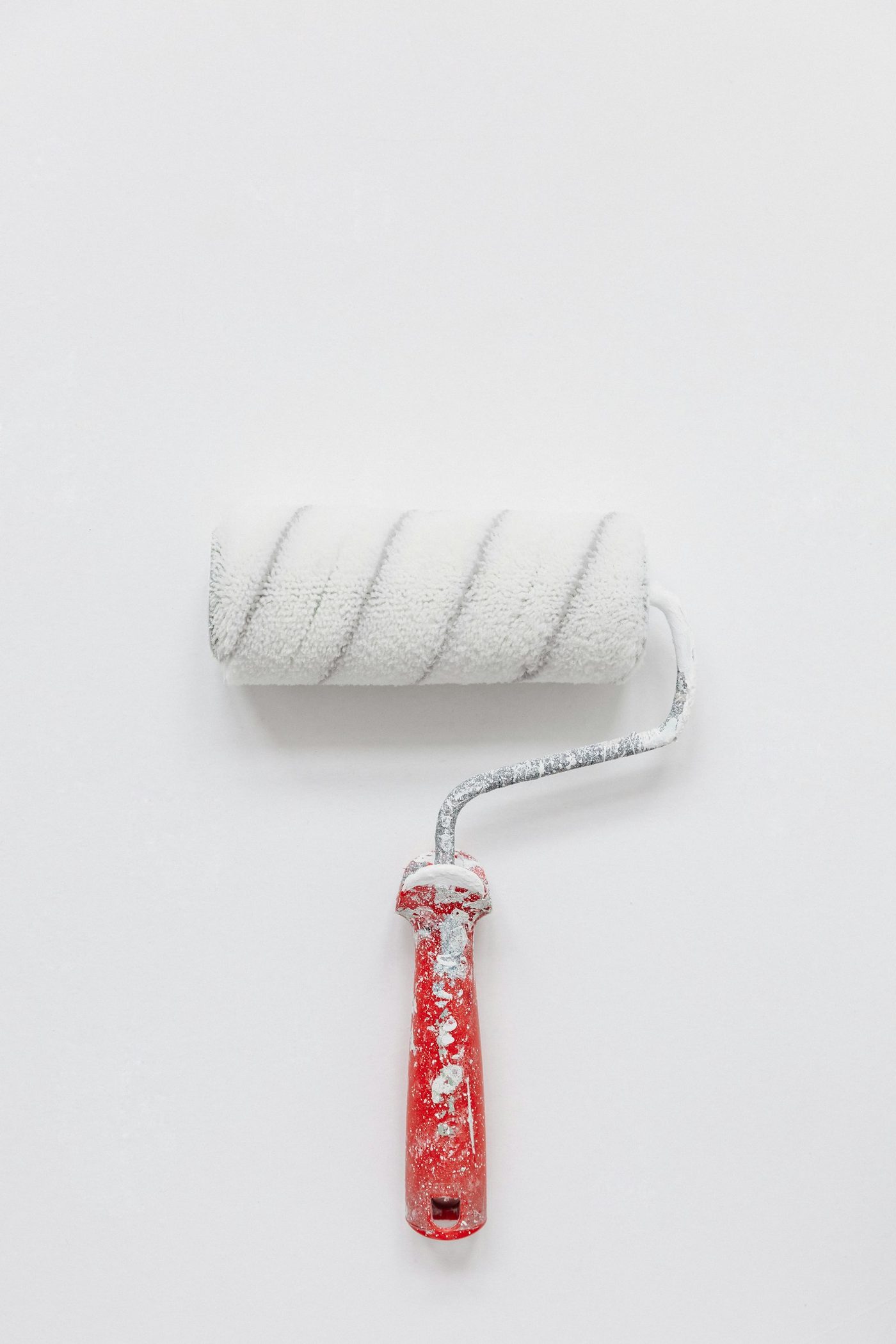
These aren’t interchangeable, and the choice matters more than the price difference suggests. Dicor’s Elastomeric formula is the RV-industry default for EPDM roofs and the safest choice if you want a product built specifically for this job. Liquid Rubber’s kit approach bundles primer and seam tape, which is worth the modest premium if you’d otherwise forget to buy those separately, a mistake that leads to a coating that looks fine on day one and lifts at the seams within a season. Henry’s silicone option costs less per gallon of actual coverage and resists standing water better than acrylic formulas, which matters if your roof has any low spots where water pools after rain.
One rule overrides brand preference: once a roof has a silicone coating on it, every future coat has to be silicone too. Acrylic coatings bond fine to each other regardless of brand or order. Silicone only bonds reliably to silicone. Mixing the two, or not knowing which one is already on your roof from a previous owner, is how coating jobs fail early.
What a mobile tech charges to apply it for you
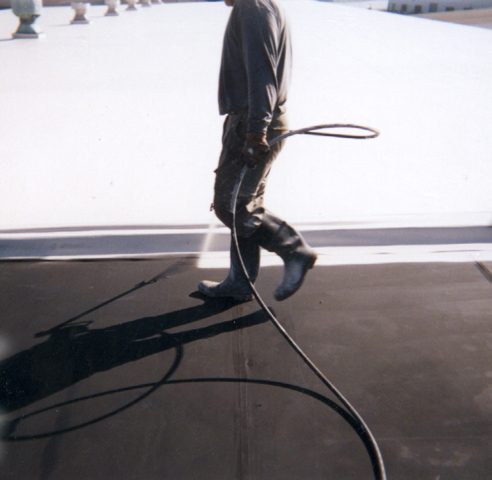
If climbing on the roof isn’t something you want to do yourself, a mobile RV tech is the middle option between DIY and a branded system. Pricing in this segment runs by the linear foot: roughly $25/ft for a single coat, $30/ft for two coats, plus materials and shop supplies. On a 30-ft trailer, that’s $750-$900 in labor before materials are added.
Real invoices from iRV2’s forums land in a similar range once prep work is factored in. One owner paid $350 plus materials to have a 36-ft Class A roof pressure washed, inspected, sealed, and UV-protected. Another paid $1,600 to have a 38-ft fifth wheel’s EPDM roof fully cleaned, prepped, and recoated. The variation comes down almost entirely to how much of the job is “apply coating” versus “strip old sealant and fix what’s underneath first.”
Branded spray-on systems: FlexArmor and RV Armor
At the top of this market are two branded products, FlexArmor and RV Armor, that function less like a coating you buy and more like a custom roof rebuilt in place. Both are sprayed on in multiple layers directly on your RV, cure into a single seamless membrane, and come with a lifetime, transferable no-leak warranty.
The pricing reflects that. FlexArmor runs $170-$230 per linear foot, with real 2024-2025 owner invoices including $6,732 for a 34-ft Class A and $8,820 for a 38-ft Winnebago in a higher labor-cost region. RV Armor prices similarly, around $190 per linear foot with a $4,560 minimum job, meaning even a short rig won’t get quoted much below that floor.
| RV length | FlexArmor / RV Armor estimated cost |
|---|---|
| 25 ft | $4,250-$5,750 |
| 30 ft | $5,100-$6,900 |
| 34-38 ft | $6,700-$8,800 |
| 40+ ft | $6,800-$9,500 |
Whether that premium is worth it depends on how long you plan to keep the rig and whether your current roof is a maintenance headache. If your roof is in decent shape and coating is purely preventive, most RV roofs will outlast your ownership with cheap, regular maintenance instead, and a $6,000 spray system isn’t buying you much you weren’t already going to get. If your roof design ponds water at the seams and Dicor sealant needs redoing every year or two, a branded system that never needs resealing again starts to look like it pays for itself.
Can you coat a TPO roof?
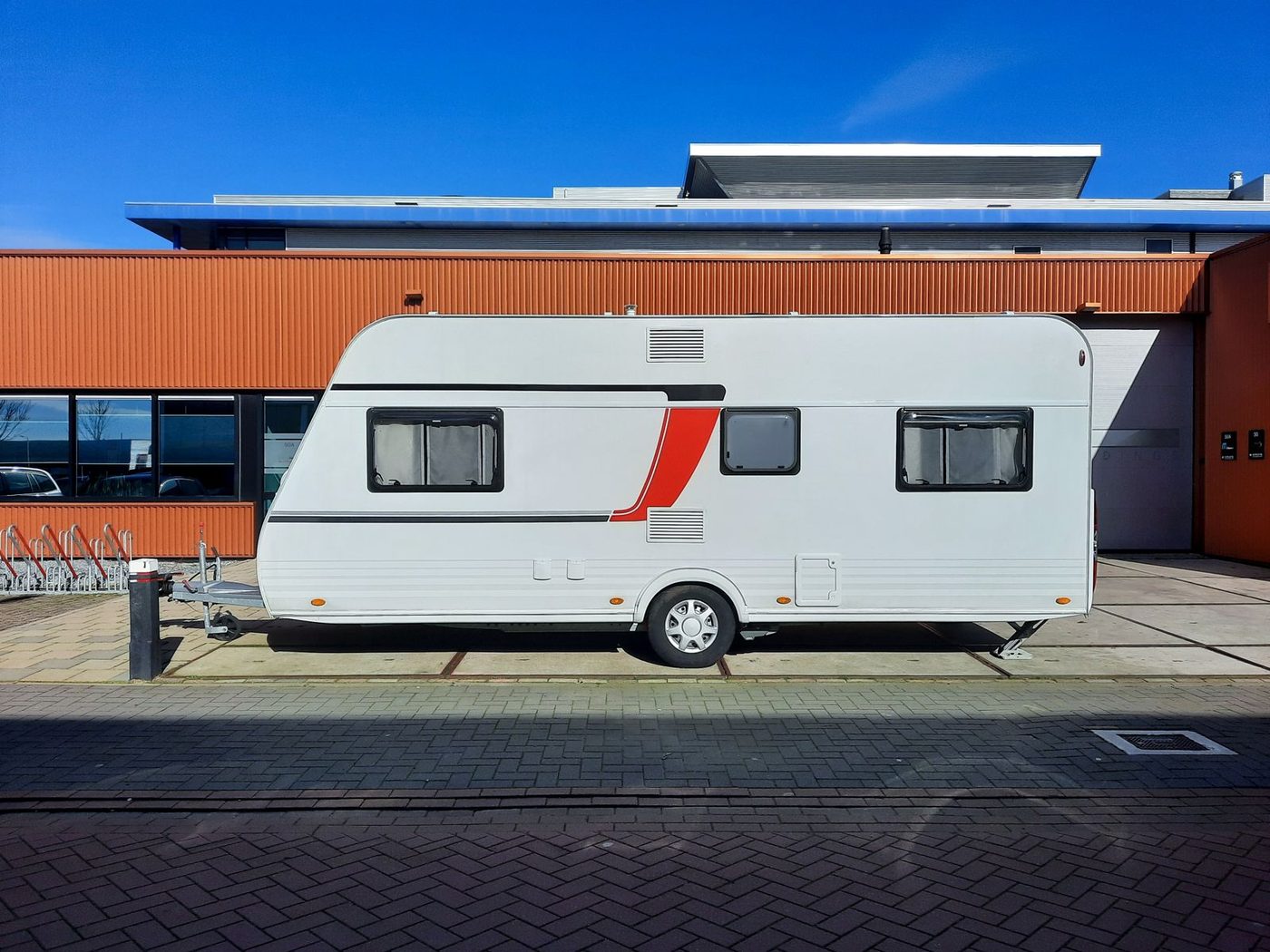
Usually not, or at least not without checking first. Factory TPO already ships with a durable, UV-stable top layer that most coating manufacturers don’t recommend covering at all. Adding an aftermarket coating to TPO can trap moisture at the bond line, and it frequently voids whatever manufacturer warranty is left on the membrane itself. If your roof is TPO and it’s chalking or losing UV protection, check with the membrane manufacturer before coating it. EPDM and fiberglass roofs are the more common, and more coating-friendly, candidates for this page.
How long does a roof coating actually last
DIY acrylic and basic mobile-tech coatings need reapplication roughly every few years as UV exposure breaks the coating down, similar in cadence to the annual or biannual reseal most RV roofs need regardless of coating. Silicone coatings tend to hold up longer against ponding water specifically. Branded systems like FlexArmor and RV Armor are built and priced around not needing this cycle again: that’s the entire value proposition behind their lifetime transferable warranty.

Coating vs. resealing vs. replacing: what’s actually different
These three get confused constantly because they’re all “roof maintenance” in the broadest sense, but they solve different problems. Resealing at $75-$2,000 is about individual seams, vents, and edges where the old sealant has dried and cracked; it’s spot maintenance, not a full-surface treatment. Coating, covered on this page, applies a continuous protective layer over the entire membrane, extending its UV resistance and waterproofing without replacing anything underneath. Full membrane replacement at $600-$13,000 is what you need once the membrane itself, not just its surface protection, is compromised: torn, brittle, or delaminating from the deck.
A reasonable sequence for an aging but structurally sound roof: reseal individual trouble spots as they show up, coat the full roof every several years to extend its life, and only move to full replacement once coating and resealing stop being enough. Skipping straight to a $6,000 spray system on a roof that just needed a $50 tube of lap sealant is money that didn’t need spending.
What drives the price
| Cost factor | How it moves the price |
|---|---|
| Coating chemistry: acrylic vs. silicone vs. branded urethane | Dicor's acrylic Elastomeric coating runs $45.99/gallon; their fiberglass-specific formula runs $74.99/gallon because fiberglass needs a different bonding chemistry than rubber. Henry's 100% silicone Tropi-Cool coating, not an RV-specific brand but used by owners on EPDM roofs per multiple forum reports, runs about $32.63/gallon at a 4.75-gallon size. Silicone resists ponding water better; acrylic is cheaper and easier to apply in thin coats. |
| Roof material compatibility | A coating formulated for EPDM isn't automatically right for fiberglass or TPO. Many coating manufacturers explicitly don't recommend coating TPO at all, since the factory membrane already has a durable top layer, and adding a coating can void whatever warranty remains on the TPO itself. |
| DIY brush kit vs. mobile tech vs. branded turnkey system | This is the single biggest lever on this page. A DIY gallon of Dicor costs $46. A mobile tech applying a basic coating charges roughly $25-$30 per linear foot for materials and labor. A branded system like FlexArmor or RV Armor runs $170-$230 per linear foot installed, because you're buying a lifetime transferable warranty along with the coating. |
| Roof prep and condition | A roof with chalking, lifting old sealant, or years of accumulated grime needs pressure washing and scraping before any coating goes on. That prep work is where mobile-tech quotes swing from a few hundred dollars to well over a thousand. |
| Number of coats | A single coat costs roughly $25 per linear foot in labor from a mobile tech; two coats runs closer to $30 per linear foot. Manufacturers of DIY liquid coatings generally recommend two coats for full waterproofing, which doubles material cost but not labor if you're doing it yourself. |
| RV length and roof square footage | A 5-gallon pail of Liquid Rubber's RV Roof Coating covers about 250 sq ft, enough for a 30-ft trailer. Bigger rigs need a second kit, and branded per-linear-foot systems scale linearly with length, a 40-ft coach costs roughly 60% more than a 25-footer at the same rate. |
| Warranty term | DIY and basic mobile-tech coatings need reapplication every few years as UV exposure breaks them down. Branded systems like FlexArmor carry a lifetime, transferable no-leak warranty, which is most of what the higher price buys. |
DIY or hire a pro?
- Cost
- $150-$1,300 in materials depending on roof size and number of coats
- Time
- A full day including prep; most products need 24-48 hours of cure time between coats
- Skill
- Beginner to intermediate
This is genuinely one of the easier RV maintenance jobs. Clean the roof thoroughly, scuff-sand any chalking, prime an EPDM surface if the coating manufacturer calls for it, then roll or brush the coating on in thin, even passes. Liquid Rubber's own kit for a 30-ft RV runs about $530 including tax and shipping: a 5-gallon pail of coating, a gallon of EPDM primer, and seam tape for the trouble spots. The one rule that trips people up: once you apply a silicone coating, everything after it has to be silicone too. Acrylic coatings can layer on top of each other in any order, but silicone only bonds reliably to more silicone.
What you'll need
- Dicor Elastomeric RV Roof Coating (EPDM/rubber)
- Dicor Fiberglass RV Roof Coating (affiliate)
- Liquid Rubber RV Roof Coating kit (5-gallon, EPDM primer, seam tape) (affiliate)
- Henry HE887 Tropi-Cool 100% silicone reflective roof coating, white (affiliate)
As an Amazon Associate, we earn from qualifying purchases.
- Cost
- $750-$9,500 depending on whether it's a basic mobile-tech applied coating or a branded turnkey spray system
- Time
- Half a day for a basic rolled-on coating; 2-3 days for a full branded system like FlexArmor or RV Armor, which is custom-built on your specific roof
- Booking
- Worth it for a lifetime-warrantied system if you're keeping the rig long-term, or when years of chalking and old sealant mean DIY prep alone won't get a clean bond
A basic mobile-tech coating job runs roughly $25 per linear foot for one coat, $30 for two, plus materials and prep. A 30-ft trailer at that rate lands around $750-$900 for labor alone, before materials. Branded systems charge far more, FlexArmor and RV Armor both price around $170-$230 per linear foot, but what you're actually buying is different: a custom-fitted, seamless coating with a lifetime transferable warranty backed by a company, not a coating you'll likely redo in five to seven years.
Will insurance or a warranty cover it?
- This is usually out of pocket. Standard policies treat it as wear and maintenance. A service contract bought before it fails is the main way to shift the risk.
Roof coating is maintenance, whether it's a $46 DIY gallon or a $6,000 branded spray system, and maintenance isn't something insurance or extended warranties pay for. The connection that matters is the other direction: skipping coating and reseal cycles is exactly the kind of deferred maintenance an insurer points to when denying a later leak or water damage claim. A coating job is cheap insurance against a much more expensive argument with an adjuster.
Coverage depends on your policy and the cause of damage. Confirm specifics with your provider.