RV Inverter Replacement Cost: What to Expect in 2026
RV inverter replacement costs $400 to $800 for a 1000W system, $900 to $1,600 for 2000W, or $1,800 to $3,500 for a 3000W-plus inverter-charger with a transfer switch. Here's the full breakdown.

Typical cost
$150–$3,500
A 1000W inverter system installed runs $400-$800; a 2000W pure sine wave setup typically lands $900-$1,600; a 3000W-plus inverter-charger with a transfer switch runs $1,800-$3,500 professionally installed.
Most people pay around
$900
Costs verified July 2026
Replacing or installing an RV inverter runs $400 to $3,500 depending almost entirely on wattage. A 1000W system lands at $400-$800 fully installed. Step up to 2000W, enough to run a microwave or a coffee maker without a generator, and installed cost roughly doubles to $900-$1,600. A 3000W-plus inverter-charger with a transfer switch, the setup most full-timers running a residential fridge actually need, runs $1,800-$3,500 with professional installation.
Inverter vs. converter: worth clearing up before you buy anything
These two get confused constantly, and they do opposite jobs. A converter takes 120V AC from a campground pedestal or generator and turns it into 12V DC to run your lights, water pump, and charge your battery. An inverter does the reverse: it takes 12V DC stored in your battery bank and turns it into 120V AC so you can run something that plugs into a wall outlet while you’re off-grid.
If your 12V systems are dim or dead, that’s a converter problem, and the converter replacement guide covers that repair. If your 12V systems work fine but nothing that plugs into an AC outlet works unless you’re on shore power or running a generator, that’s an inverter problem, and you’re in the right place.
An inverter-charger combines both jobs in one box. That’s the unit most owners upgrading to serious off-grid capability end up buying, since it means one enclosure instead of two separate systems to wire and maintain.
What size inverter do you actually need?
This is the question that determines everything else on this page, and it’s worth answering honestly before shopping.
A 1000W inverter handles small electronics: laptop chargers, phone chargers, a TV, small kitchen appliances used one at a time. It will not run a microwave or a coffee maker.
A 2000W inverter is the practical minimum for anyone who wants to run a microwave, a coffee maker, or power tools off-grid, one at a time, without tripping the inverter’s overload protection. This is the size most travel trailer and mid-size fifth wheel owners land on.
A 3000W-plus inverter is built for running a residential-style refrigerator continuously alongside other loads, which is increasingly common on newer Class A and larger fifth wheel floor plans. It’s also the size where an inverter-charger with a built-in transfer switch starts making more sense than a standalone unit.
Pure sine wave vs. modified sine wave: the decision that sets your budget
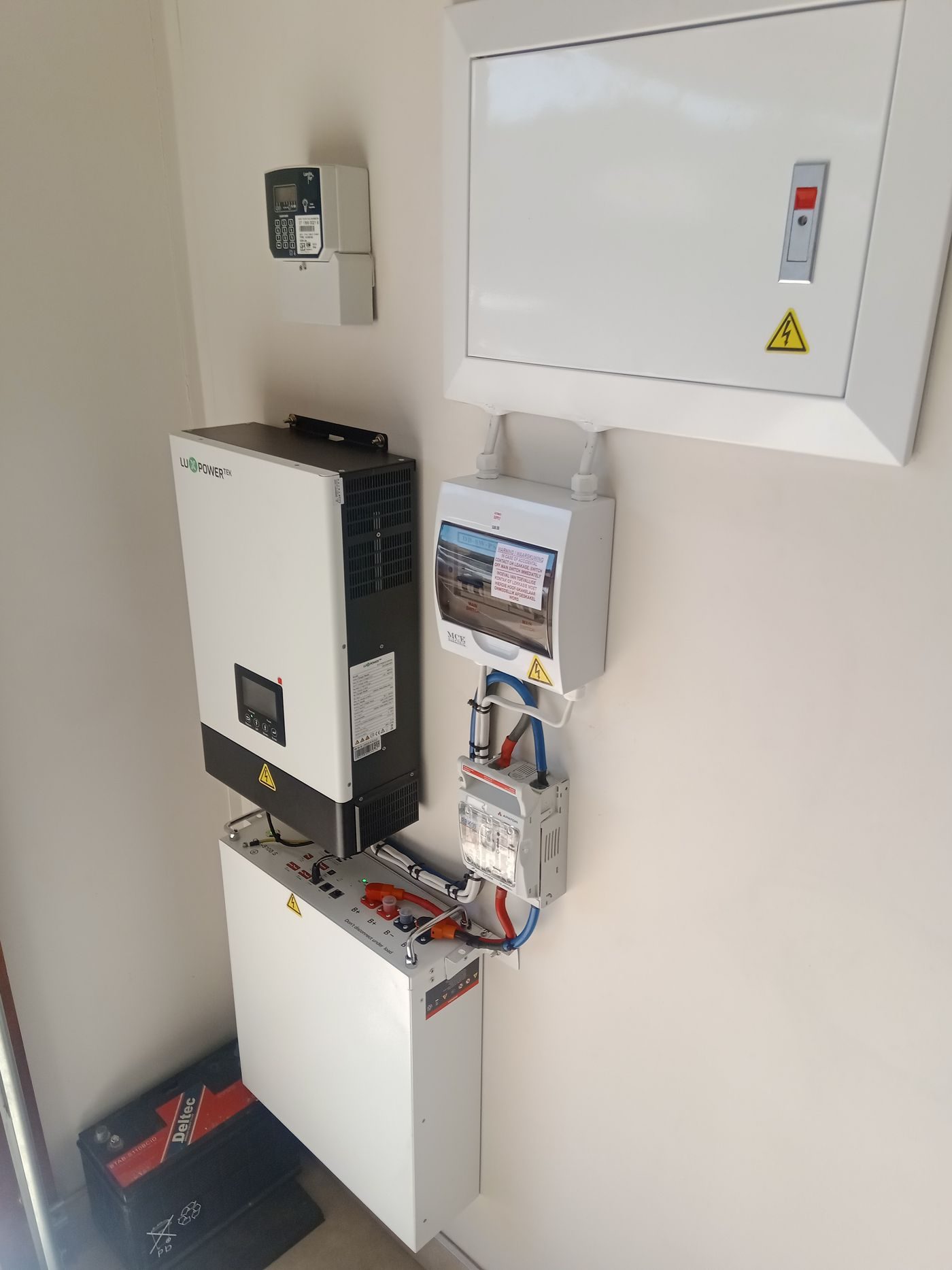
A modified sine wave inverter is the budget option, running $0.30-$0.60 per watt. It works fine for resistive loads like incandescent lights and simple heating elements. Where it struggles is with the sensitive electronics that fill a modern RV: laptop power bricks, CPAP machines, LED drivers, and the variable-speed compressors in newer refrigerators can run hot, hum audibly, or fail outright on modified sine wave power.
A pure sine wave inverter costs $0.50-$1.20 per watt, a 30-50% premium, but produces power that’s electrically identical to what comes out of a wall outlet at home. Every sensitive device runs the way it’s supposed to. Industry estimates put roughly 68% of RV owners choosing pure sine wave despite the higher price, and on any rig built after roughly 2015, with its mix of switching power supplies and variable-speed appliances, that premium is buying real reliability, not just peace of mind.
What the inverter itself costs by wattage
Component pricing varies a lot by brand, but the ranges are consistent enough to plan around.
| Wattage | Typical unit cost (pure sine wave) | Example |
|---|---|---|
| 1000W | $150-$490 | Progressive Dynamics 1000W |
| 2000W | $286-$862 | Renogy 2000W ($285.99) to Victron MultiPlus 2000W ($861.90) |
| 3000W | $456-$1,088 | Rich Solar NOVA 3K12 ($455.99) to Victron MultiPlus-II ($1,006-$1,088) |
Brand tier explains most of the spread within a wattage class. Budget brands like Rich Solar and Renogy compete hard on price, Victron sits at the premium end with a reputation for reliability and monitoring features serious boondockers pay for, and Go Power lands in between, with several models bundling a transfer switch that would otherwise be a separate line item.
Standalone inverter vs. inverter-charger: what the combo unit adds
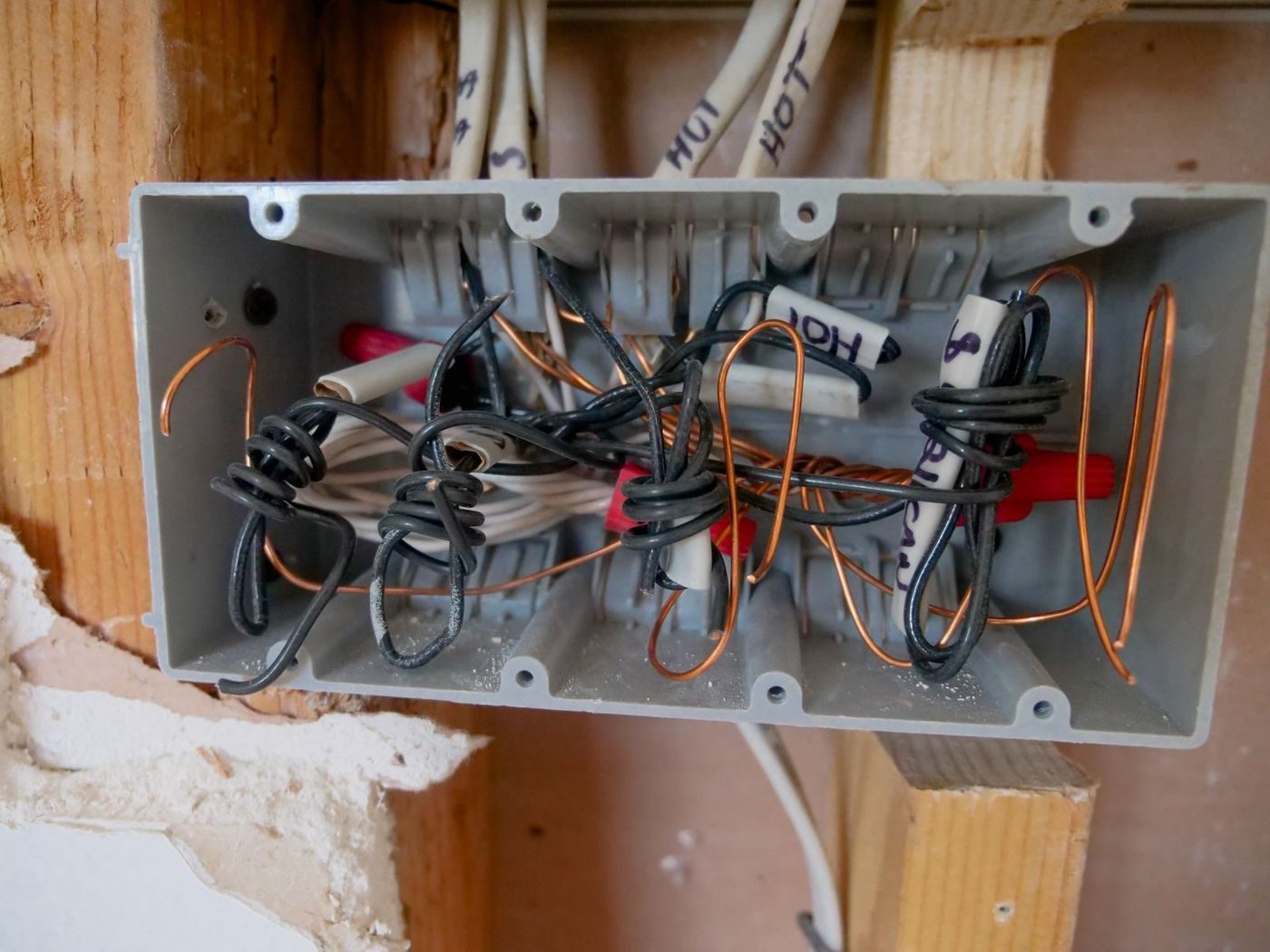
A standalone inverter only does one job: battery DC to usable AC. An inverter-charger does that and also recharges the battery bank from shore power or a generator, which means it can replace your factory converter entirely rather than sitting alongside it.
Basic inverter-charger units start around $300. Units with higher output and features like remote app monitoring and programmable charging profiles run $800 to $1,500 or more. Budget another $100-$200 for the wiring, fuses, and mounting hardware that don’t come in the box. If your converter is also getting old, replacing both with one inverter-charger unit is often cheaper than replacing them separately, and it’s worth running that math before buying either component on its own.
The transfer switch question
If the inverter is only powering a dedicated outlet or two, you may not need a transfer switch at all. If it needs to power the same AC circuits your shore power cord feeds, lights, outlets, the microwave, you need one, and it’s not optional. A transfer switch makes sure the inverter and shore power can never both be energizing the same circuit at the same time, which would otherwise risk backfeeding damage to the inverter or, worse, to whatever’s plugged into the campground pedestal.
Adding a transfer switch separately runs $175-$400 in parts and labor. Some units skip that line item entirely: Go Power’s ASW series, for example, bundles an automatic transfer switch into the inverter itself, and the effective cost premium over a comparable standalone unit is usually smaller than buying and wiring in a separate switch would be.
What professional installation costs
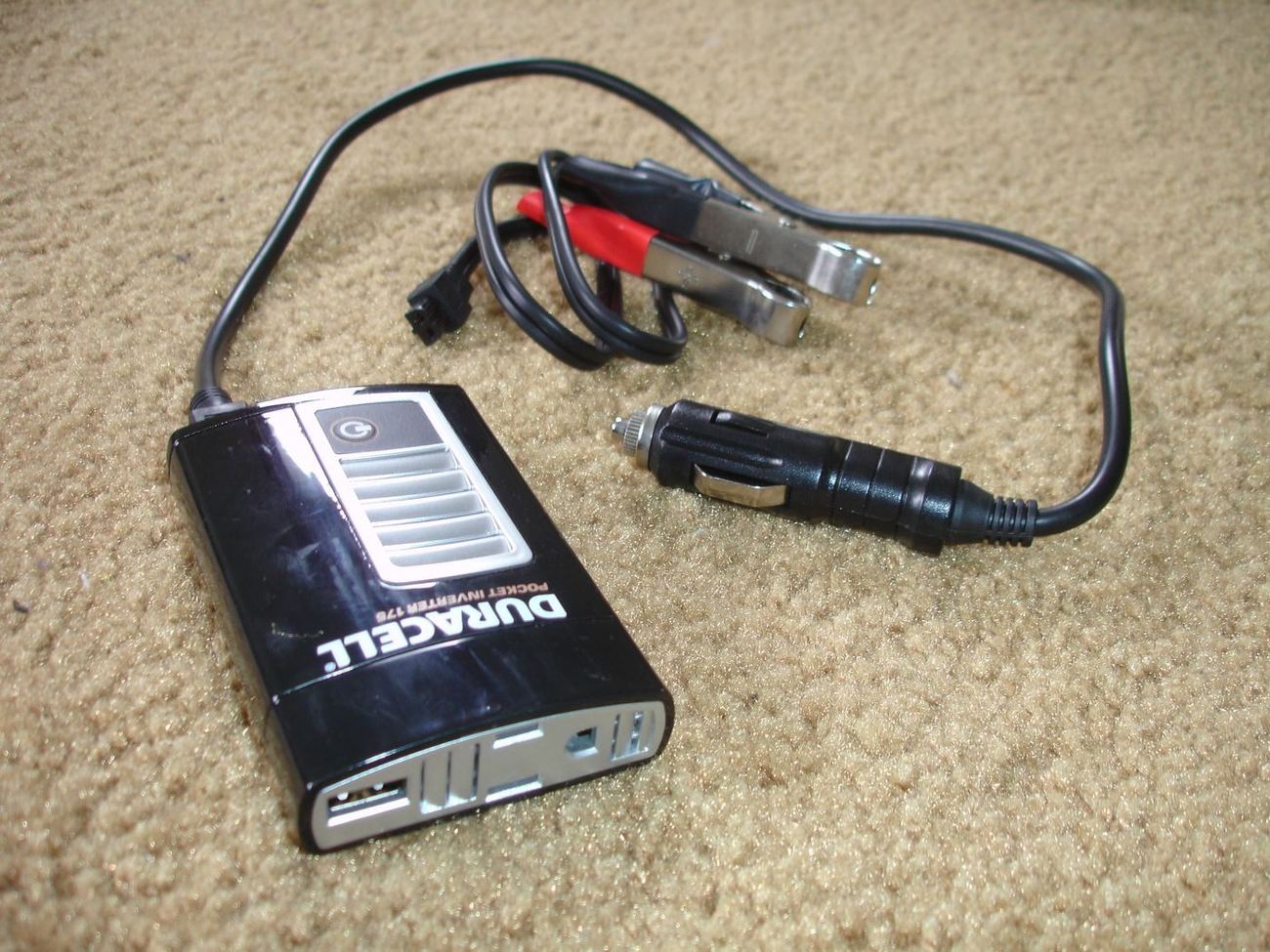
Certified RV electrical techs charge $80-$150 an hour, and a full installation runs 4-8 hours depending on complexity, putting labor alone at $200-$800. Marine-grade wiring sized for the actual amperage runs $6-$12 a foot, with 25-40 feet typical between the battery bank and the inverter location, adding another $150-$480. Add a transfer switch if one isn’t built in, and older rigs without existing ventilation for the inverter compartment sometimes need $300-$600 in cooling work on top of everything else.
Putting it together by wattage tier:
- 1000W, professionally installed: $400-$800
- 2000W, professionally installed: $900-$1,600
- 3000W-plus with transfer switch, professionally installed: $1,800-$3,500
The hidden cost most first-time buyers miss: the battery bank
An inverter can only deliver what the battery bank behind it can supply. This is the single most common oversight in inverter shopping: someone buys a 3000W inverter, wires it up, and discovers their existing 100Ah battery drains in twenty minutes under real load.
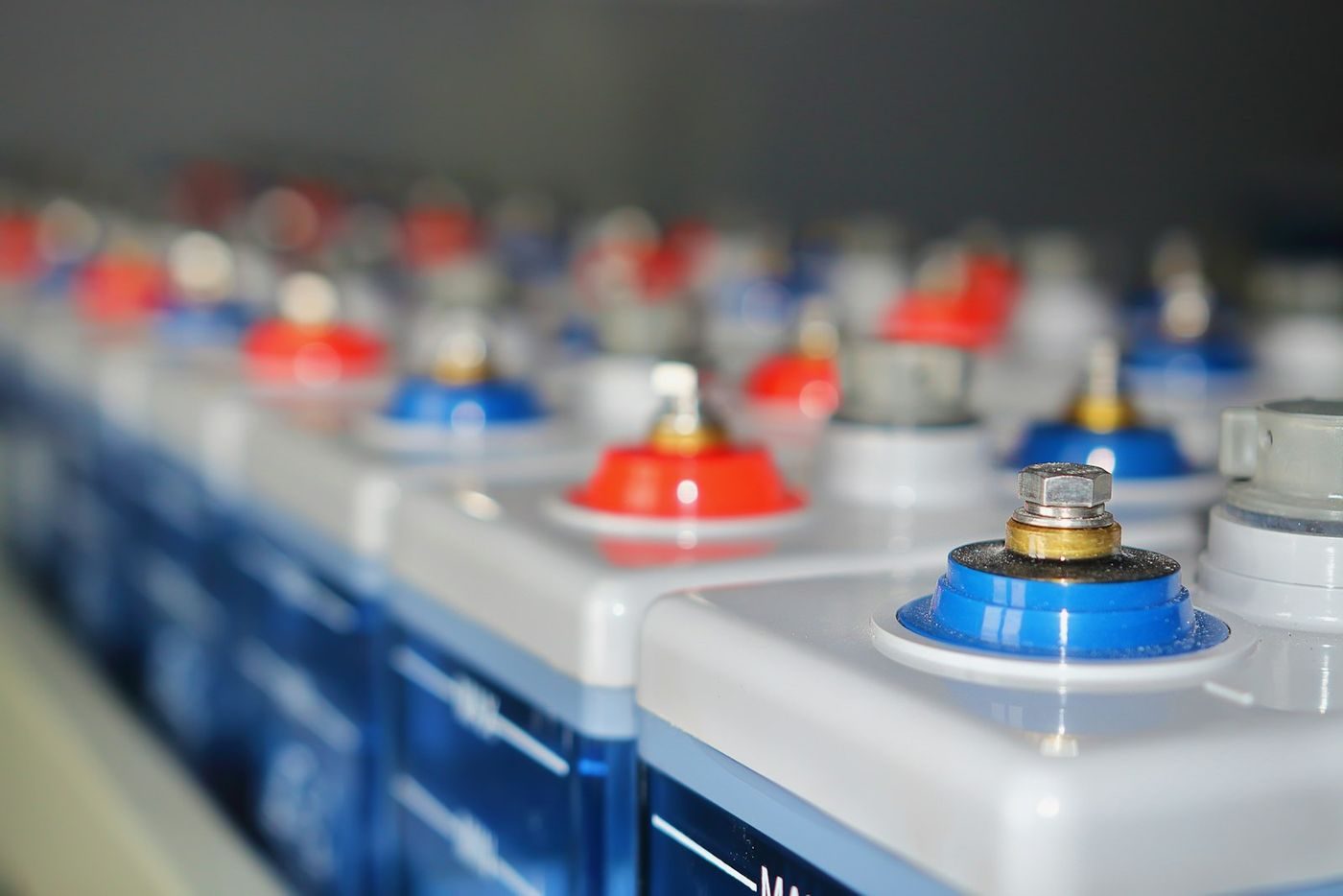
A 3000W inverter running anything close to its rated capacity needs roughly 450Ah of usable battery storage. Built from lithium, that’s $1,200-$4,000. Built from lead-acid, it’s cheaper up front at $200-$600 but delivers less usable capacity and a shorter lifespan. Either way, that cost belongs to the battery bank, not the inverter itself, but it’s real money that needs to be budgeted before committing to a big inverter. If your existing battery bank is already adequate, this is a non-issue. If it isn’t, the battery replacement guide breaks down what building that capacity actually costs.
Can you install an RV inverter yourself?
Mounting the inverter is easy. Everything else is the actual job. The DC cables running from the battery bank to the inverter carry real current, which means correct wire gauge for the distance and amperage, a properly rated fuse mounted as close to the battery terminal as possible, and torqued, corrosion-free connections at every joint. None of that is beginner electrical work, and getting it wrong on a 2000W or 3000W system is a legitimate fire risk, not an exaggeration.
If the inverter needs to tie into existing AC circuits through a transfer switch, that’s where most DIY installs go wrong. Wiring a transfer switch incorrectly can let shore power and inverter power energize the same circuit simultaneously, which risks damaging the inverter, the RV’s electrical system, or the campground’s pedestal.
If your project is a standalone inverter powering one or two dedicated outlets, with an existing battery bank that’s already sized correctly, DIY is genuinely reasonable for anyone comfortable reading a wiring diagram and using a crimper correctly. If it’s a full inverter-charger replacing your converter and tied into the coach’s AC panel, get at least one shop opinion before committing to doing it solo.
How this compares to the rest of your 12V and AC system
An inverter is one piece of a bigger power picture, and it’s worth understanding where it fits. The solar panel installation guide covers what it costs to pair an inverter with a full off-grid charging setup, panels, controller, and battery bank together, which is the more common real-world project than an inverter installed in isolation. The converter replacement guide covers the component that does the opposite job, and the battery replacement guide covers what it costs to build or upgrade the storage capacity an inverter actually draws from.
What drives the price
| Cost factor | How it moves the price |
|---|---|
| Wattage tier | Wattage is the single biggest cost driver, and it's not linear. A 1000W system runs $400-$800 fully installed. Jump to 2000W and installed cost roughly doubles to $900-$1,600, because the wiring, fusing, and often the battery bank all need to scale up with it. A 3000W-plus inverter-charger with a transfer switch lands at $1,800-$3,500 installed. Buy for the appliances you actually plan to run off-grid, not the biggest number on the shelf. |
| Pure sine wave vs. modified sine wave | Pure sine wave inverters run $0.50-$1.20 per watt; modified sine wave units run $0.30-$0.60 per watt, a 30-50% discount. The catch is compatibility: modified sine wave power can damage or malfunction sensitive electronics like laptop chargers, CPAP machines, and variable-speed motors in newer refrigerators and microwaves. Industry data suggests roughly 68% of RV owners now choose pure sine wave despite the premium, and on a modern rig full of switching power supplies, that's the safer default. |
| Standalone inverter vs. inverter-charger combo | A standalone inverter only converts battery DC to usable AC. An inverter-charger does that plus recharges the battery bank from shore power or a generator, replacing what a converter does on its own. Basic inverter-charger units start around $300; advanced models with higher output and remote monitoring run $800-$1,500 or more, plus another $100-$200 in wiring, fuses, and mounting hardware. |
| Transfer switch requirement | If the inverter needs to power the same AC circuits your shore power cord feeds, without the two ever backfeeding into each other, you need a transfer switch. Adding one separately runs $175-$400 in parts and labor. Some higher-end units, like Go Power's ASW series, bundle an automatic transfer switch into the inverter itself, which is worth the price difference if you don't already have one. |
| Wire gauge and fusing | Marine-grade wiring sized correctly for real amperage runs $6-$12 a foot, and a typical inverter installation needs 25-40 feet between the battery bank and the inverter. This is not a place to save money by going a gauge thin. An undersized cable pulling a 2000W or 3000W load doesn't just underperform, it heats up, and an unfused or improperly fused high-amperage circuit is a genuine fire risk, not a hypothetical one. |
| DIY vs. professional labor | Certified RV electrical techs charge $80-$150 an hour for a 4-8 hour installation, putting professional labor alone at $200-$800 depending on complexity. A basic swap onto existing wiring runs toward the low end; a new inverter-charger with a transfer switch and fresh wire runs takes the full day. |
| Existing battery bank capacity | An inverter can only put out what the battery bank behind it can deliver. Sizing a 3000W inverter to a battery bank that can't support that draw is a common and expensive mistake. Building a bank large enough to actually use a 3000W inverter means roughly 450Ah of lithium ($1,200-$4,000) or 900Ah of lead-acid ($200-$600) if you're starting from nothing, a cost that belongs to the battery bank, not the inverter, but one that catches a lot of first-time buyers off guard. |
DIY or hire a pro?
- Cost
- $150-$1,100 in parts for the inverter itself, more once wiring, fuses, and a transfer switch are added
- Time
- A few hours for a straightforward swap onto existing battery cables; a full day if new wire runs and a transfer switch are part of the job
- Skill
- Intermediate to advanced. Sizing wire gauge and fusing correctly for real amperage is not a beginner electrical task
Mounting the inverter itself is the easy part: it bolts to a wall near the battery bank with a few screws. What makes this an intermediate-to-advanced job is everything downstream of that. The DC cables between the battery and the inverter carry serious current, which means correct gauge, a properly rated fuse as close to the battery as possible, and clean, torqued connections at every terminal. If the inverter needs to power existing AC outlets or the whole coach's electrical panel, wiring in a transfer switch correctly, so shore power and inverter power can never both be live on the same circuit at once, is where DIYers most often get it wrong. Get any of that wrong on a 2000W or 3000W system and you've built a fire hazard, not a power system.
What you'll need
- Renogy 2000W 12V Pure Sine Wave Inverter (affiliate)
- Renogy 3000W 12V Pro Pure Sine Wave Inverter (affiliate)
- Go Power ASW Series 3000W inverter with built-in transfer switch
- Victron MultiPlus-II inverter/charger (affiliate)
As an Amazon Associate, we earn from qualifying purchases.
- Cost
- $400-$3,500 installed, depending on wattage and whether new wiring and a transfer switch are needed
- Time
- Half a day for a straightforward swap onto existing wiring; a full day for a new inverter-charger with a transfer switch tie-in
- Booking
- Worth it for anything at 2000W or above, for any inverter-charger combo tied into shore power, or if the rig is still under warranty
A shop's value here is almost entirely in the wiring, not the mounting. Correct cable gauge and fusing for the actual amperage, a transfer switch wired so inverter and shore power never energize the same circuit simultaneously, and a battery bank connection that won't work itself loose on washboard roads: that's what the labor line covers. It's also the safer call if you're not confident diagnosing whether your existing battery bank and converter setup can actually support the inverter you want, since undersizing that chain is one of the most common and costly mistakes owners make on their own.
Will insurance or a warranty cover it?
- An extended warranty or service contract may cover this if the failure is mechanical and the component is listed in your plan.
- This is usually out of pocket. Standard policies treat it as wear and maintenance. A service contract bought before it fails is the main way to shift the risk.
Extended warranty coverage for inverters is inconsistent across providers and depends heavily on whether the inverter was factory-installed or added aftermarket. Some mechanical breakdown contracts cover a factory-installed inverter-charger as a listed electrical component; most exclude an inverter an owner bolted on later, the same way they exclude other aftermarket electrical upgrades. Standard RV insurance treats an aftermarket inverter as it treats solar or any other add-on: excluded unless specifically scheduled on the policy. Given that a 3000W inverter-charger setup can run $1,000-plus, scheduling it as a rider is worth a phone call, particularly if it's wired into a battery bank that would also need replacing after a covered loss like a fire.
Coverage depends on your policy and the cause of damage. Confirm specifics with your provider.