RV Electrical Repair Cost: What to Expect in 2026
RV electrical repair costs $75 to $400 for a fuse, outlet, or shore power cord fix, $150 to $2,500 for converter, inverter, or wiring diagnosis and repair, or $3,000 to $8,000+ for a full rewire after rodent or fire damage. Here's what drives the range.

Typical cost
$75–$8,000
A blown fuse, tripped GFCI, or worn shore power cord runs $75-$400. Converter, inverter, or 12V wiring diagnosis and repair typically lands $150-$2,500. A full rewire after rodent or fire damage runs $3,000-$8,000 or more.
Most people pay around
$450
Costs verified July 2026
RV electrical repair costs $75 to $400 for a blown fuse, dead GFCI outlet, or worn shore power cord, whether you fix it yourself or call a mobile tech for a quick diagnostic visit. Converter, inverter, or 12V wiring problems that need real diagnostic time typically run $150 to $2,500. A full rewire, the kind you only need after fire damage or a rodent infestation that’s chewed through the harness, runs $3,000 to $8,000 or more. The number that matters isn’t the repair itself, it’s how long it takes someone to find the actual fault.
Why “electrical repair” covers such a wide range
Ask an RV tech what electrical repairs cost and the honest answer is “it depends on how long I have to look before I find it.” A dead outlet with an obvious tripped GFCI takes five minutes to fix once you’ve pushed the reset button. A dim-light complaint that turns out to be a corroded ground three feet inside a wall cavity can eat two hours of a tech’s day before the actual fix even starts.
That’s the core economics of electrical work, on an RV or anywhere else: labor is billed on time spent, and time spent is dominated by finding the problem, not fixing it. A shop charging $130-$195 an hour isn’t charging that much to swap a fuse. They’re charging that much because half their jobs involve tracing a fault through wiring they can’t see without pulling paneling.
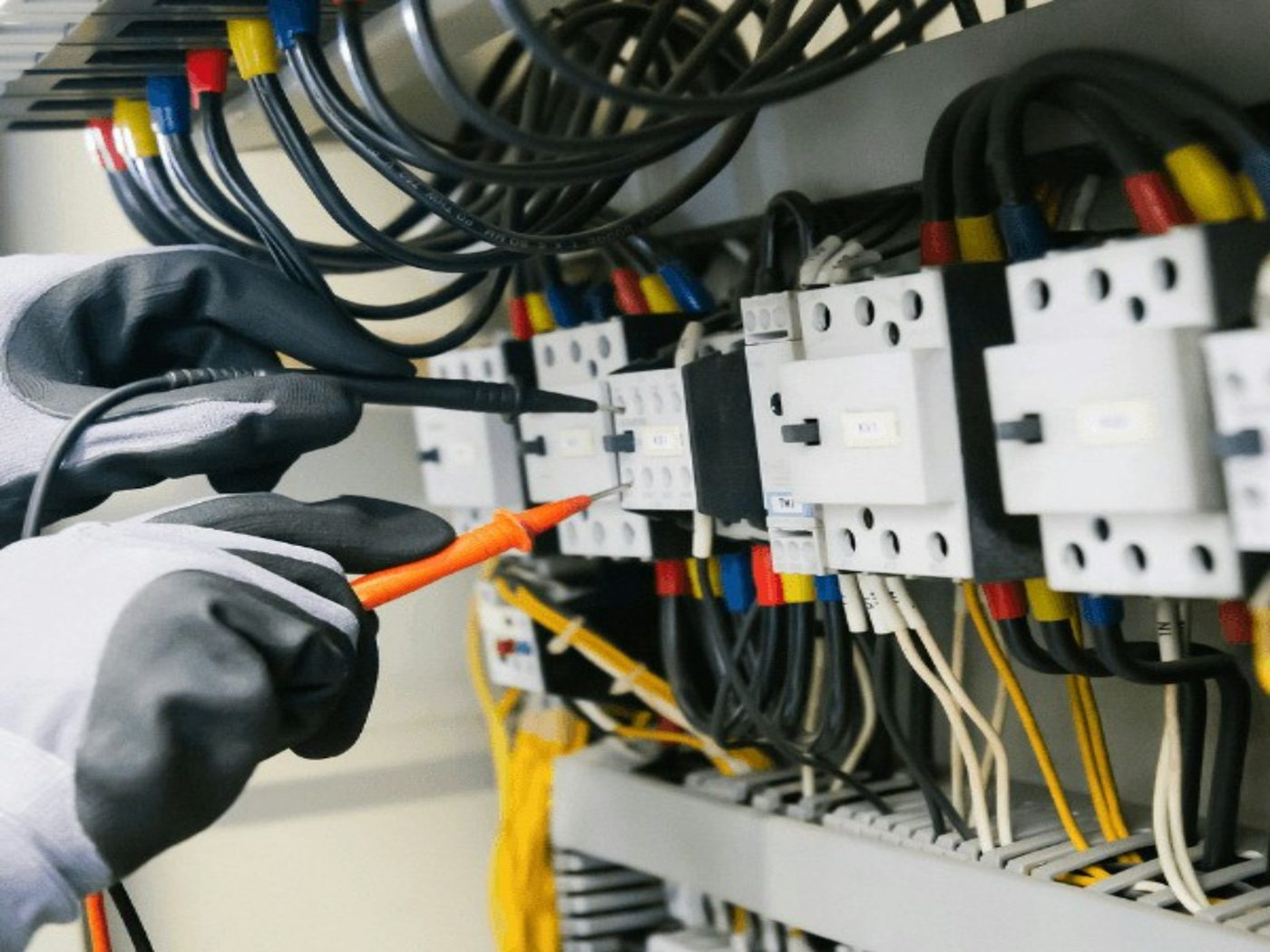
The cheap, fast repairs: fuses, breakers, and outlets
Most electrical calls that start out sounding scary end here. A blown fuse is a $1-$5 part. A tripped breaker that won’t reset might mean the breaker itself failed, a $10-$25 part. A dead GFCI outlet, the kind that protects your bathroom and kitchen circuits, runs $10-$15 for a standard household unit or about $35 for an RV-rated one, and swapping it takes 10-15 minutes with the power off.
DIY total for any of these: usually under $75, most of it optional tool cost if you don’t already own a screwdriver and a multimeter. A mobile tech doing the same job, plus a trip fee, typically lands $150-$400 once you account for the visit itself, since most mobile operations charge a minimum service call regardless of how quick the fix turns out to be.
| Component | DIY part cost | Mobile tech visit, parts + labor |
|---|---|---|
| ATO/ATC blade fuse | $1-$5 | $75-$150 (often folded into trip fee) |
| 12V circuit breaker | $10-$25 | $100-$200 |
| Standard household GFCI outlet | $10-$15 | $120-$250 |
| RV-rated GFCI outlet | $30-$40 | $150-$300 |
| Fuse panel replacement kit | $33-$65 | $150-$350 |
The one thing worth knowing before you swap a fuse yourself: if it blows again immediately, stop. A repeatedly blowing fuse means something downstream is drawing too much current or shorting to ground, and the fuse is doing exactly what it’s supposed to do. Replacing it a second and third time without finding the cause is how a $5 fuse problem becomes a fire.
Shore power cords: what they actually cost to replace
A shore power cord takes abuse. It gets run over, coiled wrong, left kinked in a storage bay, and eventually the insulation cracks or a prong corrodes from being plugged into a wet pedestal one too many times. Replacing it is one of the more straightforward electrical fixes on the list.
A 30 amp, 50-foot Mighty Cord extension runs $131.95 at etrailer, current pricing as of July 2026. Stepping up to a 50 amp, 25-foot cord with a pull handle runs $230.20. Both are direct DIY swaps if the damage is at the plug end, or a full cord replacement if the cable itself is compromised. For cords hardwired into a junction box rather than a simple plug-in connection, expect to add $100-$300 in labor for a professional to do the disconnect and reconnect safely, pushing a full professional replacement to $250-$500 depending on cord length and amperage.

Diagnosing a short or an intermittent fault
This is where electrical repair costs start climbing, and it’s almost entirely a labor-time problem rather than a parts problem. A localized short, a few wires that have chafed against a metal edge or a connector that’s worked loose from road vibration, typically runs $200-$1,200 to isolate and repair once a tech is on-site. That range reflects how much of the RV has to come apart to reach the fault: an accessible run under a bench seat is on the low end, wiring routed through a wall or under a slide-out mechanism is on the high end.
Multiple-wire damage, or a fault that’s affected a section of harness rather than one or two wires, moves into $800-$2,500 territory. This is common after water intrusion has corroded a bundle of connections at once, or after prolonged rodent activity that hasn’t yet progressed to full harness failure.
The general shop rate across most of these jobs runs $130-$195 an hour, consistent with what RV shops charge for converter and generator diagnostic work. Mobile techs add a trip fee, typically $75-$150, though some certified mobile operations charge a flat $85-$180 service call that includes the first block of diagnostic time.
Converter, inverter, and battery problems that show up as “electrical”
A surprising number of general electrical complaints trace back to one of three components: the converter, the inverter, or the battery bank. Dim interior lights, appliances that work on shore power but not off it, or a battery that drains overnight all point here.
The good news is these components price out on their own, more predictable scale, and this site covers each in depth:
- A converter section swap runs $400-$900 installed. The converter replacement guide covers PWM vs. dual-fuel considerations and DIY vs. professional labor.
- Battery replacement ranges from under $100 for a basic lead-acid unit to several thousand for a full lithium bank. The battery replacement guide breaks down chemistry and capacity tradeoffs.
- Generators that fail to charge the coach batteries properly, or that trip a breaker under load, are their own diagnostic path covered in the generator repair guide.
If a tech traces your “electrical problem” complaint to one of these three systems, expect a separate quote scoped to that component rather than a line item folded into general wiring labor.
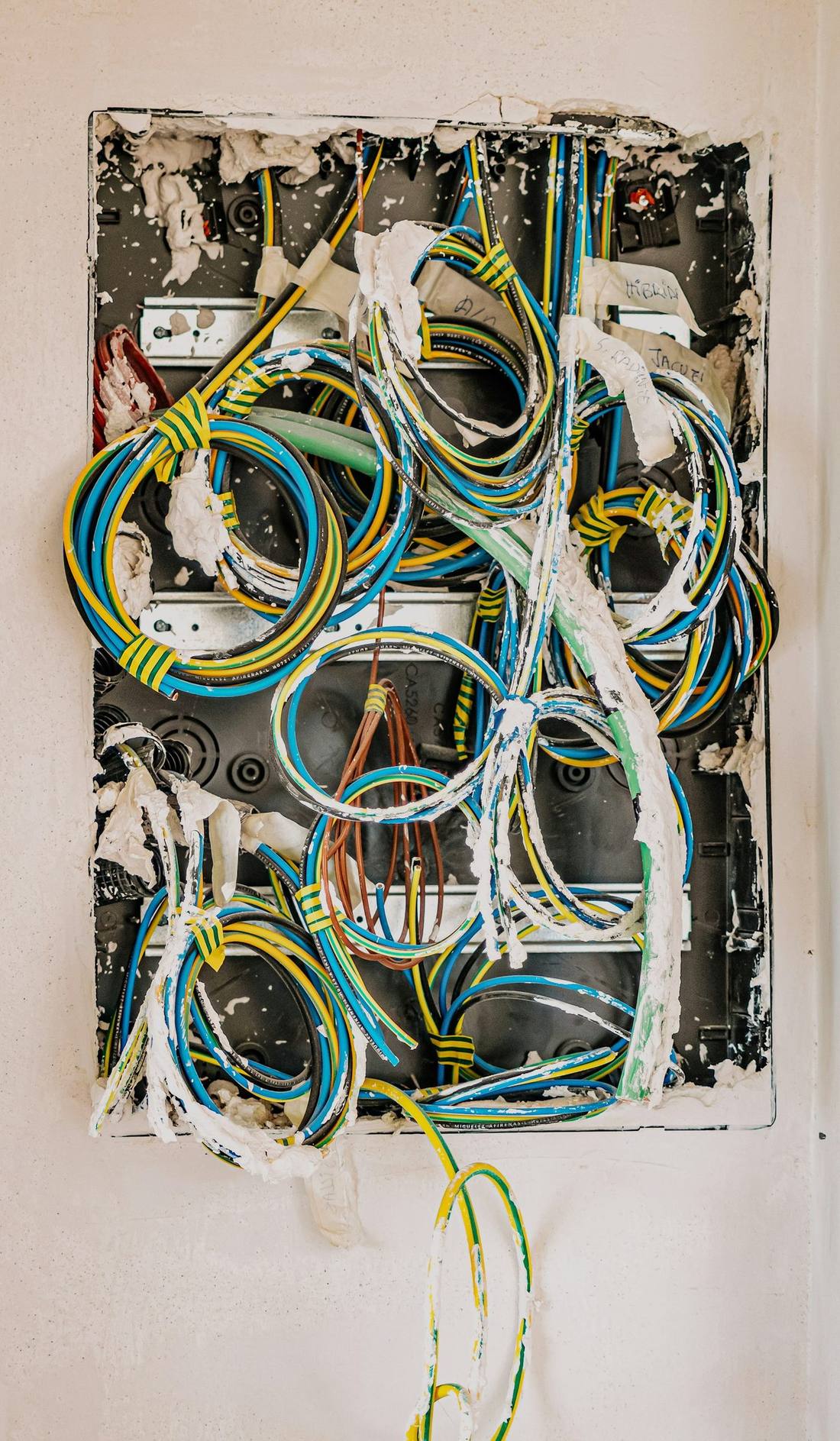
12V DC vs. 120V AC: two different systems, two different failure patterns
Every RV runs two electrical systems that share a panel but not much else. The 120V AC side comes from shore power, a generator, or an inverter, and runs your outlets, air conditioner, and residential-style appliances. The 12V DC side runs off the house battery and powers lights, the water pump, slide-out motors, and the furnace’s ignition system, regardless of whether you’re plugged in anywhere.
A problem that only affects outlets and AC-powered appliances is almost always a 120V issue: check the shore power connection, check the breaker, check the outlet itself. A problem that affects lights, the water pump, or anything that still works fine when parked at home on a battery charger is almost always 12V: check the battery, check the converter, check for a bad ground.
The reason this distinction matters for cost is diagnostic efficiency. A tech who correctly identifies which system is at fault in the first few minutes saves you an hour of labor versus one who starts checking the wrong side first. Describing your symptoms accurately when you call for service (does it happen when plugged in, unplugged, or both?) genuinely shortens the bill.
What actually drives the cost up
Access is the single biggest cost driver that has nothing to do with the fault itself. Wiring routed behind interior paneling, under a slide-out mechanism, or through the belly pan requires disassembly time before diagnostic work can even start, and that disassembly gets billed the same as any other labor hour.
Rodent damage is the other major cost driver, and it’s more common than most owners expect. An RVtravel reader poll found close to 30% of RV owners have paid for rodent-related repairs at some point in ownership. Mice and rats chew through wire insulation because their teeth never stop growing, and the damage often isn’t discovered until multiple systems start failing at once, which is a signal the problem has been progressing for a while. A few isolated chewed wires might run $200-$800 to repair. A chewed harness section runs $800-$2,500. Extensive damage requiring a full harness replacement runs $2,500-$8,000 or more, and standard RV insurance typically excludes this kind of damage unless you’ve added a specific pest damage rider.
Can you diagnose and fix RV electrical problems yourself?
For fuses, breakers, outlets, and shore power cords, yes, and a huge share of electrical service calls are exactly these simple fixes. A digital multimeter, a basic understanding of how to read it, and the patience to check connections methodically will solve most single-point failures without professional help.
Where DIY gets genuinely difficult is chasing an intermittent fault, one that only shows up under specific conditions like driving over rough road or running the slide-out. Without a wiring diagram specific to your floorplan and some experience reading voltage drops across a circuit, this kind of troubleshooting can turn into hours of guesswork. It’s also worth being honest about the 120V AC side specifically: a mistake there risks a real shock or fire hazard in a way that a 12V mistake generally doesn’t. If a repair involves cutting into the shore power wiring or working inside the main power center, that’s a reasonable place to call in a professional even if you’re comfortable with 12V work.
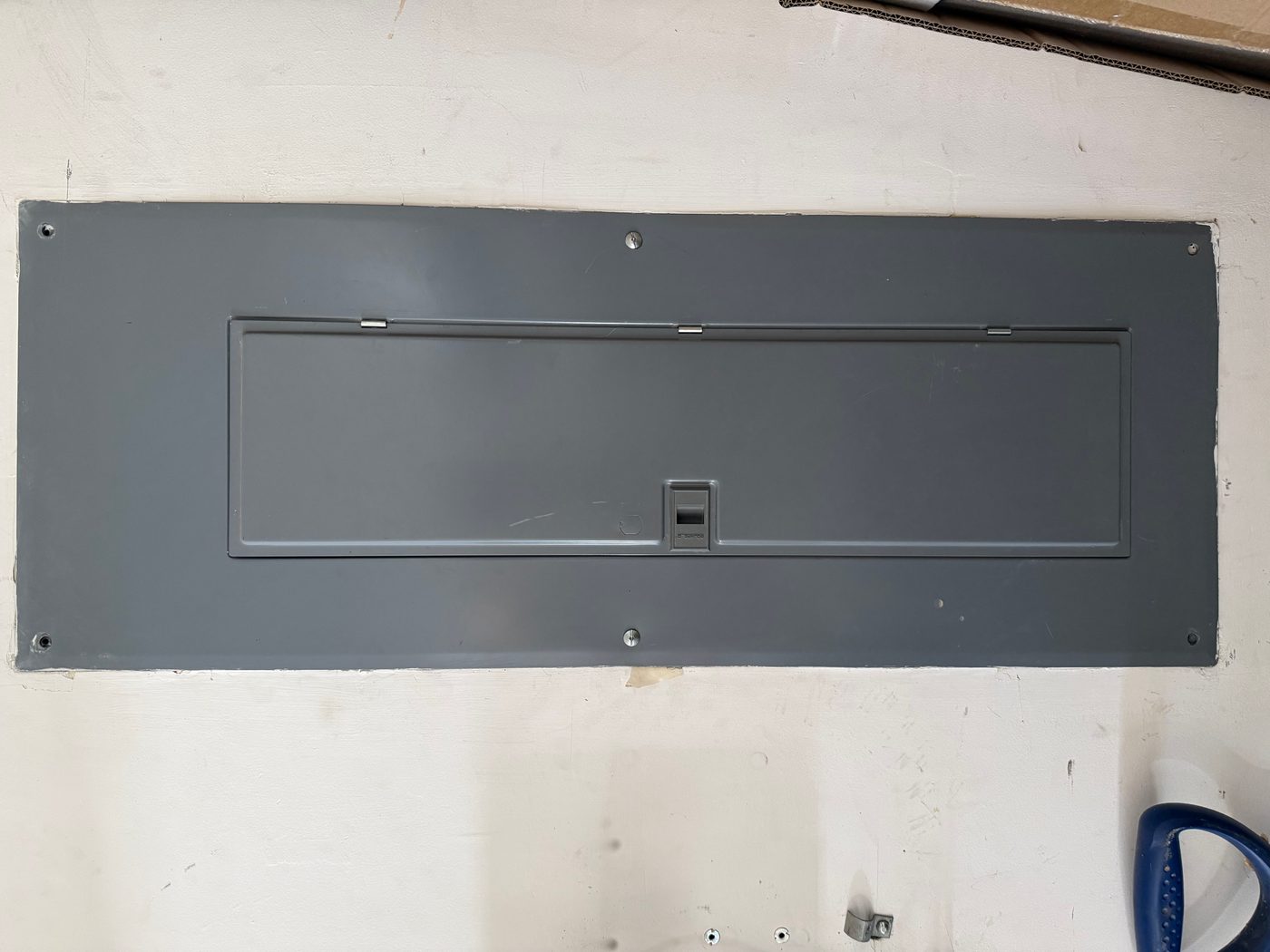
Does insurance or an extended warranty cover electrical repairs?
It depends heavily on the cause, not just the component. Extended warranty mechanical breakdown coverage typically covers electrical parts that fail from a defect: a converter board that dies on its own, factory wiring that develops a fault with no external cause. It typically excludes damage from an outside cause, which covers most of the electrical claims that actually get filed. Rodent damage, corrosion from an unrelated water leak, and DIY modification gone wrong are the three most commonly denied categories.
Standard RV insurance follows a similar logic: a covered peril like fire or a collision that damages wiring is covered, but wear, pests, and neglect generally aren’t. If you’ve dealt with rodents before or camp somewhere with a known mouse problem, it’s worth asking your insurer specifically about a pest damage rider rather than assuming a standard policy already includes one. For the full picture on what extended warranties do and don’t cover across RV systems, the extended warranty cost guide breaks down contract structures and common exclusions.
How electrical repair cost compares to other RV systems
Electrical work sits in an unusual spot compared to most other RV systems: the cheapest possible repair (a fuse) and the most expensive (a full rewire) are separated by two orders of magnitude, more spread than almost any other category on this site. For comparison, the converter replacement guide covers a narrower, more predictable $400-$900 range, and the solar panel installation guide covers what it costs to add generating capacity to the same 12V system this article covers repairing.
The RV systems cost overview covers heating, cooling, water, and electrical at a summary level if you’re budgeting across multiple systems in the same season.
What drives the price
| Cost factor | How it moves the price |
|---|---|
| Diagnostic time before any repair starts | Electrical faults hide behind panels, under floors, and inside walls, so a tech's first job is tracing the problem, not fixing it. Shops and mobile techs bill diagnostic time at their normal hourly rate, $130-$195/hr, and a stubborn intermittent short can eat 1-3 hours before a wrench ever turns. A confirmed bad part, by contrast, is often a 20-30 minute swap once it's found. Ask what the diagnostic fee covers and whether it's credited toward the repair if you approve the work. |
| DIY-friendly parts vs. buried wiring | Fuses, breakers, and GFCI outlets are genuinely simple: shut off power, pull the old part, seat the new one. RV-rated GFCI outlets run about $35, though a standard household GFCI from a hardware store works fine in most rigs and costs $10-$15. A fuse panel replacement kit runs $33-$65. Wiring that's routed through a wall cavity, under a slide-out, or behind the dash is a different job entirely, and that's where labor hours start adding up fast. |
| 12V DC problems vs. 120V AC problems | A dead outlet, tripped GFCI, or dark shore-power-only appliance is usually a 120V AC issue: check the pedestal, check the cord, check the breaker. Dim lights, a water pump that won't prime, or a furnace that won't ignite point to the 12V DC side: the battery, the converter, or a ground connection. The two systems share very little troubleshooting overlap, so a tech who's confident on one side sometimes still needs extra time getting oriented on the other, especially on an unfamiliar floorplan. |
| Converter, inverter, and battery faults get billed as electrical, but price out separately | A failing converter, a dead inverter, or a battery bank that won't hold a charge often shows up as a general 'electrical problem' complaint, but the parts and labor for those specific components price out on their own scale. A converter section swap runs $400-$900 installed; a full lithium battery bank runs into the thousands. If a shop traces your electrical complaint to one of those systems, expect a separate quote rather than a line item folded into general wiring work. |
| Mobile trip fee and regional labor rates | Mobile techs typically add a trip fee of $75-$150 on top of the hourly rate, and some premium mobile operations charge a flat $85-$180 service call before any diagnostic time starts. Shop labor runs $130-$195/hr depending on region and whether it's an independent shop or a dealer service department; dealers and certified mobile units at the high end of that range often justify it with faster turnaround and factory-trained techs. |
| Rodent and pest damage changes the math entirely | An RVtravel reader poll found close to 30% of RV owners have paid for rodent-related repairs at some point. A few chewed wires in an accessible run might cost $200-$800 to isolate and re-splice. A chewed harness section, or damage discovered only after multiple system failures start appearing at once, pushes into $800-$2,500 territory, and a full harness replacement after extensive damage runs $2,500-$8,000 or more. Most standard RV insurance policies exclude pest damage unless a specific rider was added, so this is one of the few electrical repairs worth calling your insurer about before assuming it's covered. |
DIY or hire a pro?
- Cost
- $10-$500 for fuses, outlets, breakers, and shore power cords
- Time
- Minutes for a fuse or breaker; 30-60 minutes for an outlet swap; under an hour for a shore power cord
- Skill
- Beginner for fuses, breakers, and outlets; intermediate for anything requiring a multimeter to trace a short
Replacing a blown fuse, a tripped breaker that won't reset, or a dead GFCI outlet is squarely DIY territory once the power is confirmed off. A shore power cord swap is mostly mechanical: disconnect the old cord at the RV's power inlet, connect the new one, done. Where DIY gets genuinely harder is tracing an intermittent short. A multimeter and some patience solve a lot of them, but a fault that only shows up when the rig is rolling down the highway, or only after the slide-out cycles, can burn a weekend without a proper wiring diagram for your specific floorplan.
What you'll need
- RV-rated GFCI outlet, 15A or 20A
- ATO/ATC blade fuse assortment kit
- Digital multimeter for 12V/120V diagnostics (affiliate)
- 30 Amp RV shore power extension cord, 50 feet (affiliate)
As an Amazon Associate, we earn from qualifying purchases.
- Cost
- $150-$8,000 depending on scope, from a diagnostic call to a full rewire
- Time
- Same-day for most single-fault repairs; 2-4 days for a full rig rewire
- Booking
- Worth the money for intermittent faults you can't reproduce on demand, for anything behind a wall or under a slide-out, and for any repair involving the 120V shore power side where a mistake risks a fire
A tech earns their fee mostly on diagnosis. RVs route wiring through tight, inaccessible spaces, and an intermittent fault that shows up only under vibration or load is genuinely hard to chase without experience and the right test equipment. Professional work also matters for anything touching the 120V AC side: a loose neutral or a miswired outlet is a shock and fire hazard, not just an inconvenience. For rodent damage or fire-related rewiring, a shop can also document the repair for an insurance claim, which matters if you're filing on a pest-damage rider or a comprehensive policy.
Will insurance or a warranty cover it?
- An extended warranty or service contract may cover this if the failure is mechanical and the component is listed in your plan.
- This is usually out of pocket. Standard policies treat it as wear and maintenance. A service contract bought before it fails is the main way to shift the risk.
Mechanical breakdown coverage under an RV extended warranty typically covers electrical components that fail from a defect: the converter board, the power center, factory wiring, and built-in outlets and switches. It typically does not cover damage from an external cause, which is where most electrical claims get denied. Rodent damage, corrosion from a water leak that reached the wiring, and damage from a DIY modification gone wrong are the three most common exclusions. Standard RV insurance treats wiring the same way: covered when the cause is a covered peril like fire or collision, excluded when the cause is wear, pests, or neglect. If you've had rodent problems before, ask specifically about a pest damage rider rather than assuming your policy already includes one.
Coverage depends on your policy and the cause of damage. Confirm specifics with your provider.