RV Axle Replacement Cost: What to Expect in 2026
RV axle replacement costs $200-$900 in parts for a DIY job or $1,200-$3,500 installed at a shop, depending on spring vs. torsion design and weight capacity. Here's what drives the range.

Typical cost
$200–$3,500
A DIY spring axle beam runs $200-$900 in parts depending on capacity and hub/brake config; professional installation of a leaf-spring axle runs $1,200-$2,500; a torsion axle installed runs $1,500-$3,500
Most people pay around
$1,200
Costs verified July 2026
RV axle replacement costs $200 to $900 in parts if you do the swap yourself, or $1,200 to $3,500 installed at a shop, with the spread driven mostly by spring vs. torsion design and how much weight the axle is rated to carry. A basic 3,500-lb spring axle with hubs and brakes is the cheapest common job. A torsion axle on a heavier tandem-axle trailer sits at the top of that range. The number that surprises most owners isn’t the parts, it’s how much shop quotes vary for the identical axle.
Why the same axle job gets quoted at $560 and $1,500
Forum threads on this topic read like two different repairs. One Forest River owner was quoted $1,500 by their original dealer, found a second RV dealer at $1,000, then discovered a general trailer and utility-trailer shop willing to install the same Dexter axle for $560 out the door. Nothing about the job changed. What changed was who was doing the quoting.
RV dealers price axle work the way they price everything else: with dealership overhead baked in. A shop that spends most of its week on boat trailers, equipment trailers, and utility trailers treats an axle swap as routine bread-and-butter work, not a specialty repair, and it shows in the labor rate. Getting a second quote from a non-RV trailer shop before booking with a dealer is the single biggest lever an owner has over this repair’s final cost.
Spring axles vs. torsion axles: the design decision that sets the price floor
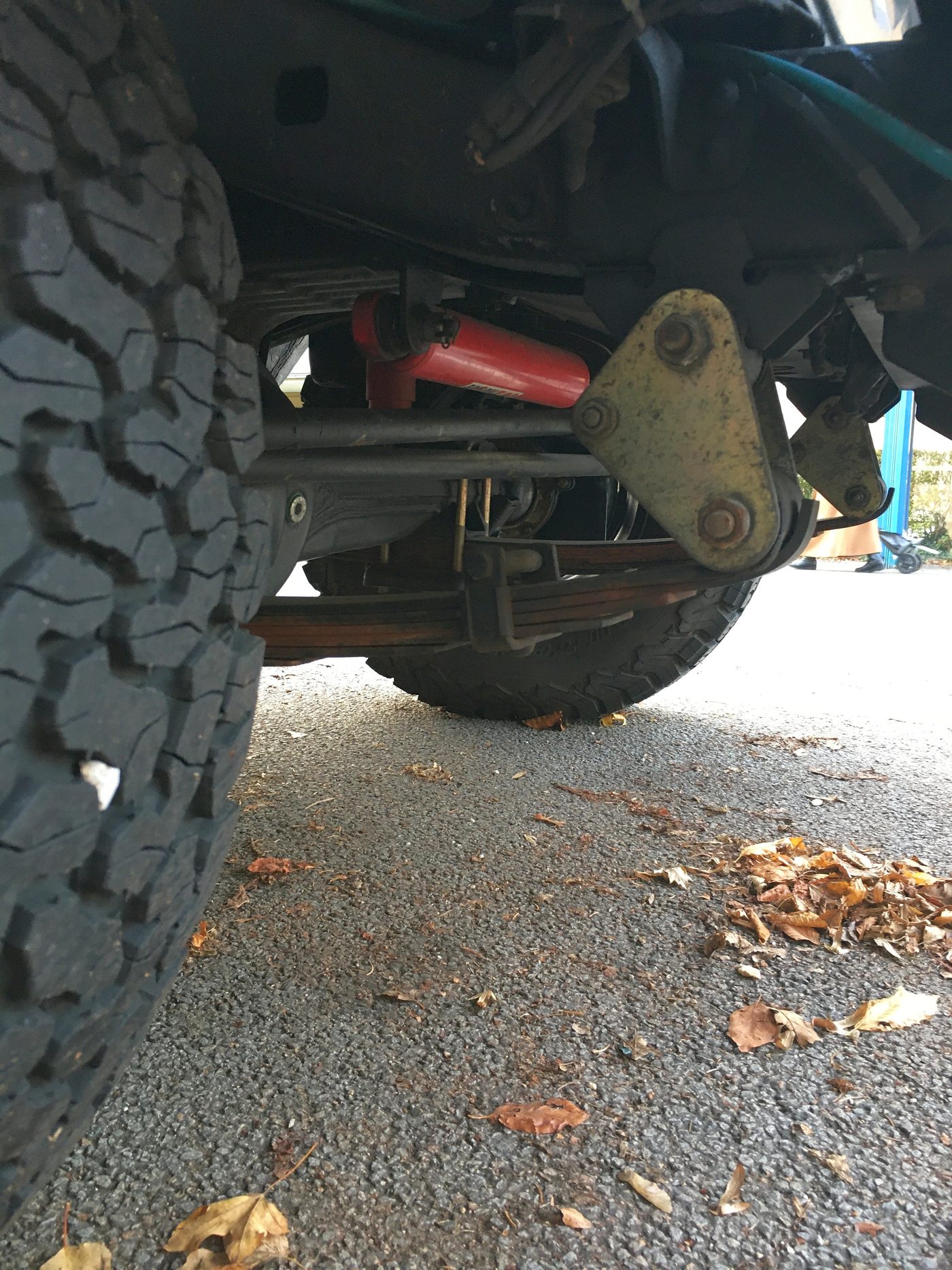
Most trailers built before the 2000s, and plenty built since, ride on a straight leaf-spring axle: a tube with spindles welded to each end, riding on external leaf springs bolted to the frame. It’s a simple, well-understood design, and it’s reflected in the price. A bare 3,500-lb Dexter axle beam, no hubs, runs $201 to $483 depending on length and drop at etrailer. A complete axle with idler hubs (no brakes) runs closer to $350, and adding electric brakes pushes a complete 89-inch axle to $549-$606.
Torsion axles trade that simplicity for ride quality. Instead of external springs, rubber cords are bonded inside the axle tube itself, giving each wheel independent suspension, no metal-on-metal spring squeak, and a noticeably smoother tow. That design costs more to manufacture: Southwest Wheel’s 5,200-lb Flexiride torsion axle with brakes lists at $1,399.99 before any brake-type upcharge, well above the $496.99 a comparable 5,200-lb spring axle with brakes runs in the same catalog.
| Axle type | Capacity | Parts only (complete, w/ brakes) |
|---|---|---|
| Spring axle | 3,500 lb | $549-$838 |
| Spring axle | 5,200 lb | $497-$681 |
| Torsion axle | 5,200 lb | ~$1,400+ |
There’s a second practical difference: a spring axle that’s bent from a pothole or curb strike can sometimes be straightened and realigned by a shop for $150-$500, well under replacement cost. A torsion axle that’s bent or has failed rubber cords generally can’t be field-repaired the same way; the whole unit gets swapped.
What professional installation actually costs
North Carolina Trailer Sales, a trailer dealer that publishes its own repair pricing, puts a full leaf-spring axle swap (tube, hubs, brakes, springs) at $400-$1,200 in parts plus three to five hours of labor, landing at $1,200-$2,500 installed at most shops. Torsion axles run higher: $700-$2,000 in parts and $1,500-$3,500 installed, reflecting both the pricier hardware and the extra labor of matching hanger brackets to the axle’s mounting width.
Real-world numbers back that up. One owner’s independent shop in Iowa charged around $450 in labor to swap two 4,000-lb torsion axles, roughly two to three hours of shop time. Another owner who sourced a complete OEM Dexter assembly (drums, hubs, brakes, bearings, and axle saddles included) for about $1,500 delivered paid a separate independent shop $214 just for the labor of bolting it on, since Dexter had already supplied the hardware under a warranty claim. A third data point from that same thread: a shop’s charge for doing an alignment and straightening bent axles, not replacing them, came to $452 for the pair.
Can you replace a trailer axle yourself?
Mechanically, yes, if the trailer already runs leaf springs and the new axle bolts to the same spring perches. Block the trailer securely on jack stands rated for its full loaded weight (not a floor jack alone, and not stands rated for a car), disconnect the brake magnet wiring if the axle has brakes, pull the U-bolts holding the springs to the old axle, roll it out, roll the new one in, and torque every fastener to spec.
The part that actually requires care isn’t the wrench work, it’s measurement. Before ordering a replacement axle, confirm the hub face width, spring center-to-center distance, and bolt pattern against the old axle. Get any of those wrong and the new axle either won’t sit under the frame correctly or won’t line up with the existing spring hangers, which means a return shipment and a trailer stuck on blocks in the driveway. Southwest Wheel and Dexter’s own axle configurators walk through these measurements step by step, and it’s worth the extra ten minutes to double-check before checkout.
Torsion axle DIY swaps are a bigger step up. Because the axle mounts via hanger brackets rather than spring perches, changing brands or widths sometimes means welding new brackets to the frame, which pushes the job past what most driveway mechanics are equipped to do safely.
Single vs. tandem axle, and why one failure often means checking both
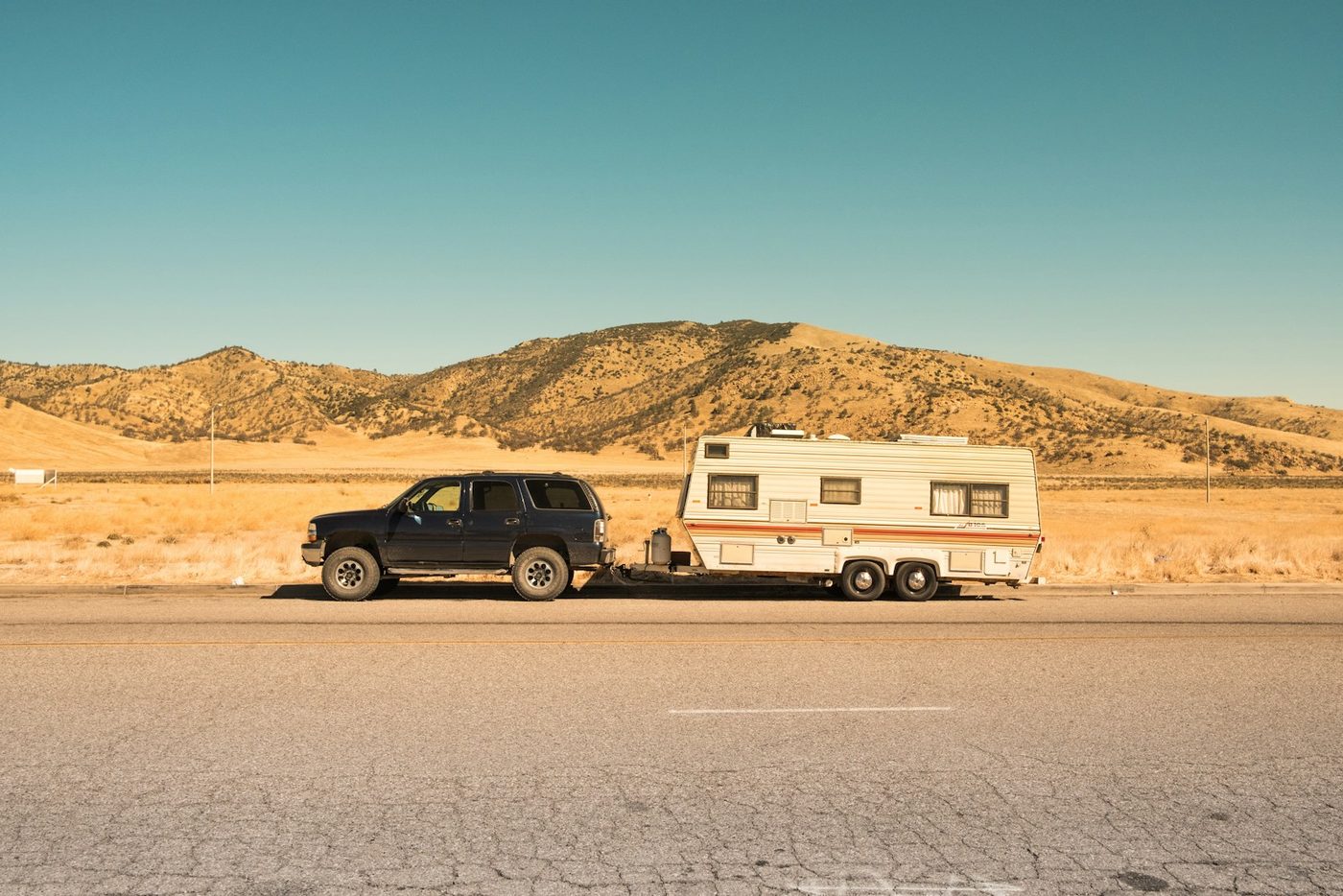
A tandem-axle trailer, common on fifth wheels and larger travel trailers, splits the load across two axles instead of one. When one fails, whatever caused it, road hazard, a bearing that ran dry, a bent spindle, has usually put the same mileage and the same road conditions on the second axle. Owners who replace only the failed axle sometimes find themselves back in the shop within a season for the other one.
Replacing both axles at once roughly doubles the parts bill but often costs less in total labor than two separate shop visits months apart, since the trailer only needs to be jacked, blocked, and aligned once. If a tandem trailer’s axles are both original and both past 7-10 years old, it’s worth asking a shop to inspect the second axle’s bearings and spindle condition while the first one is off, rather than waiting for it to fail on its own schedule.
Does insurance or a warranty cover a bent or failed axle?
It depends almost entirely on cause. A comprehensive RV extended warranty that lists chassis or running gear as a covered component may pay for an axle that fails from a manufacturing defect, a bearing seizing and taking the spindle with it, or a weld failing prematurely. What it won’t cover is the far more common cause: a bent or cracked axle from hitting a pothole, curb, or piece of road debris. That’s road-hazard damage, not a mechanical breakdown, and warranty contracts exclude impact damage the same way they exclude any collision-related repair.
Standard RV insurance is a mixed bag here too. Some policies treat a road-hazard-bent axle as a covered collision-type claim; others treat it as excluded wear-and-tear. The extended warranty cost guide breaks down what “mechanical breakdown” typically means across comprehensive plans, and it’s worth reading the actual policy language, not just the sales brochure, before assuming either way. Get a written shop estimate before filing anything, so there’s a number to compare against the deductible.
How axle cost compares to other running-gear repairs
Axle work rarely happens in isolation. A trailer that needs a new axle is often also due for tire replacement, since old tires and a failed axle bearing sometimes share the same root cause: age and years of sitting loaded in storage. And any axle with brakes is worth inspecting alongside a brake job, since pulling the hub for one exposes the other anyway. If the trailer is still within its manufacturer’s chassis warranty period, checking coverage before paying out of pocket for either repair is worth the phone call.
What drives the price
| Cost factor | How it moves the price |
|---|---|
| Spring axle vs. torsion axle | A straight leaf-spring axle is the cheaper, simpler design: a tube with spindles welded on, riding on external leaf springs. Parts alone run $200-$480 for a bare beam and $350-$900 for a complete unit with hubs and brakes. A torsion axle bonds rubber cords inside the axle tube itself, giving each wheel independent suspension and a smoother ride, but it costs more and can't be field-repaired the way a bent spring axle sometimes can. Southwest Wheel's 5,200-lb Flexiride torsion axle with brakes runs roughly $1,400 in parts alone, well above a comparable spring axle. |
| Weight capacity (GVWR rating) | A 3,500-lb axle is the most common single-axle trailer size and the cheapest to source. Step up to 5,200 lb or 7,000 lb for a heavier trailer or tandem-axle setup, and both parts and labor climb. A 7,000-lb Dexter spring axle with brakes runs noticeably more than the 5,200-lb version in the same product line, and shops charge more labor time on a heavier axle because everything, jack stands, lift capacity, torque specs, has to match the higher rating. |
| Single vs. tandem axle | A tandem-axle trailer has two axles working together, and a failure on one usually means checking the other, since both have seen the same mileage and road hazards. Replacing both axles at once roughly doubles the parts cost but often saves on labor versus two separate shop visits months apart. |
| With brakes vs. without | An idler axle (no brakes) is the cheapest complete option, since it skips the backing plates, magnets or calipers, and wiring. Add electric drum brakes and the price climbs by roughly $150-$300 per axle; add hydraulic disc brakes and it climbs further still. Most states require brakes on axles over a certain GVWR threshold, so this isn't always optional. |
| OEM Dexter vs. aftermarket or TruRyde | Dexter is the dominant US trailer axle manufacturer and the benchmark for parts availability and warranty support. A complete OEM Dexter replacement assembly, delivered, with drums, hubs, brakes, bearings, and axle saddles, runs around $1,500 in parts by itself, according to owner reports. Aftermarket and TruRyde-branded axles from the same suppliers run somewhat less but can mean a longer wait if a specific bolt pattern or hub face measurement isn't in stock. |
| Shop type: independent trailer shop vs. RV dealer | Forum reports show the same job quoted at wildly different prices depending on who does it. One owner was quoted $1,500 by an RV dealer and $1,000 by a second dealer, then found a general trailer/utility shop willing to do the same swap for $560 out the door. Independent trailer shops that service boat trailers, utility trailers, and RVs alike tend to know axle work cold and don't carry the RV-specific markup. |
| Straighten vs. replace | A bent axle from hitting a curb or pothole doesn't always need full replacement. Some shops can straighten and realign a bent axle for $150-$500, well under replacement cost, though a severely bent or cracked axle tube can't be safely straightened and has to be swapped. |
DIY or hire a pro?
- Cost
- $200-$900 in parts, from a bare beam reusing existing hubs to a complete axle with brakes
- Time
- Half a day for a straightforward swap on an accessible trailer with the right jack stands; longer if the U-bolts or spring hangers are rusted solid
- Skill
- Intermediate. Straightforward if the trailer already has leaf springs (bolt the new beam to the same spring perches); more involved on a torsion axle, which usually requires new hanger brackets welded or bolted to match the axle's mounting width
The mechanical part of a spring axle swap is genuinely approachable: block the trailer securely on jack stands rated for its full weight, disconnect the brake wiring if equipped, remove the U-bolts holding the springs to the axle, roll the old axle out, roll the new one in, and re-torque everything to spec. The part that trips people up is safety margin, not mechanical skill. An axle carries the entire loaded weight of the trailer, and a wrong torque spec or a mismatched spring center measurement doesn't fail gracefully; it fails on the highway. Anyone doing this themselves should double-check hub face, spring center-to-center distance, and bolt pattern against the old axle before ordering parts, since a wrong measurement means a return shipment and a trailer stuck on blocks.
What you'll need
- Dexter or TruRyde replacement axle, matched to GVWR, hub face, and spring center measurements
- Torque wrench rated to at least 150 ft-lbs
- Jack stands rated for the trailer's full GVWR (not the tow vehicle's floor jack stands)
- Wheel bearing grease and seal kit sized to the new hub (affiliate)
As an Amazon Associate, we earn from qualifying purchases.
- Cost
- $1,200-$3,500 installed, depending on spring vs. torsion design and axle capacity
- Time
- Half a day to a full day at a shop; longer if a torsion axle or an uncommon bolt pattern has to be special-ordered
- Booking
- Worth it for tandem-axle jobs, torsion axle installs, and any trailer still under a manufacturer chassis warranty
A shop earns its markup mainly on alignment and safety verification: confirming the new axle sits at the correct ride height, that both axles on a tandem trailer track evenly, and that every fastener is torqued to spec before the trailer goes back on the road. That last point matters more here than on most RV repairs, since an axle failure at highway speed is a blowout-and-jackknife risk, not a slow leak. Get quotes from more than one type of shop before committing. Independent trailer and utility-trailer shops that work on boat trailers and equipment trailers alongside RVs often quote hundreds less than an RV dealership for the identical Dexter axle swap, because axle work is routine business for them rather than a specialty add-on.
Will insurance or a warranty cover it?
- An extended warranty or service contract may cover this if the failure is mechanical and the component is listed in your plan.
- This is usually out of pocket. Standard policies treat it as wear and maintenance. A service contract bought before it fails is the main way to shift the risk.
Axle failure from a manufacturing defect, a bearing that seizes and takes the spindle with it, or a weld that fails prematurely, can fall under a comprehensive RV extended warranty's mechanical breakdown coverage if the chassis or running gear is a listed component. The much more common failure, a bent or cracked axle from hitting a pothole, curb, or road debris, is road-hazard damage rather than a mechanical breakdown, and warranty plans exclude it the same way they exclude any impact-related damage. Standard RV insurance treats a bent axle from a road hazard as a covered collision-type claim in some policies and an excluded wear/maintenance issue in others; check your policy's definition of a covered loss before assuming either way, and get a shop estimate in writing before filing a claim so you can compare it against your deductible.
Coverage depends on your policy and the cause of damage. Confirm specifics with your provider.