RV Refrigerator Replacement Cost: What to Budget in 2026
RV refrigerator replacement costs $1,200 to $3,500 installed for most rigs. Cooling unit rebuild, control board swap, or full replacement: here's what each path actually runs.
Typical cost
$1,000–$3,500
Most owners pay $1,200–$2,800 all-in for a professional replacement; cooling unit rebuild runs $1,000–$2,200; control board replacement runs $300–$500
Most people pay around
$1,900
Costs verified June 2026
Replacing an RV refrigerator runs $1,200 to $3,200 for most rigs when you include both the unit and professional installation. A cooling unit rebuild on an existing absorption fridge costs $1,000 to $2,200 all-in and is often the better call when the cabinet and door are in good shape. A control board swap, the cheapest repair in the chain, runs $300 to $500 at a shop. Which path makes sense depends almost entirely on one question: absorption or compressor, and is the fridge worth saving?
Absorption vs. 12V compressor: the split that drives every other decision
The two fridge technologies have almost nothing in common except that they keep food cold.
Absorption fridges (every Dometic RM-series and Norcold N-series unit you have seen in an RV for the last 50 years) cool by circulating an ammonia-water-hydrogen solution through a sealed circuit using heat. The heat comes from a propane flame or a 120V AC heating element, no moving parts, dead quiet. They are also slow to cool, require the rig to be within a few degrees of level or the chemistry stops working, and lose significant efficiency when ambient temperatures push above 90 degrees. A 12-cubic-foot Dometic RM3762 runs around $1,400–$1,800 for the unit alone at major RV retailers.
12V DC compressor fridges work like a household refrigerator: a compressor circulates refrigerant. They get cold fast (roughly 3 times faster than absorption at startup), work at any angle, handle hot weather without issue, and keep temperatures tighter. They also pull battery power continuously, which is why they pair with solar builds. A quality 10-cubic-foot compressor fridge (BougeRV, Dometic CFX, Iceco) runs $700–$1,500 for the unit. A full-size unit exceeds $2,000.
The practical consequence: if your absorption fridge fails and you use shore power or a generator regularly, a like-for-like absorption replacement makes sense. If you boondock frequently or run solar, the failure is often a natural inflection point to convert to 12V compressor.
What does cooling unit replacement actually cost?
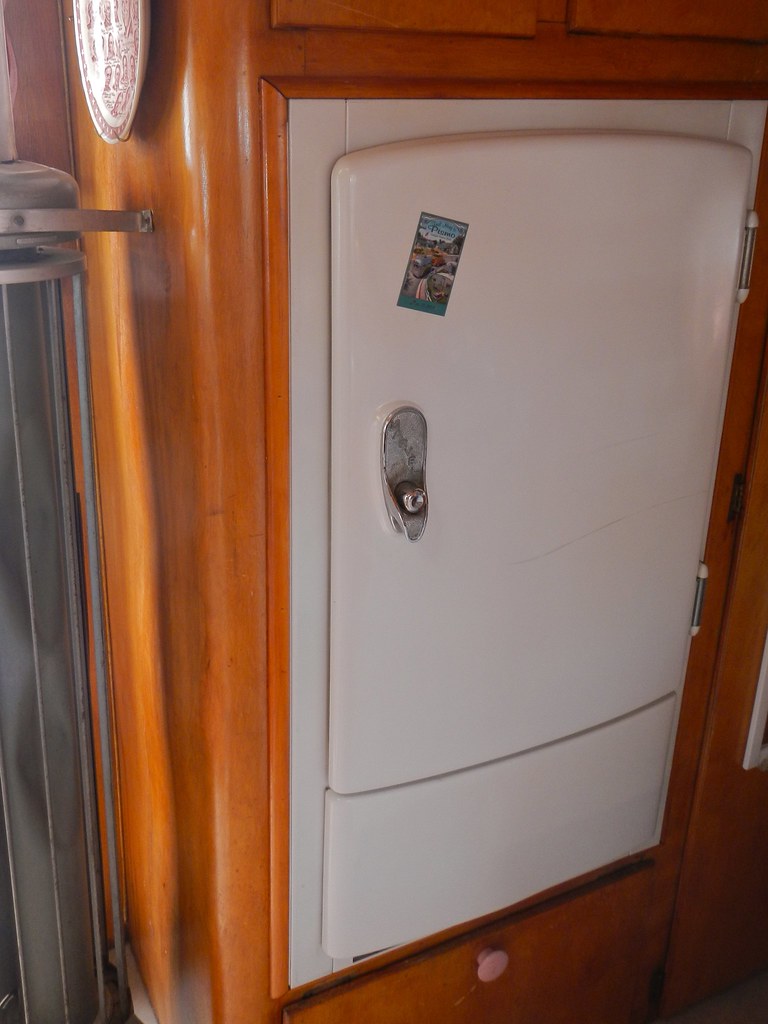
The cooling unit is the sealed ammonia circuit sitting behind and under the fridge cabinet. It is the part most likely to fail on an older absorption fridge, and the part at the center of the Norcold recall history.
Parts cost depends on whether you go remanufactured or new, and whether you need an exact OEM replacement or a compatible aftermarket unit:
| Source | Unit Type | Part Cost |
|---|---|---|
| Remanufactured Norcold (N-series) | Rebuilt OEM | $635 |
| New Norcold (Amish-built) | Brand new | $810 |
| New Dometic / Nordic (RM-series) | Brand new | $1,580–$2,300 |
| Compressor conversion kit (Norcold 1200 series) | 12V compressor drop-in | $1,290–$1,535 |
Labor adds 3–5 hours at $125–$200/hr, putting total installed cost at $1,000–$2,200 for most cooling unit jobs. For a large Dometic unit with an expensive Nordic cooling unit, the installed price can reach $2,800.
The math worth running: if a new like-for-like fridge costs $1,400 and a cooling unit rebuild costs $1,200, the price gap may not justify the rebuild, especially if the controls, door seals, or interior shelving are already worn. Most experienced RV techs apply a rough rule: if the fridge is under 8–10 years old and the cabinet is in good shape, rebuild the cooling unit. Over 10 years or with other problems compounding, replace the whole unit.
Full replacement cost by fridge type
Professional installation adds $200–$800 for a simple swap (1–3 hours) and $750–$1,500 for a complex job (4–10 hours). Here is what the total looks like across the main replacement paths:
| Fridge Type | Unit Cost | Installed Total |
|---|---|---|
| Absorption, 2-way (6–8 cu ft) | $800–$1,800 | $1,200–$2,500 |
| Absorption, 3-way (10–12 cu ft) | $1,400–$2,500 | $1,800–$3,200 |
| 12V compressor (portable / under 45L) | $600–$1,200 | $700–$1,500 (often DIY-simple) |
| 12V compressor (full-size, 8–12 cu ft) | $1,000–$2,500 | $1,400–$3,200 |
| Residential (18–21 cu ft) | $800–$2,000 | $2,000–$4,500 |
The residential fridge numbers run high because of what the install often requires: a carpenter-level cutout modification, a dedicated 120V outlet or inverter wiring, and occasionally removing a kitchen island or a window to get the unit in. Shops quote 6–10 hours for a true residential conversion on a Class A or large fifth wheel.
There’s an operational catch beyond the install bill, too. A residential fridge runs only on 120V AC, no propane, no 12V option, so boondocking means running a generator or a hefty inverter around the clock just to keep the food cold. For a rig that lives on shore power or a campground pedestal most of the time, that’s a non-issue. For anyone who camps off-grid more than they plug in, it’s a real lifestyle tradeoff worth weighing before the conversion, not after.
The Norcold situation in 2026
Norcold’s history with cooling unit fires is long. The CPSC issued its first recall in 2001; NHTSA expanded it in 2010 and 2011, covering most of the 1200/1210/1201/1211 series. The underlying defect is boiler tube corrosion that allows the ammonia refrigerant to leak and ignite. Thetford, which owned Norcold, filed for bankruptcy in late 2025, and Province Fiduciary Service was appointed as liquidating trustee in February 2026.
What this means practically: owners of recalled Norcold units should contact Province’s counsel (Brinkman Law Group, PC) to understand recall remedy availability. Parts availability for non-recalled Norcold models is increasingly uncertain as the brand winds down. If you own a Norcold unit and it fails, the path of least resistance in 2026 is replacement rather than repair: either a compatible Dometic absorption unit or a 12V compressor conversion.
Control board repair: the cheapest path
Not every fridge failure is a cooling unit. Control boards fail independently, especially on older Dometic units exposed to moisture or voltage spikes. The board controls the switch between propane and AC operation, monitors temperature, and handles ignition.
An aftermarket or OEM replacement board runs $40–$295 depending on the specific model. Professional replacement at a shop runs $300–$500 total (board plus 1–2 hours of labor). A forum thread from a Forest River owner quoted $485 for parts and labor at a dealer, and several responders confirmed that was in the normal range for their area. If you can match the part number, swapping a board is DIY-capable: unplug, unmount, swap, reconnect.
Control board failure is worth diagnosing before assuming the cooling unit is bad. An absorption fridge that runs on propane but not AC (or vice versa) almost always points to the board or its wiring, not the cooling circuit.
DIY feasibility by repair type
The fridge is one of the more DIY-accessible RV appliance jobs, but the right answer depends on what you are doing:
A like-for-like absorption swap means disconnecting a propane fitting, a 120V cord, and a 12V wire, sliding out the old unit, sliding in the new one, and reconnecting everything. The propane connection is the step that intimidates most owners. Check for leaks by brushing soapy water on the fitting after tightening: no bubbles means no leak. Total time: 2–4 hours for most rigs.
A 12V compressor swap in the same opening is the simplest version of this job. Disconnect the 12V feed and a ground, slide out, slide in. No propane at all.
A cooling unit rebuild requires tilting the fridge out of the cabinet, unbolting the old unit from the back, installing the new one, and then letting the unit sit completely upright for at least 24 hours before powering on. The ammonia solution must resettle before the circuit will work. Skipping that step or tilting the fridge too soon damages the new unit. It is DIY-capable but unforgiving of shortcuts.
A residential conversion is a full carpentry-and-electrical project. DIY success stories exist, but the install involves cutting and framing a new opening, managing ventilation (residential fridges vent differently than absorption units), and wiring a dedicated 120V outlet or integrating with an inverter. Budget a full weekend and expect surprises.
If you are shopping for what to know about protecting the replacement over time, the RV extended warranty cost guide covers what appliance coverage looks like in practice. The furnace replacement guide and the water heater replacement guide cover the other two systems that typically share the same service call when an RV is in the shop for a major appliance job.
For broader coverage questions, the warranty and insurance overview lays out what extended warranty appliance coverage actually covers and how to file a claim.
How to keep the cost down
Get a diagnostic before authorizing a rebuild or replacement. A shop that charges $100–$200 for a fridge diagnostic can tell you whether the failure is the cooling unit, the control board, or something simpler. You do not want to pay for a cooling unit rebuild and find out the board was the problem.
Price the part separately. Shops often mark up parts 20–40%. Cooling units and control boards are available directly from parts suppliers, and some shops will install owner-supplied parts (though you lose the shop’s parts warranty if they do). Ask the question before assuming they will say no.
Consider the age of the fridge honestly. An absorption fridge with a failed cooling unit at 12 years old, cracked door seals, and a control board that has been intermittently fussy is not a good rebuild candidate. Put that money toward a 12V compressor unit and stop managing the gas line.
If your rig is covered by an extended warranty, call the warranty company before the shop does any work. Coverage for cooling unit failure on an absorption fridge is common on comprehensive plans. Getting prior authorization prevents a dispute after the fact.
What drives the price
| Cost factor | How it moves the price |
|---|---|
| Absorption vs. 12V compressor unit | New absorption fridges (Dometic, Norcold) run $800–$2,500 for the unit itself. New 12V compressor units run $1,000–$2,500. The compressor type costs more upfront but often installs faster in a straight swap because no gas lines are involved. |
| Cooling unit rebuild vs. full replacement | A cooling unit rebuild (just the ammonia-circuit assembly) costs $635–$810 for a remanufactured Norcold unit or $1,600–$2,300 for a new Dometic/Nordic unit, plus 3–5 hours of labor. If the cabinet and door are in good shape, rebuilding the cooling unit is often $400–$800 cheaper than full replacement. |
| Labor hours and installation complexity | A straight swap where the new unit fits the existing cutout runs 1–3 hours at $125–$200/hr. A residential fridge conversion, which may require removing a kitchen island, relocating a 120V outlet, or cutting out a window for clearance, can run 6–10 hours and add $750–$1,500 to the bill. |
| Norcold recall status | Norcold entered bankruptcy liquidation in early 2026 following decades of fire-related recalls on the 1200/1201/1210/1211 series. Recall-eligible units may qualify for replacement remedies through Province Fiduciary Service (the court-appointed trustee), but parts and service availability for Norcold units is now limited. Factor in replacement urgency if you own one. |
| RV size and fridge capacity | A small 6 cubic-foot two-way fridge in a travel trailer costs $600–$1,200 for the unit. A 12-cubic-foot three-way unit for a Class A motorhome costs $1,500–$2,500. Larger units take longer to install and sometimes require two techs. |
| DIY eligibility | A like-for-like absorption fridge swap is DIY-capable for owners comfortable with propane connections and basic wiring. A 12V compressor swap is easier still. A full residential conversion is more complex, but RV-specific YouTube tutorials are thorough and owners do it successfully. DIY saves $300–$1,000+ in labor. |
| Region and shop type | Mobile RV techs charge $125–$175/hr. Dealer service departments charge $150–$225/hr. The same installation that runs $400 in labor in rural Texas runs $800–$1,100 in coastal California or the Pacific Northwest. |
DIY or hire a pro?
- Cost
- $800–$2,500 in parts only
- Time
- Half a day to a full weekend depending on complexity
- Skill
- Intermediate
A like-for-like swap of the same fridge type and size is the most DIY-friendly RV appliance job. Disconnect the old unit (propane line, 120V cord, 12V wire), slide it out, slide the new one in, reconnect. The propane connection is the only step that gives most owners pause, and it amounts to checking for leaks with soapy water after tightening the fitting. A 12V compressor swap is even simpler as there is no gas line at all. Where DIY gets harder is a residential conversion (requires carpentry, outlet relocation, possibly structural changes) or a cooling unit rebuild (the ammonia circuit must be handled carefully and the fridge must sit upright to re-settle the fluid before use).
What you'll need
- Dometic RM2354 3-way absorption fridge (3 cu ft) (affiliate)
- Iceco VL45 ProS 12V compressor fridge (47 qt) (affiliate)
- Camco 10324 gas leak detector spray (for the propane connection check) (affiliate)
As an Amazon Associate, we earn from qualifying purchases.
- Cost
- $1,200–$4,500 depending on fridge type and install complexity
- Time
- 1–2 shop days plus parts lead time (often 1–2 weeks for a specific model)
- Booking
- Call at least two shops; get the install scope in writing
Use a pro when the installation requires structural changes (removing a kitchen island, cutting out a window, relocating a 120V circuit), when you are doing a gas absorption swap and are not comfortable with propane work, or when a cooling unit rebuild is being done. Shops should quote you on parts and labor separately so you can price the part yourself. If a cooling unit rebuild quote is within $300 of a full new unit, take the new unit. Get the work in writing before they pull anything apart.
Will insurance or a warranty cover it?
- An extended warranty or service contract may cover this if the failure is mechanical and the component is listed in your plan.
- This is usually out of pocket. Standard policies treat it as wear and maintenance. A service contract bought before it fails is the main way to shift the risk.
Most RV extended warranties cover mechanical failure of the refrigerator, including the cooling unit and control board. Coverage typically excludes cosmetic damage, food loss, and the cost to upgrade to a different fridge type. If you are swapping a failed absorption unit for a 12V compressor, the warranty will generally pay only the equivalent replacement value of the original unit, leaving you to cover the upgrade difference. Check your contract's appliance-coverage section before authorizing any work.
Coverage depends on your policy and the cause of damage. Confirm specifics with your provider.